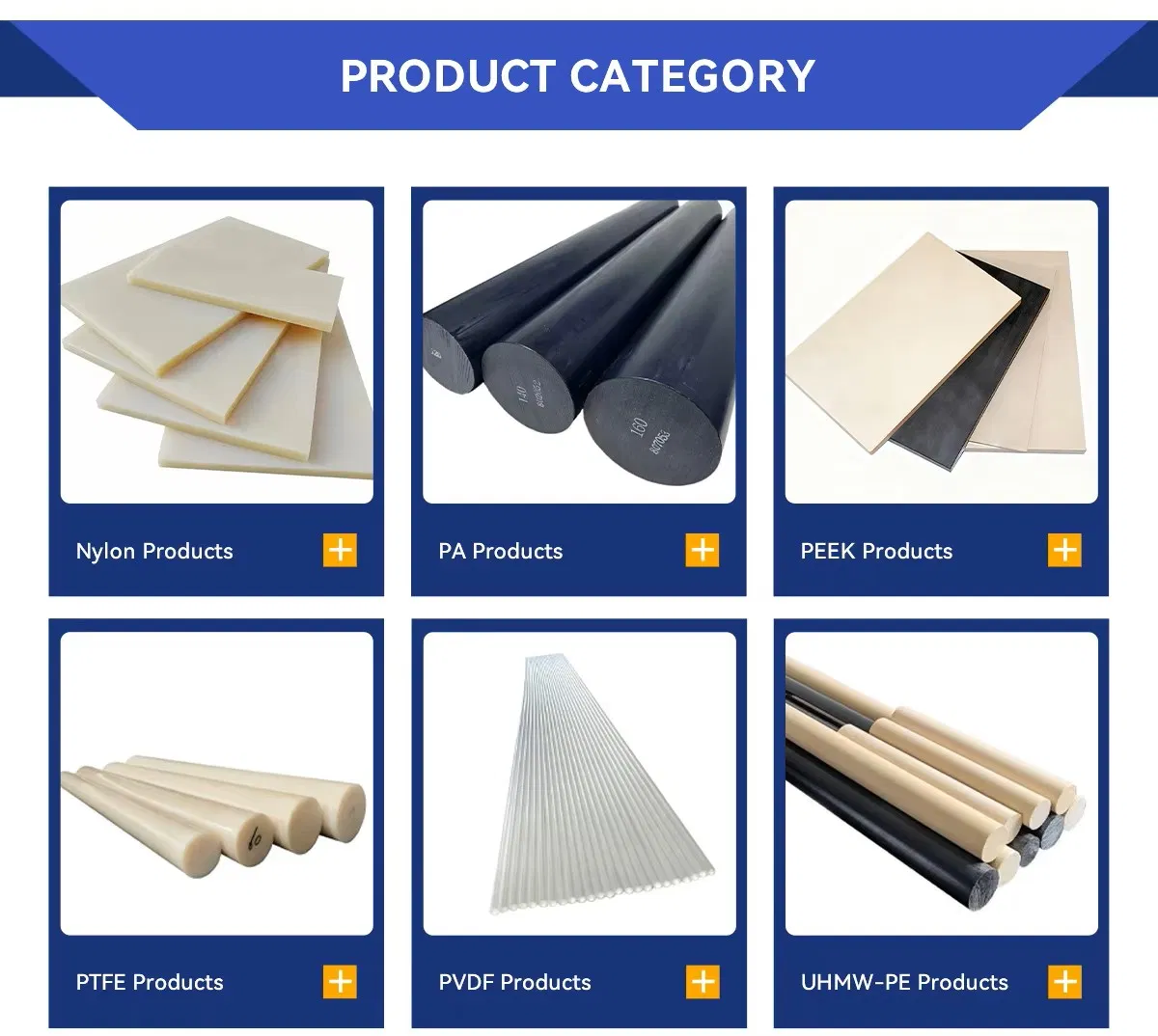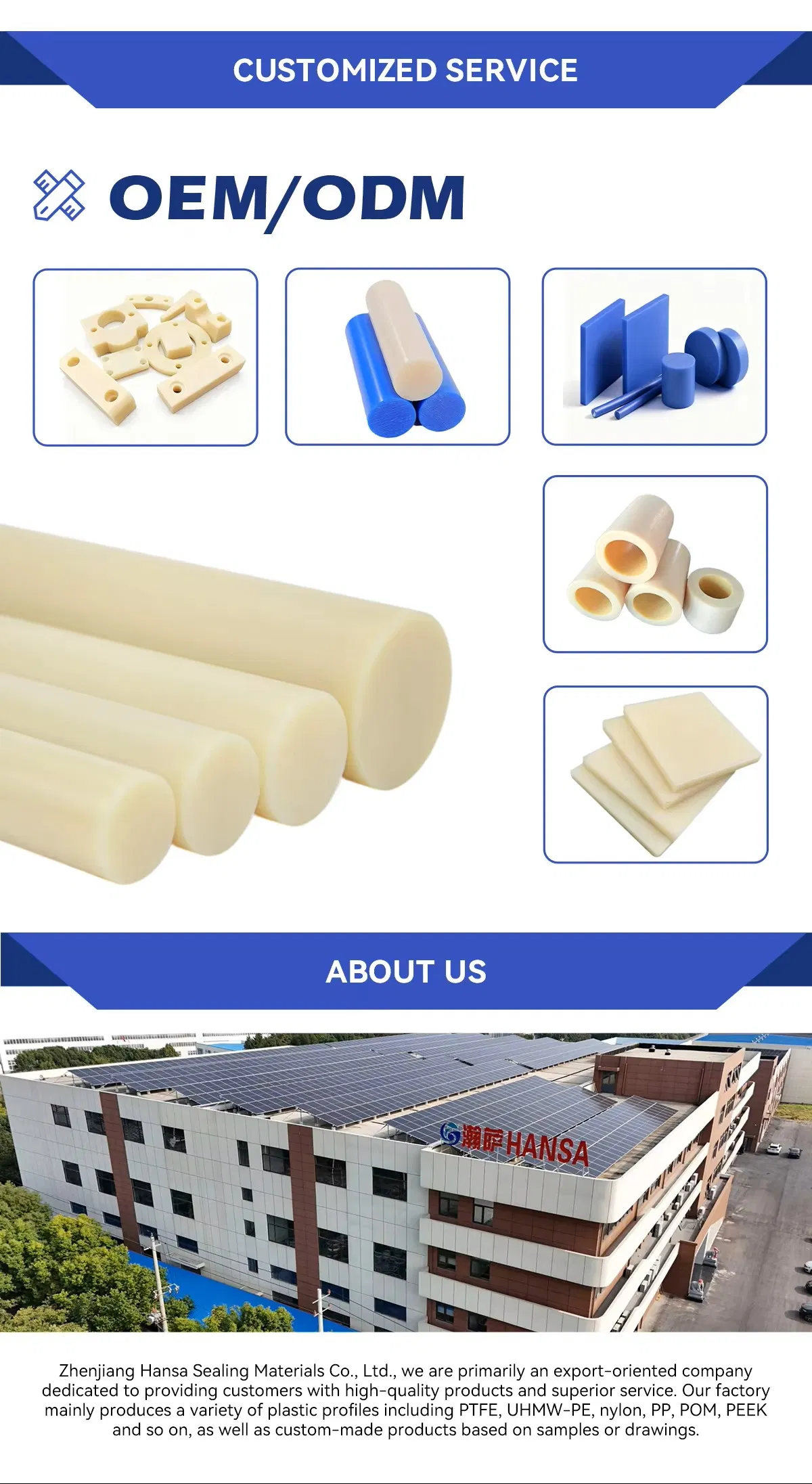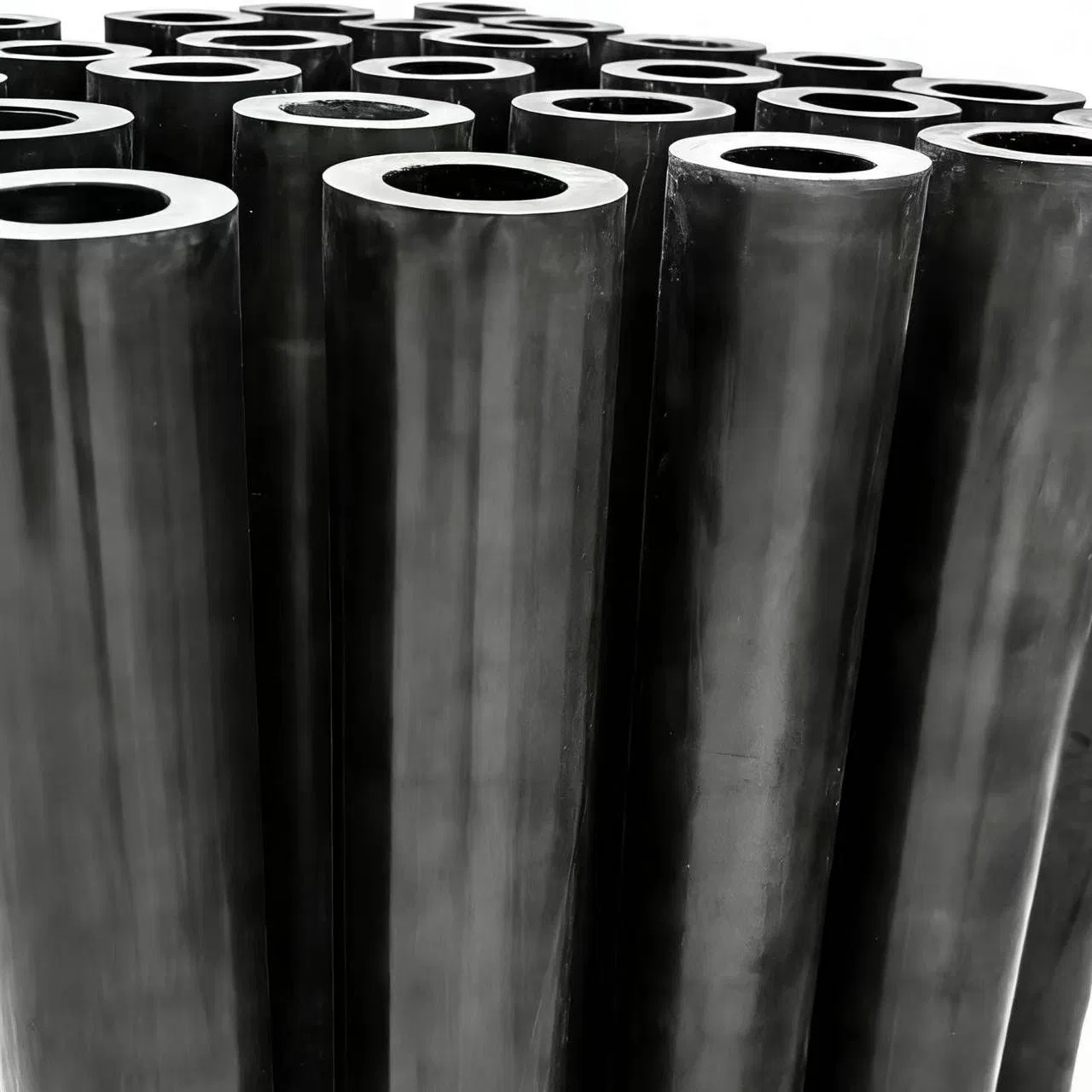
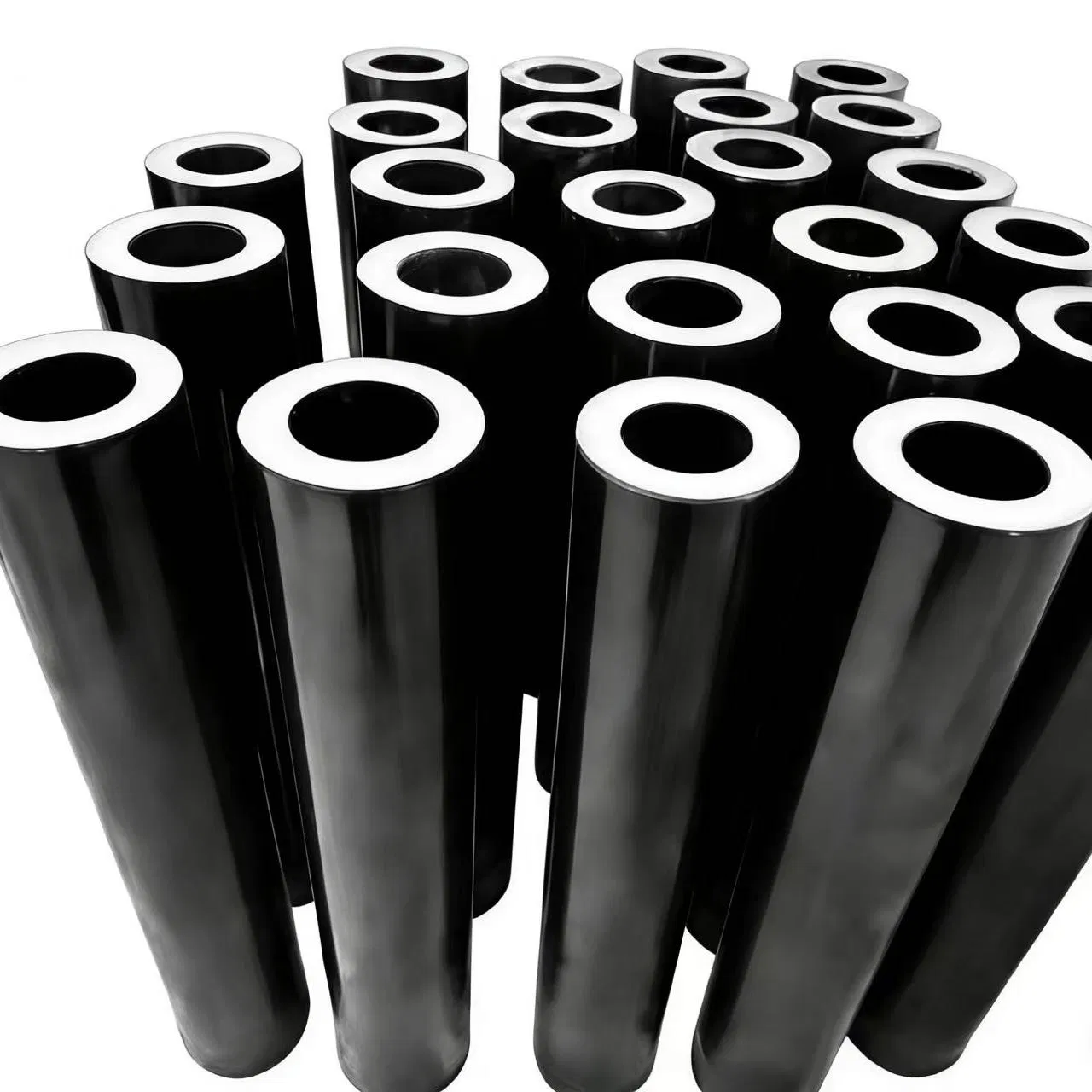
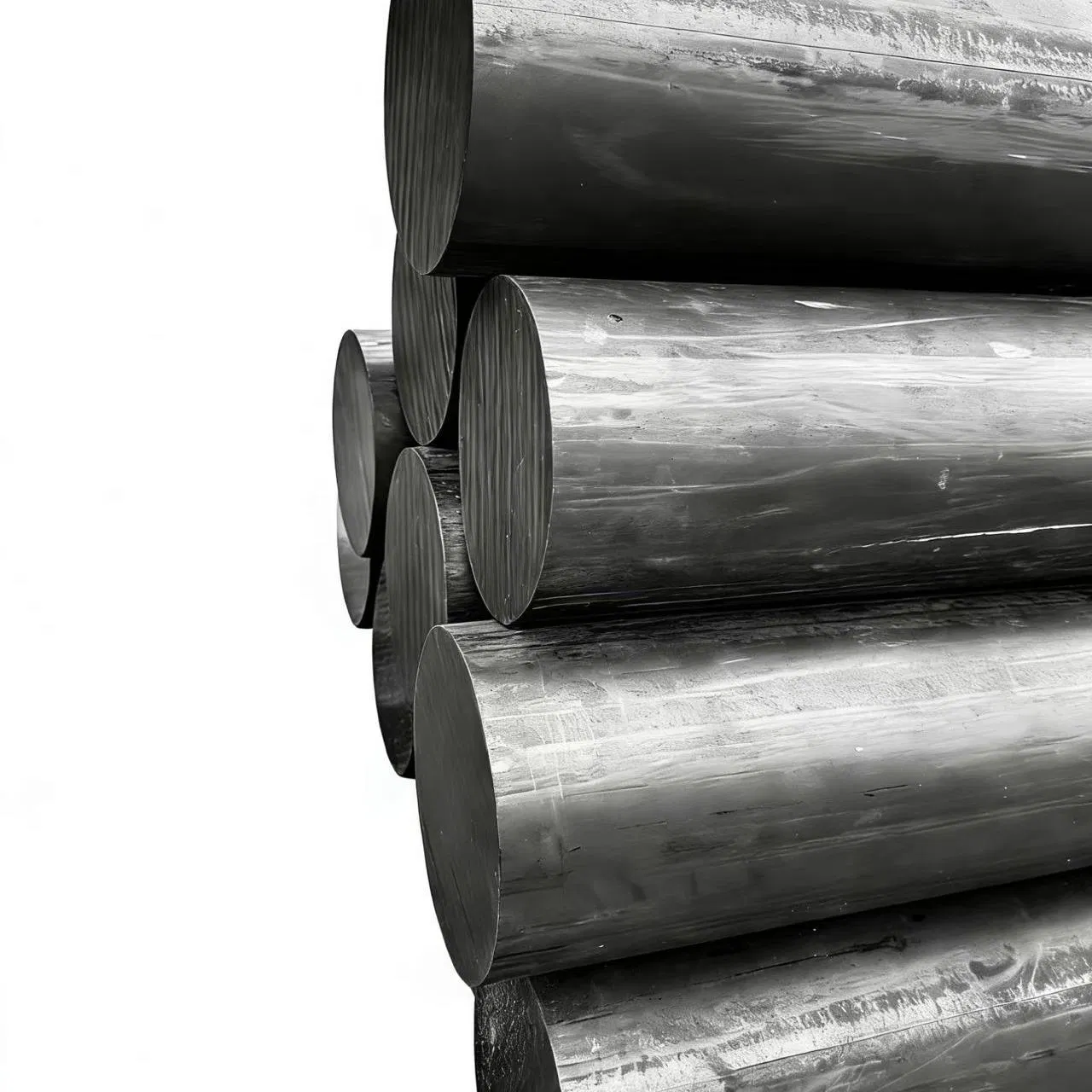
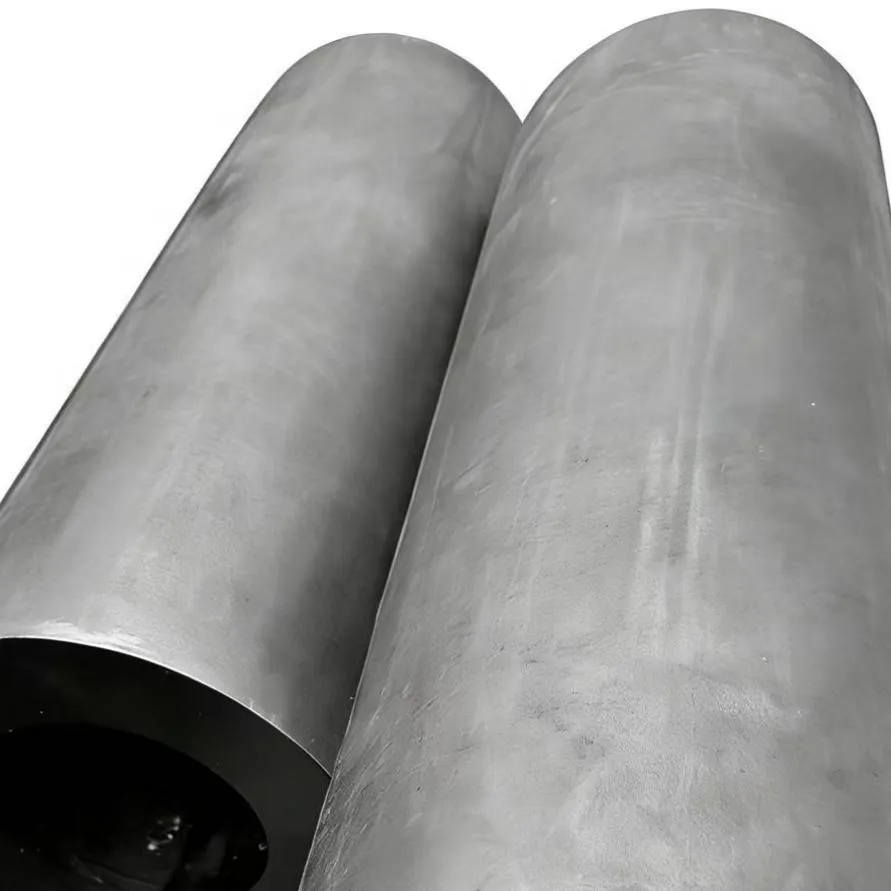


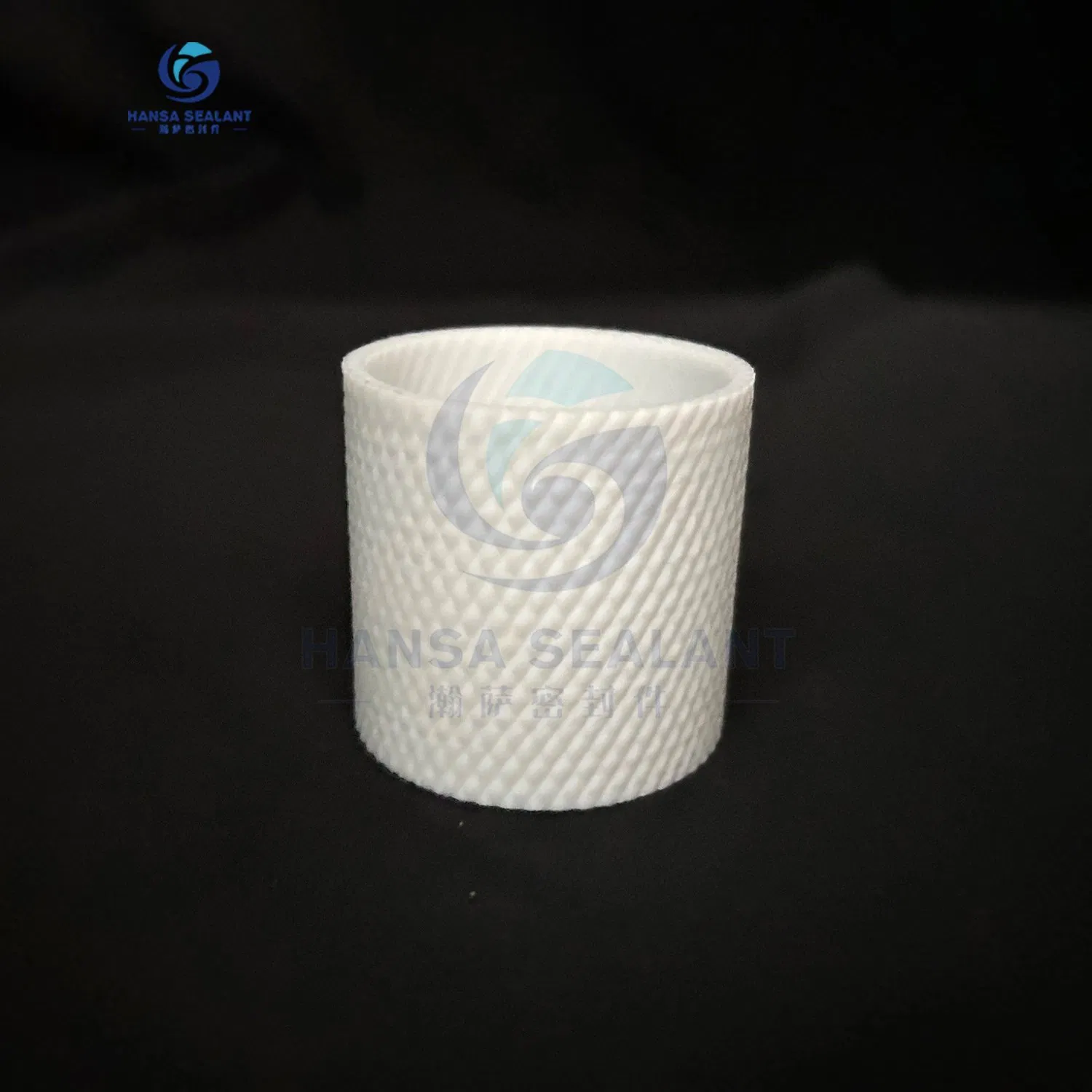
| Model NO. | nylon tube/sheet |
| Material | PA |
| Kind | Nylon |
| Water Absorption | 1.5%-2.5% |
| Contraction Percentage | 0.8%-1.5% |
| Tensile Strength | 60-85MPa |
| Coefficient of Friction | 0.15-0.3 |
| Flexural Strength | 90-120MPa |
| Heat Deflection Temperature | 150-180℃ |
| Rockwell Hardness | R110-R120 |
| Transport Package | Wooden Box |
| Specification | custonizable |
| Trademark | Hansa |
| Origin | Jiangsu China |

ltem
Necessary Properties
Suggested PTFE Variety
Gasket
Creep Resistance,Chemical Resistance
1,2,3,5
Valve Seals
Creep Resistance,Chemical Resistance,Low Friction
1,2,3,5
Packing
Creep Resistance,Chemical Resistance,Low Friction,Low Wear,Stiffness
1,3,5,7
Bearings
Low Wear,Low Friction,Creep Resistance
1,4,5.6
Bearing Pads
Creep Resistance,Low Friction,Resistance To Weathering
3
Piston Rings
Creep Resistance,Low Friction,Chemical Resistance,Stiffness
1,2,3,5
NO.
Filled Compound And Content By Wt
Tensile Strength Mpa min
Ultimate Strength %min
Compression
Strength Mpa Min
1
20% Glass Fiber
10
120
16
2
25% Glass Fiber
10
100
16
3
20%Glass Fiber 5%Graphite
10
120
16
4
60%Bronze
10
80
20
5
15%Carbon Fiber
11
130
16
6
24%Bronze12%Glass Fiber
6%Carbon
9
100
16
7
15%Glass Fiber 10% Polyimide5%Graphite
10
120
16.7
Material Introduction
Nylon, a key synthetic polyamide (PA), is celebrated for its versatility and has become a staple in modern industries. Developed by DuPont scientists led by Wallace Carothers, it debuted in 1938 as nylon stockings—over 4 million pairs sold on day one. WWII shifted its use to parachutes and aircraft parts, proving its adaptability
Its standout properties drive its popularity. It has high tensile strength, resisting stretching even when wet, ideal for ropes. It's durable and abrasion-resistant, outperforming natural fibers for backpacks or carpets. Flexible and elastic, it retains shape, suiting clothing. It resists chemicals, oils, and solvents, works in fuel lines. It dries fast, great for sportswear, and handles moderate heat, useful for electrical insulation
Applications span industries. In textiles: sportswear, swimwear, lingerie—lightweight and stretchy. Automotive: fuel lines, airbags, seat covers—tough for harsh conditions. Industrial: gears, bearings—low friction cuts machinery wear. Consumer goods: luggage, tents, toothbrush bristles—tough for daily use. Medical: surgical sutures—biocompatible and strong
Environmentally, nylon uses petroleum, a non-renewable resource, and makes microplastics. But solutions exist: recycled nylon from fishing nets or bottles cuts virgin use. Brands adopt it, and tech reduces production energy and emissions, boosting sustainability
In short, nylon's strength, durability, and flexibility keep it vital. With sustainable innovations, it stays relevant, serving diverse needs while easing environmental impact.