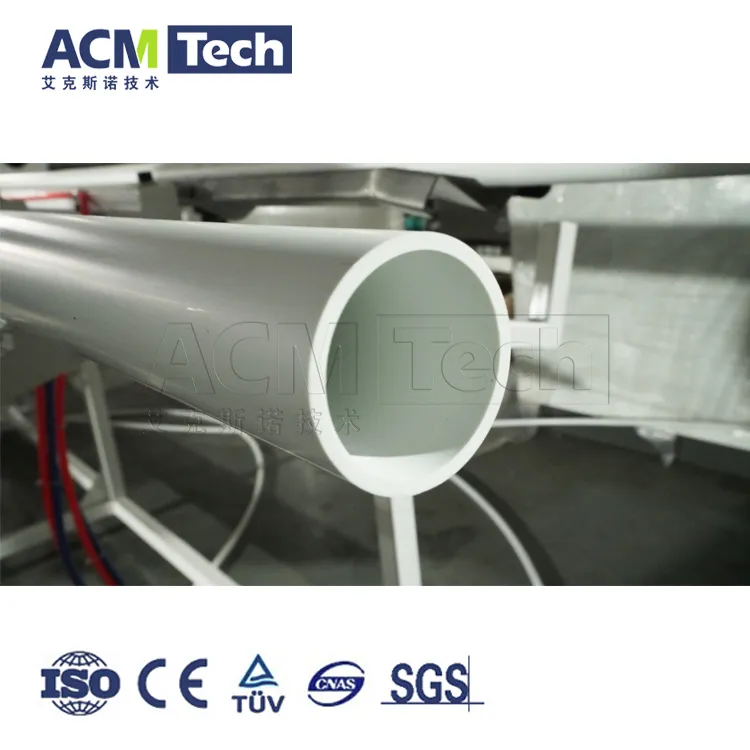

PVC (Polyvinyl Chloride) pipes are widely used in plumbing applications due to their durability, affordability, and resistance to corrosion. However, like any other material, PVC pipes have specific properties that make them suitable or unsuitable for certain conditions. Here's a detailed overview of PVC pipes, including their freezing characteristics and other relevant aspects.
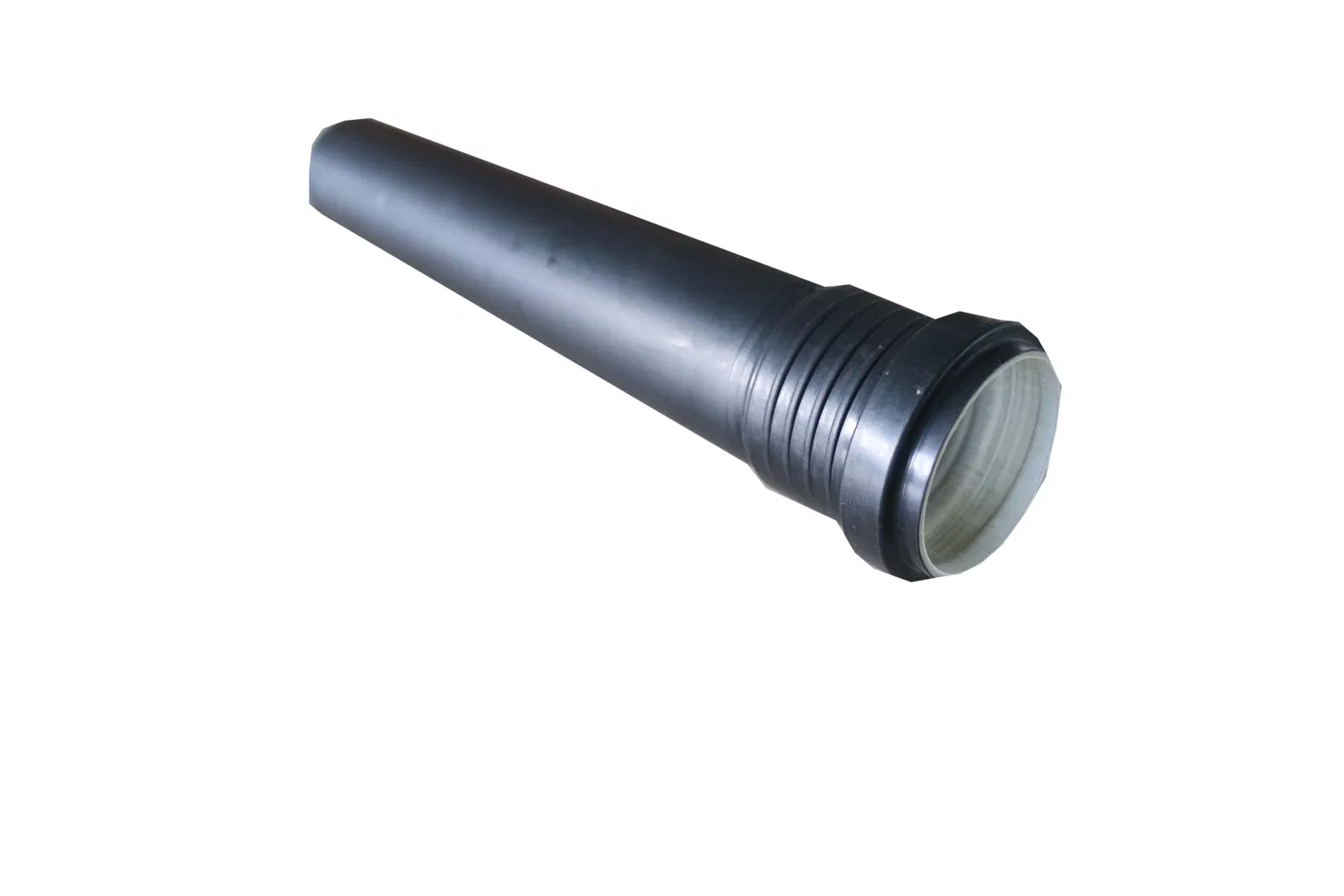
- Polymer: PVC is a thermoplastic polymer made from vinyl chloride monomers.
- Additives: Often contains stabilizers, plasticizers, and colorants to improve performance and appearance.
- Flexibility: PVC is flexible, which allows it to withstand minor movements without cracking.
- Durability: Resistant to a wide range of chemicals and biological attacks, making it suitable for various environments.
- Insulation: PVC has low thermal conductivity, which results in relatively poor heat transfer performance.
- Freezing Point: PVC pipes do not completely freeze solid at standard freezing temperatures (0°C or 32°F), but they can expand when water within the pipe freezes.
- Expansion: Water expands by approximately 9% upon freezing, which can cause PVC pipes to bulge or even rupture if not properly installed or insulated.
- Proper Installation: Ensure proper slope to allow for drainage and prevent water accumulation.
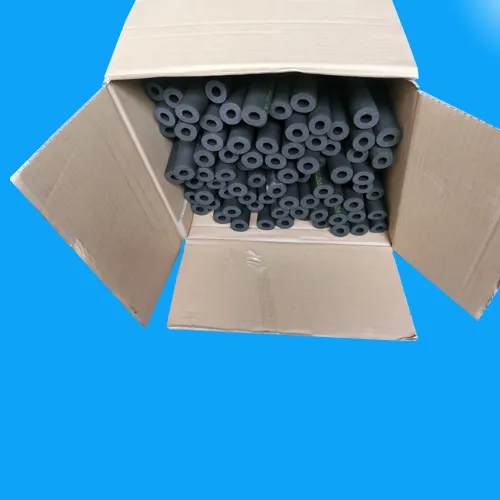
- Insulation: Use foam pipe insulation around the exterior of the pipes to maintain a consistent temperature.
- Antifreeze Additives: In some cases, using antifreeze additives in the system can help to reduce expansion-related problems.
- Water Supply Lines: Commonly used for cold and hot water supply lines in residential settings.
- Wastewater Systems: Suitable for drains, vents, and waste disposal systems.
- Chemical Processing: Resistant to many chemicals, making it ideal for industrial piping in chemical plants.
- Food and Beverage Industry: Safe for use in food processing and beverage production due to its non-toxic properties.
- Diameter Range: Typically available in sizes ranging from 1/2 inch to 6 inches.
- Wall Thickness: Varies based on diameter and required pressure rating.
- Schedule 40: A common schedule used for residential and light commercial applications.
- Schedule 80: Higher pressure rating suitable for more demanding industrial applications.
- Cutting Tools: Use a fine-toothed saw or a score-and-break method to cleanly cut PVC pipes.
- Joining Methods: Primarily uses solvent cementing or mechanical fittings for joining sections together.
- Correct SizingEnsure that all pipes and fittings are compatible.
- Solvent-based Cement: Apply solvent cement to the ends of the pipes before joining them.
- Visual Inspection: Regularly inspect for signs of wear, cracks, or bulging.
- Leak Testing: Periodically check for leaks, especially after extreme weather changes.
- Debris Removal: Maintain a clean interior to prevent blockages.
- Protective CoatingsApply protective coatings to external surfaces to prevent damage from UV radiation or physical impacts.
- Blockages: Clear blockages using appropriate tools and methods.
- Leak Repairs: Address leaks promptly using pipe clamps, patches, or replacing damaged sections.
PVC pipes are versatile and reliable options for plumbing applications, particularly in areas where freezing temperatures are a concern. By following best practices for installation, maintenance, and protection, you can ensure the longevity and efficiency of your PVC piping system. For further information or specific technical inquiries, consult industry standards and guidelines provided by organizations such as ASTM International (American Society for Testing and Materials).