


Creating a rocket using PVC pipe is a fun and educational project that allows you to understand basic principles of aerodynamics and propulsion. Here's a step-by-step guide to help you build your own PVC rocket:
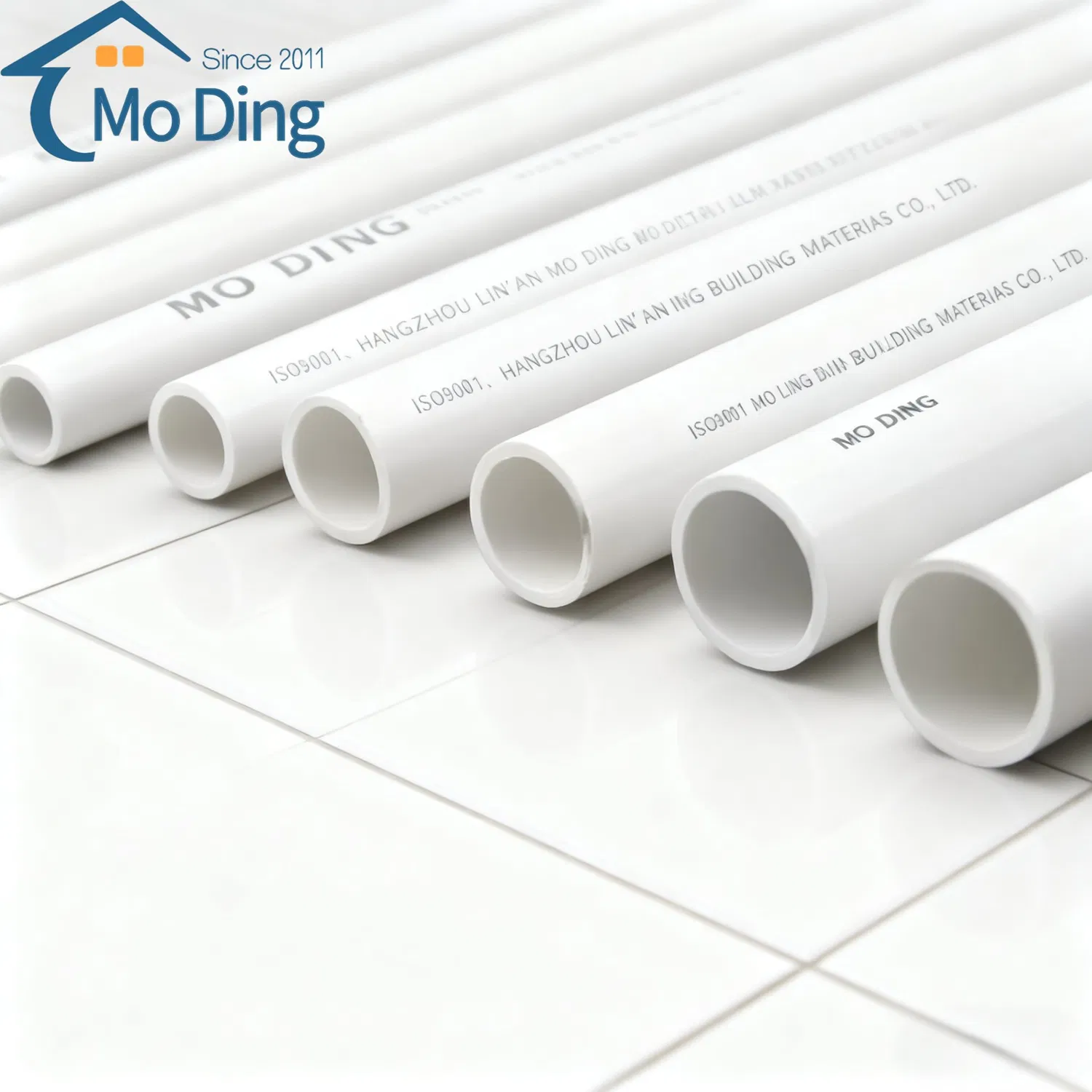
- PVC Pipe: Various sizes (e.g., 2-inch diameter for the body, 4-inch diameter for the base)
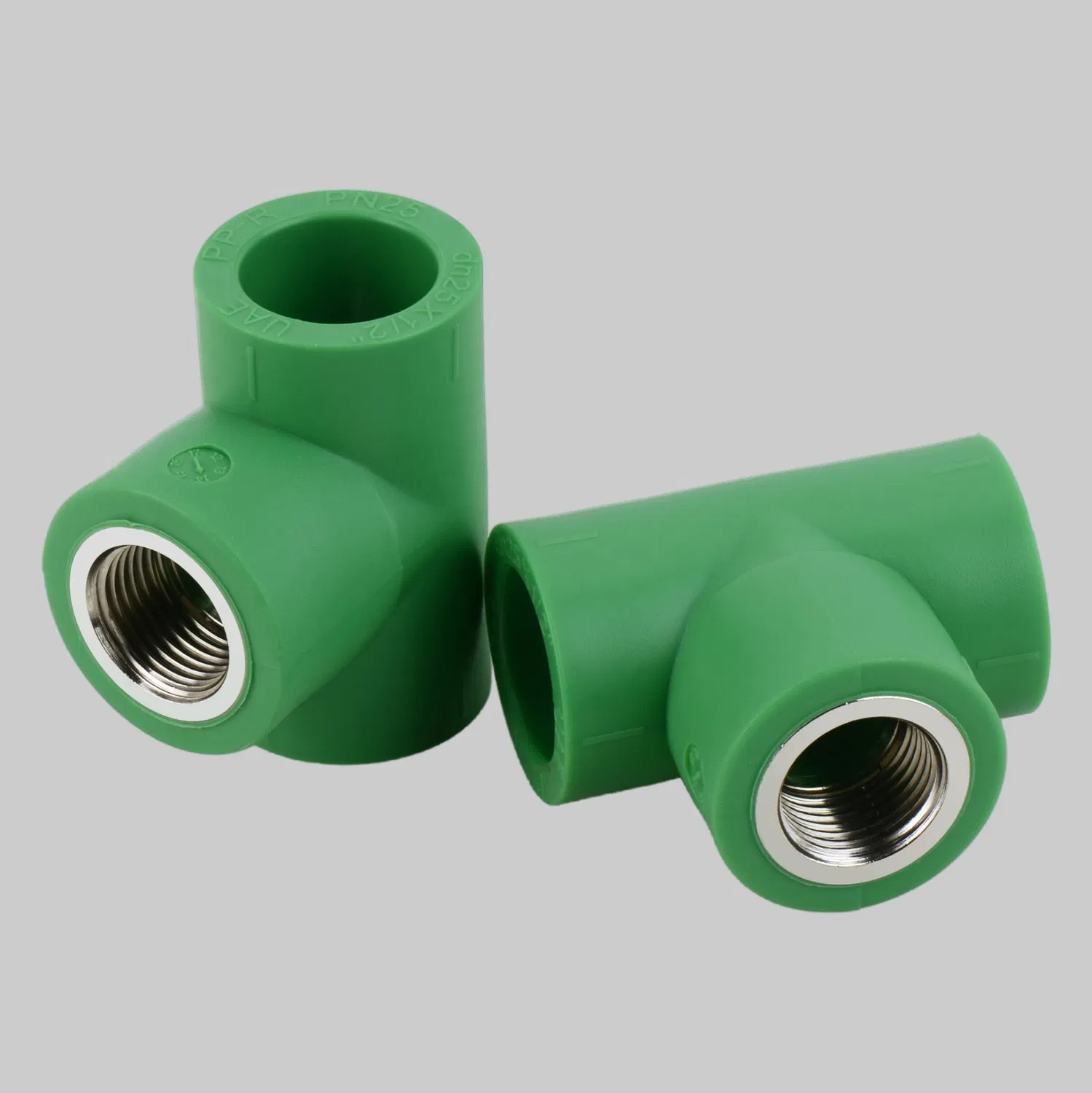
- PVC Fittings: Elbows, tees, caps, and connectors
- Spray Bottle: For water or air-based propellants
- Rubber Bands or Clamps: To secure components
- Hot Glue Gun: For added reinforcement (optional)
- Screwdriver: For assembly
- Masking Tape: For reinforcing joints (optional)
- Marker/Pencil: For marking cut lines
- Safety Goggles and Gloves: For protection
- Body: The main body of the rocket should be long enough to accommodate the propellant. A suitable length is approximately 60 cm.
- Nosecone: This can be made from a smaller piece of PVC pipe.
- base: The base will act as the mounting platform and can be connected to the main body using an elbow fitting.
- Use a marker or pencil to mark the required lengths for each component of the rocket.
- Use a PVC cutter or a hacksaw to cut the pipes to the desired length. Ensure all cuts are smooth and clean to prevent leaks.
- Begin by assembling the largest pieces together using PVC adhesive or clamps.
- Assemble the body sections to create the main structure of the rocket.
- Use rubber bands or masking tape to reinforce any joints that may not be fully bonded.
- Attach the nose cone to the front end of the rocket body using an elbow joint.
- Ensure it is securely fastened to prevent it from detaching during flight.
- Connect the base section to the bottom of the rocket body using a tee fitting and some elbows for stability.
- Ensure the substrate is level and stable on the prepared surface.
- Water Rocket: You can use a spray bottle filled with water as the propellant.
- Air Rocket: Alternatively, you can fill the interior with compressed air. Exercise caution when using pressurized air; always follow safety guidelines and wear appropriate protective gear.
- Before installation, ensure all connections are properly tightened and secured.
- Test the rocket by filling it with water and gently shaking it to check for leaks.
- Make any necessary adjustments to enhance stability and performance.
- Always work in a safe, well-ventilated area away from people, animals, and structures.
- Ensure the launch site is free of debris and obstructions.
- Securely anchor the base of the rocket to a stable surface using sandbags or weights.
- After each test flight, inspect the rocket for any signs of damage or deterioration.
- Clean and dry the rocket completely before storing it.
- Keep all tools and materials organized and stored safely to ensure preparedness for future projects.
By following these steps, you will have a functional PVC rocket ready for testing and launching! Enjoy your experimentation and learning process!