

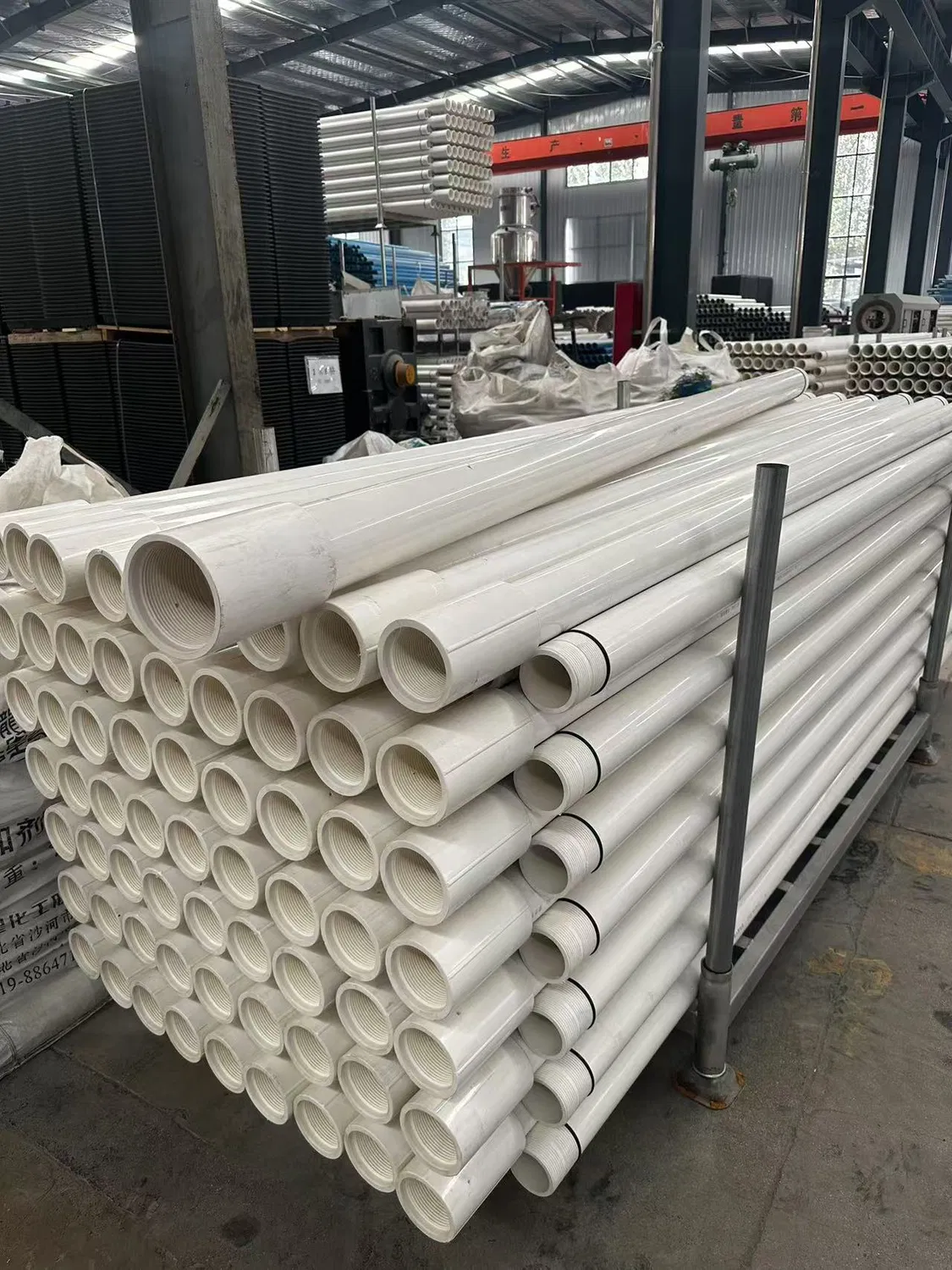
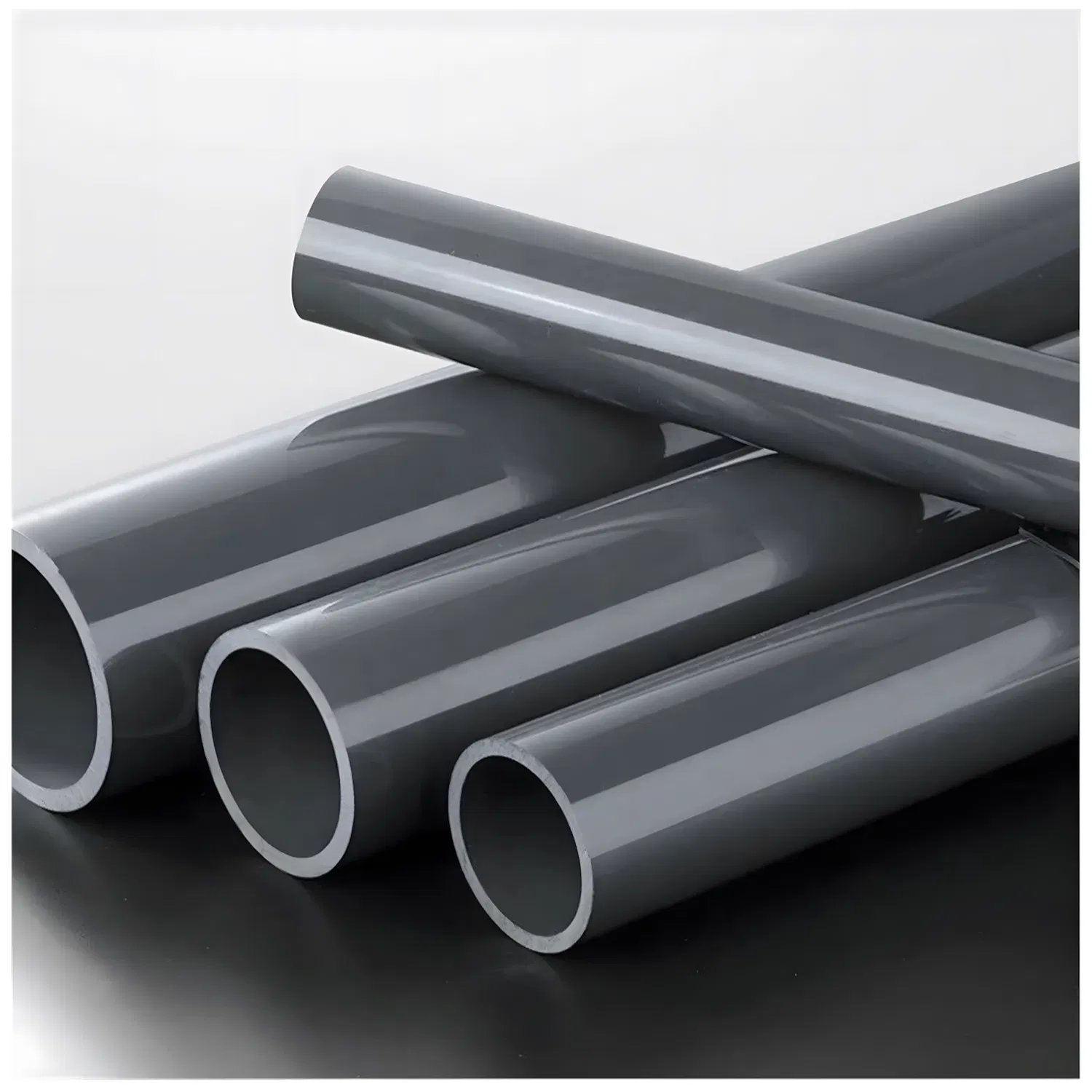
PVC (Polyvinyl Chloride) pipes are available in various thicknesses, which are typically measured by diameter and wall thickness. The wall thickness of PVC pipes is usually expressed in millimeters (mm). Here's a general guide to understanding the different types of PVC pipe thicknesses:
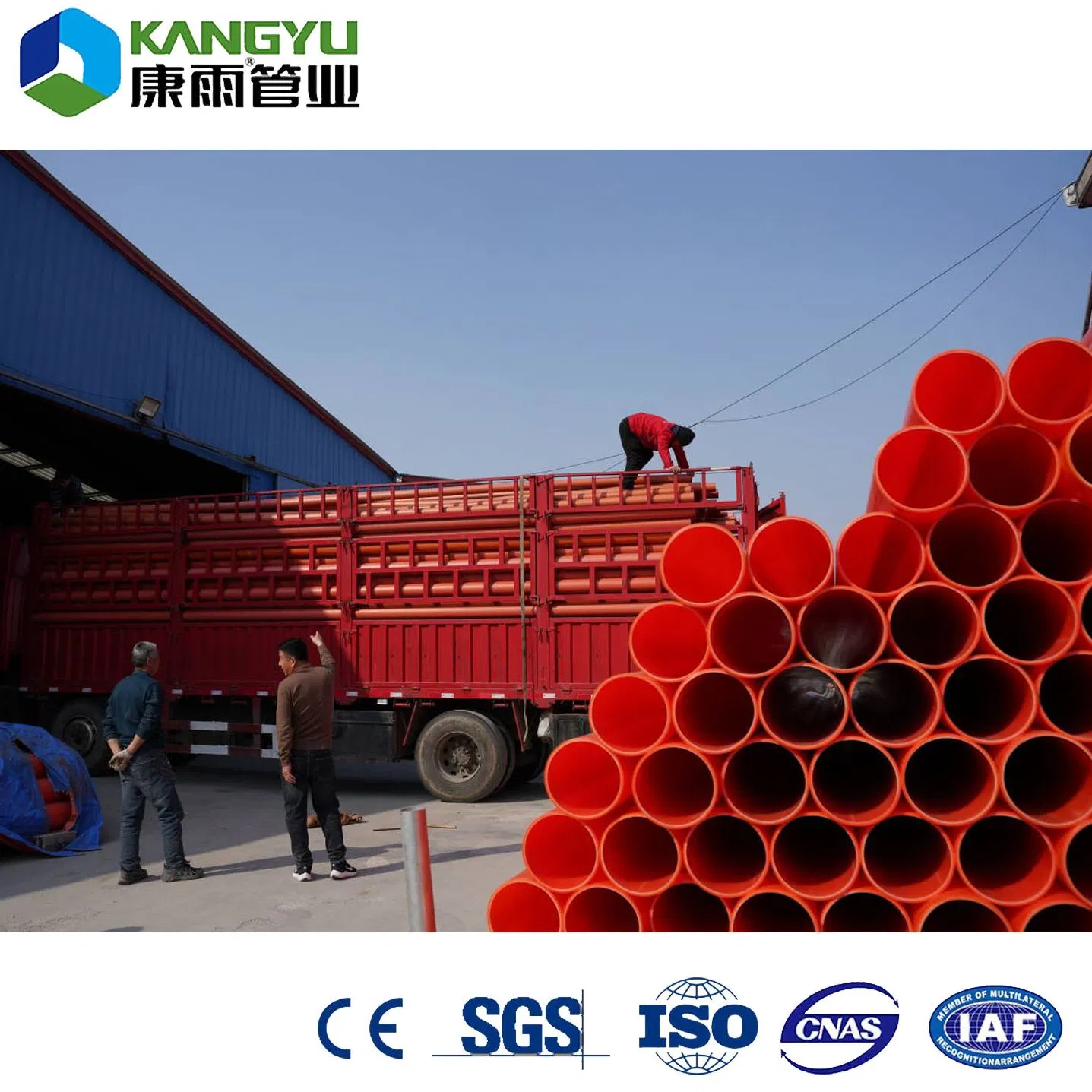
Schedule 40
- Standard Wall Thickness: 26.5 mm (1.046 inches)
- Thin Wall: 22.2 mm (0.874 inches)
- Extra Thin Wall: 19.05 mm (0.75 inches)
Schedule 80
- Standard Wall Thickness: 31.75 mm (1.25 inches)
- Thin Wall: 26.7 mm (1.05 inches)
- Extra Thin Wall: 22.2 mm (0.874 inches)
Schedule 120
- Standard Wall Thickness: 38.1 mm (1.50 inches)
- Thin Wall: 31.75 mm (1.25 inches)
- Extra Thin Wall: 26.7 mm (1.05 inches)
- Schedule 40: Commonly used for residential plumbing, irrigation systems, and low-pressure industrial applications.
- Schedule 80: Preferred for high-pressure applications such as fire sprinkler systems, water supply lines, and industrial piping.
- Schedule 120: Used for applications requiring very high pressure, such as fire protection systems and specialized industrial uses.
- Cutting: Use a pipe cutter or saw to make clean cuts. Ensure the ends are smooth and free of burrs.
- Adhesion: PVC pipes are joined using solvent cement or mechanical fittings. Solvent cement provides a strong bond but requires proper mixing and application. Mechanical fittings offer easier installation but may not be as durable over time.
- Drainage Considerations: Ensure proper slope for drainage to prevent water accumulation and potential damage.
- Regular Inspections: Conduct regular inspections for signs of deterioration, cracks, or leaks.
- Cleaning: Maintain the interior of the pipes to prevent blockages and ensure efficient flow.
- Avoid Chemical Exposure: Do not use harsh chemicals that could degrade the PVC material.
- ASME B96.1: American Society of Mechanical Engineers standard for schedules 40, 80, and 120 PVC pipe sizes and pressure ratings.
- ASTM D2837: Standard specifications for poly(vinyl chloride) (PVC) pressure pipes and fittings.
By understanding these specifications and best practices, you can effectively select, install, and maintain PVC pipes according to their intended application.