
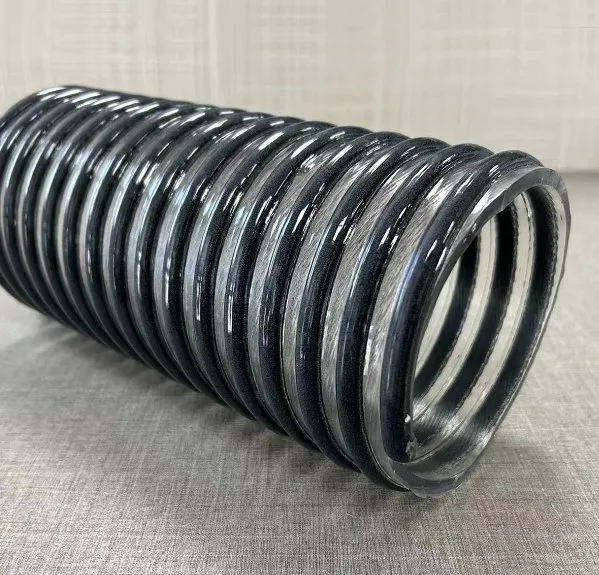
Creating a chicken run using PVC pipe is a practical and cost-effective solution. Here's a step-by-step guide to help you build a durable and functional chicken run:
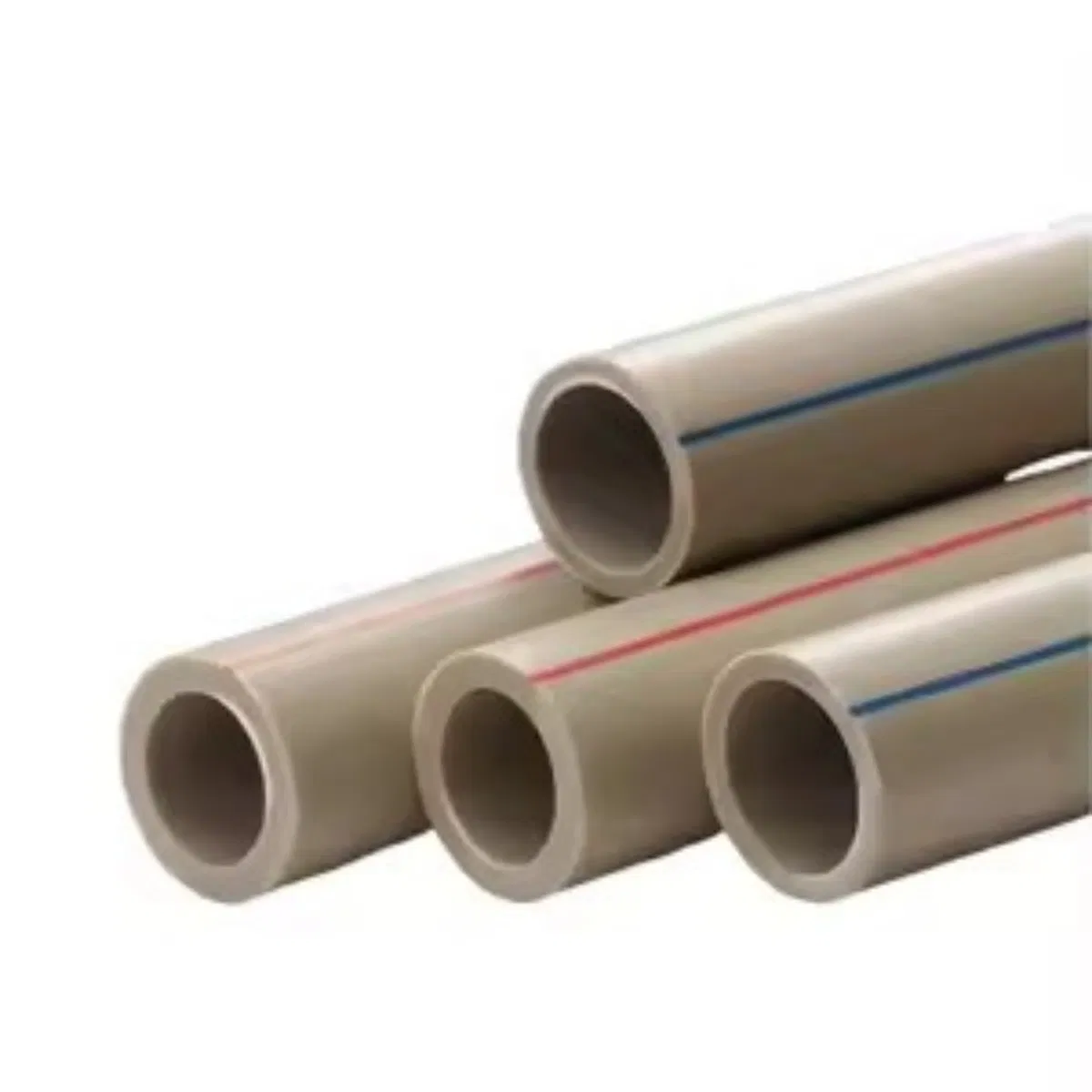
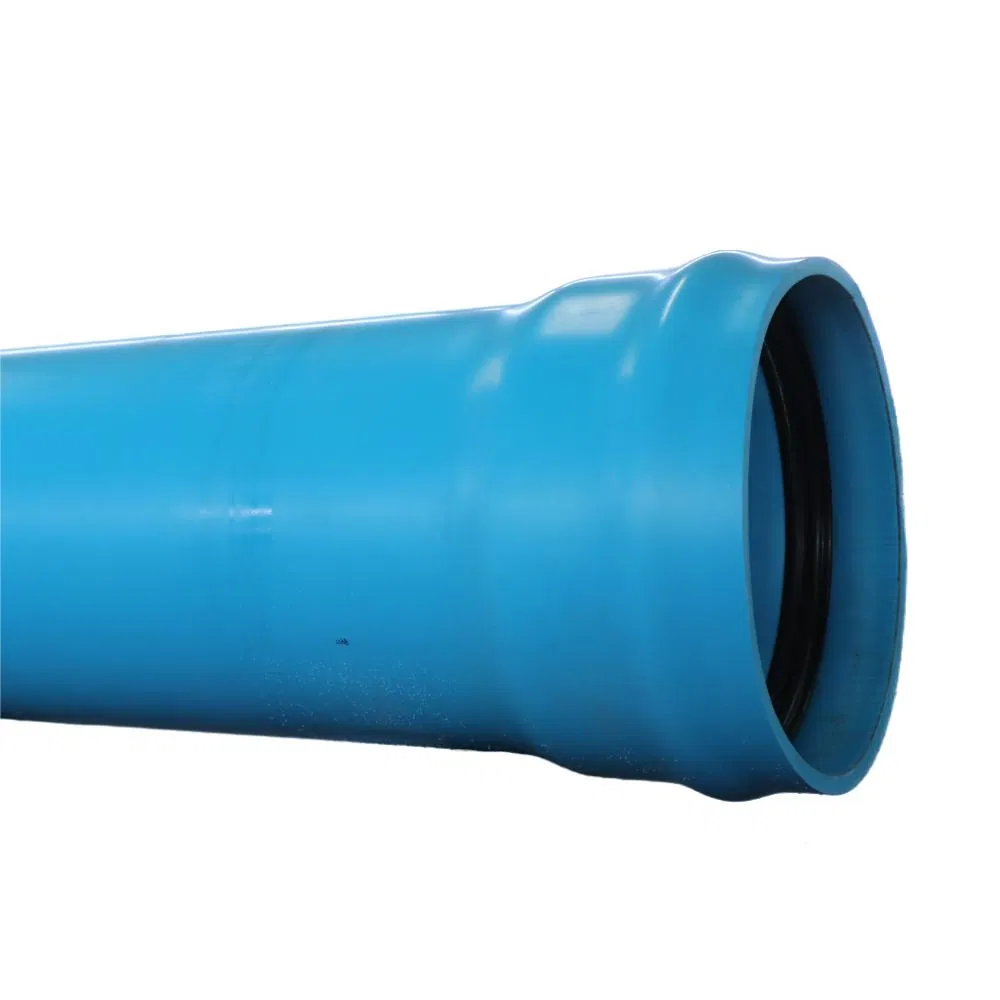
- PVC Pipe: Various sizes depending on your design (e.g., 4" for the main frame, 2" for crossbars).
- PVC Fittings: T-joints, elbows, end caps, etc.
- Screws or Bolts: To secure fixtures.
- Wire Mesh or Chicken Wire: For the enclosure.
- Hacksaw or Saw: For cutting PVC pipes.
- Drill: For creating holes in PVC.
- Measuring Tape: For precise measurements.
- Protective Equipment- Gloves and safety glasses.
- Size: Determine the dimensions of your chicken run based on the number of chickens you intend to house.
- Layout: Draw a layout of the run, including the placement of perches, nesting boxes, feeders, and waterers.
- Use a hacksaw or saw to cut the PVC pipes to the desired lengths. Ensure that all cuts are straight and smooth.
- Main Frame: Begin by connecting the main vertical supports with horizontal crossbars using T-joints and elbows.
- Supports: Add additional support structures as needed to ensure stability.
- AttachmentSecure the wire mesh to the PVC frame using zip ties or staples. Ensure the mesh is taut but not overly tight to prevent stress on the PVC.
- Enclosure: Cover the entire structure with wire mesh, ensuring there are no gaps where chickens could escape.
- Perches: Drill holes in the PVC pipes at the appropriate heights for mounting fixtures.
- Nesting Boxes: Create or purchase nesting boxes and securely attach them to the PVC frame.
- Feeders: Install feeding troughs at a height that is convenient for the chickens.
- Waterers: Install waterers close to the feeding area to ensure easy access for the chickens.
- Cleanliness: Regularly clean the area to prevent disease and maintain hygiene.
- Inspection: Inspect the PVC frame and wire mesh for signs of wear and tear, and promptly repair any damage.
- Ventilation: Ensure adequate ventilation to maintain a dry and comfortable environment for the chickens.
- Free-Range Farming: Allows chickens to move freely while keeping them safe from predators.
- Egg Production: Provides a controlled environment for laying hens.
- Pet Chickens: Provides a secure space for chicken enthusiasts in their backyard.
By following these steps and guidelines, you can construct a durable and effective chicken run using PVC pipe, providing a safe and comfortable living environment for your chickens.