

Creating a dog wheelchair from PVC pipe is a practical and cost-effective project. Below, we will cover the materials you will need, step-by-step instructions, and maintenance tips for your DIY dog wheelchair.

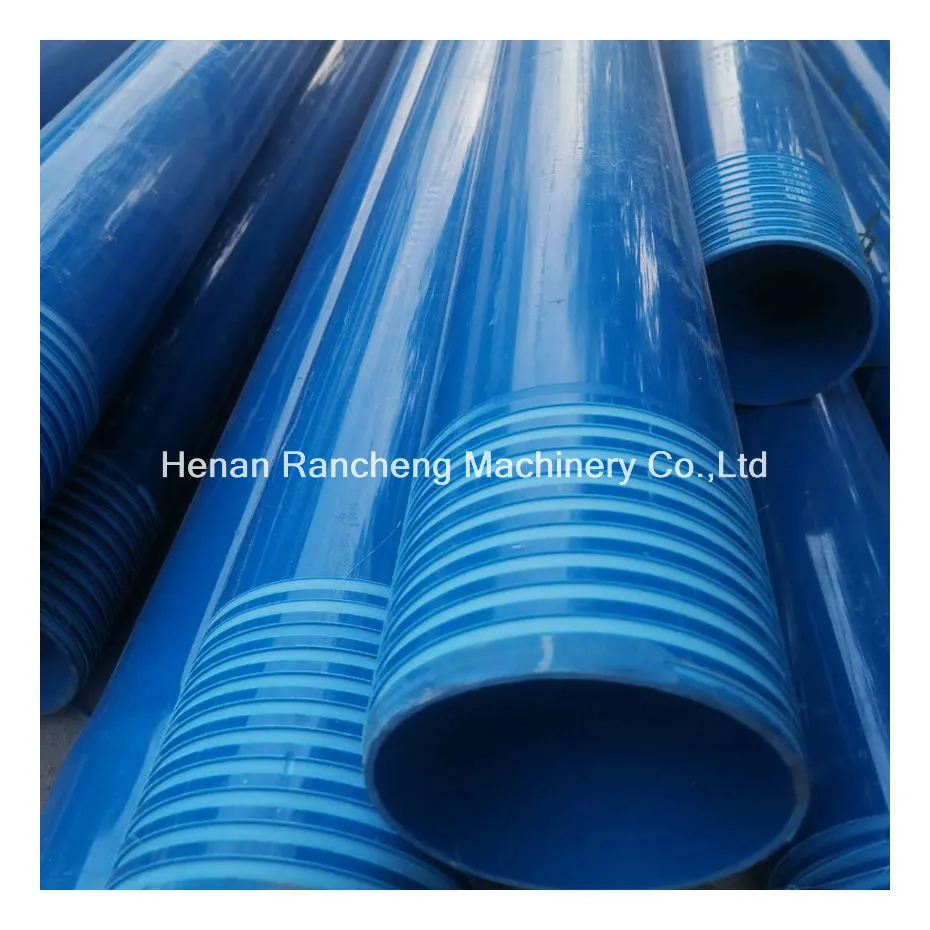
- PVC Pipe: Various sizes depending on your dog's size (typically 2" and 4" diameter pipes).
- PVC Elbows and Tees: For connecting pipes.
- PVC Adhesive: To secure the joints.
- PVC End Caps: To seal the ends of the pipes.
- Brackets or Bracing Bars: To enhance structural integrity.
- Sandpaper: For smoothing edges.
- Drill with Bits: For creating holes in the brackets.
- Electrical Tape or Paint: To prevent rust and provide a more comfortable surface for your dog.
- Screws and Bolts: To attach the wheels and other components.
- Wheels: Suitable for your dog's size (wheelchair wheels can be purchased online or at pet supply stores).
- Leather or Rubber Straps: For securing the wheels to the frame.
- Determine the frame size based on your dog's weight and size. A 2" x 4" frame is typically suitable for many dogs.
- Draw a simple design on paper, indicating the locations for attaching the wheels and the path for the straps around the dog's body.
- Use a hacksaw or PVC cutter to cut the pipes to the desired lengths. Ensure that all cuts are clean and straight.
- Sand the edges to remove any roughness that could potentially scratch your dog.
- Connect the PVC pipes using elbows and tees to form the basic shape of the wheelchair.
- Use PVC adhesive to secure the joints. Allow sufficient drying time according to the manufacturer's instructions.
- For added stability, install bracing bars across the frame where necessary. Drill holes in these bars and secure them to the frame using screws and bolts.
- Attach the wheels to the frame using leather or rubber straps. Drill holes through the brackets and the wheels, then secure everything with screws or bolts.
- Ensure that the wheels are positioned correctly so that they can roll smoothly and evenly.
- Attach leather or rubber straps to the frame, ensuring they are long enough to comfortably fit around your dog's body without being too tight.
- Use buckles or snap closures to securely fasten the straps around your dog's chest and rear.
- Regular InspectionsInspect the wheelchair regularly for any signs of wear and tear, including loose joints, frayed straps, or damaged wheels.
- Cleaning: Wipe down the PVC frame with a damp cloth to keep it clean and free of dirt and debris.
- LubricationApply a small amount of silicone spray to the wheel axles to ensure smooth movement.
- Safety: Always supervise your dog when they are using their wheelchair, especially during initial use, to ensure they are comfortable and safe.
By following these steps, you can create a custom-fitted PVC pipe dog wheelchair tailored to your pet's needs, providing them with mobility support in a durable and cost-effective manner.