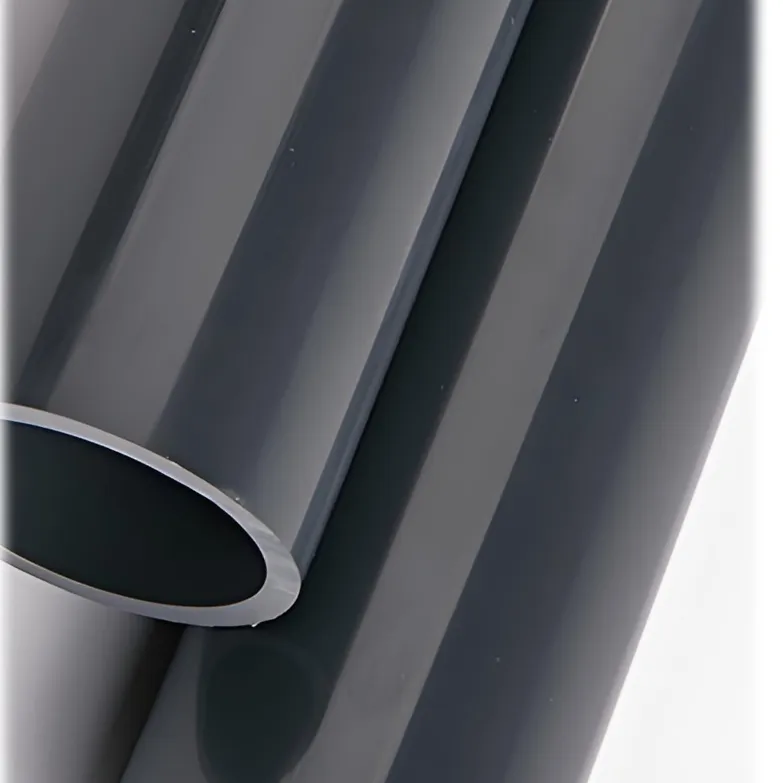
Creating a gazebo using PVC pipe is a cost-effective and durable option, particularly suitable for outdoor environments. Here's a step-by-step guide to help you through the process:
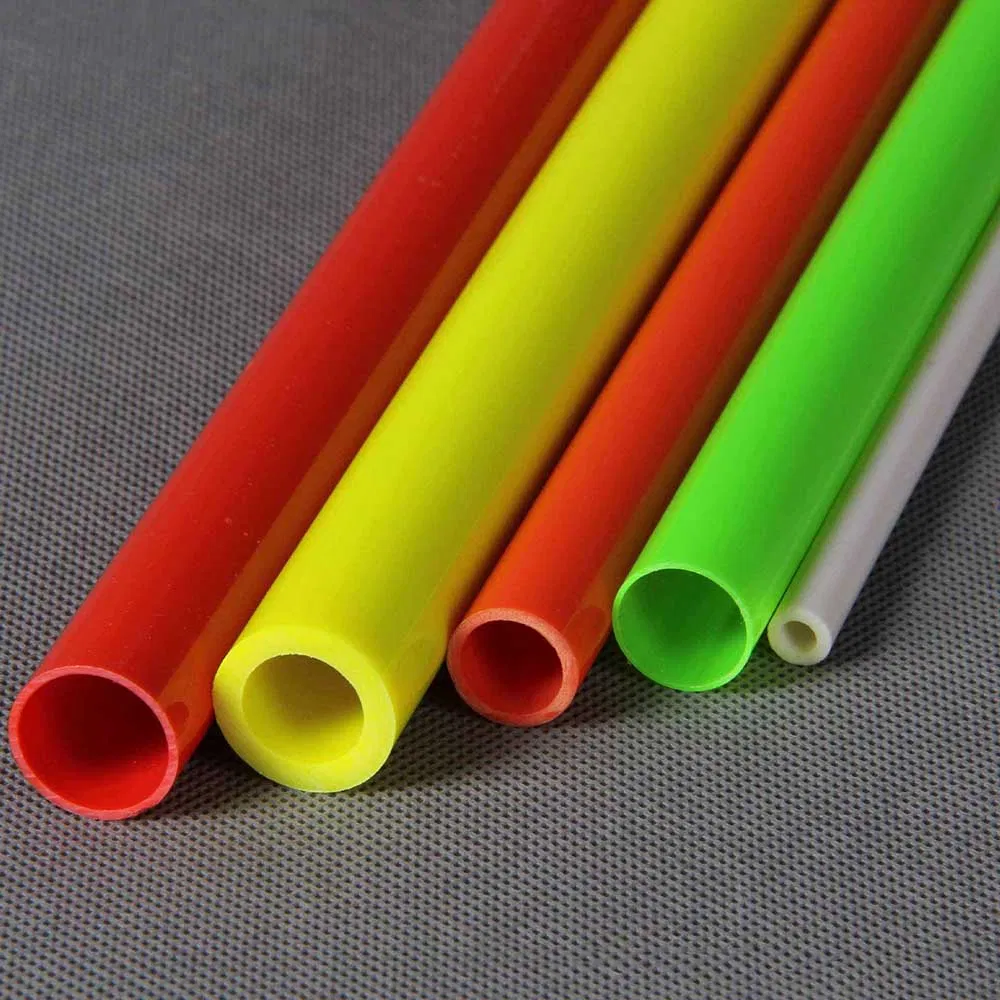
- PVC pipes (1/2 inch or 3/4 inch diameter)
- PVC couplings and elbows
- PVC cement
- Measuring tape
- Hacksaw or PVC pipe cutter
- Drill
- Screws and bolts
- Wooden beams (optional for added stability)
- Stakes and concrete footings
- Roofing material (tarps, canvas, or other durable fabrics)
- Optional: Decorative elements such as paint or roofing shingles
- Measure Your Space: Determine the dimensions of your desired gazebo. Consider the height, width, and length.
- Design the Frame: Sketch out your design, indicating the location of each pipe. For a basic square or rectangular gazebo, use four vertical posts and crossbars to construct the structure.
- Cut the Pipes: Use a hacksaw or PVC pipe cutter to cut the pipes to the desired lengths. Ensure that all cuts are smooth and clean.
- Assemble the Posts: Connect the vertical posts using elbow joints. Ensure they are securely fastened using PVC cement.
- Add Crossbars: Install horizontal crossbars at the top and bottom of the posts. Use PVC T-joints for this purpose.
- Footings: Dig holes around the perimeter of your gazebo site to a depth of approximately 18 inches. Place stakes in the holes and fill them with concrete to create solid foundations. Allow the concrete to fully cure before proceeding.
- Attaching the Frame to the Foundationonce the concrete has set, attach the gazebo frame to the stakes using screws or bolts. Ensure that the frame is level and stable.
- Install Beams: For added stability, you can add wooden beams inside the PVC frame. These should be securely fastened to the PVC posts using screws or bolts.
- Choose Your Roofing Material: Choose a durable roofing material such as a tarp, canvas, or specialized outdoor fabric.
- Attach the RoofingSecure the roofing material to the top of the gazebo frame. You may need to use ropes, zip ties, or additional PVC pipes to hold it in place. Ensure there is some overhang to protect from rainwater.
- Paint or Stain: Optionally, paint or stain the PVC pipes and wooden beams to enhance durability and aesthetic appeal.
- Decorate: Add decorative elements such as curtains, lights, or cushions to enhance the appearance of your gazebo.
- Check for Leaks: Regularly inspect PVC connections and seals to ensure there are no leaks or cracks.
- Clean the Surface: Regularly remove dirt and debris from PVC pipes to prevent accumulation.
- Strengthen Joints: Reapply PVC cement to any joints that show signs of wear or looseness.
By following these steps, you can create a durable and attractive gazebo using PVC pipe. This project not only provides a functional outdoor space but also demonstrates your DIY skills!