
How to Make a Handrail Out of PVC PipeMaterials Needed:
Step-by-Step Guide: 1.Measure and Plan the Layout
Maintenance Best Practices:
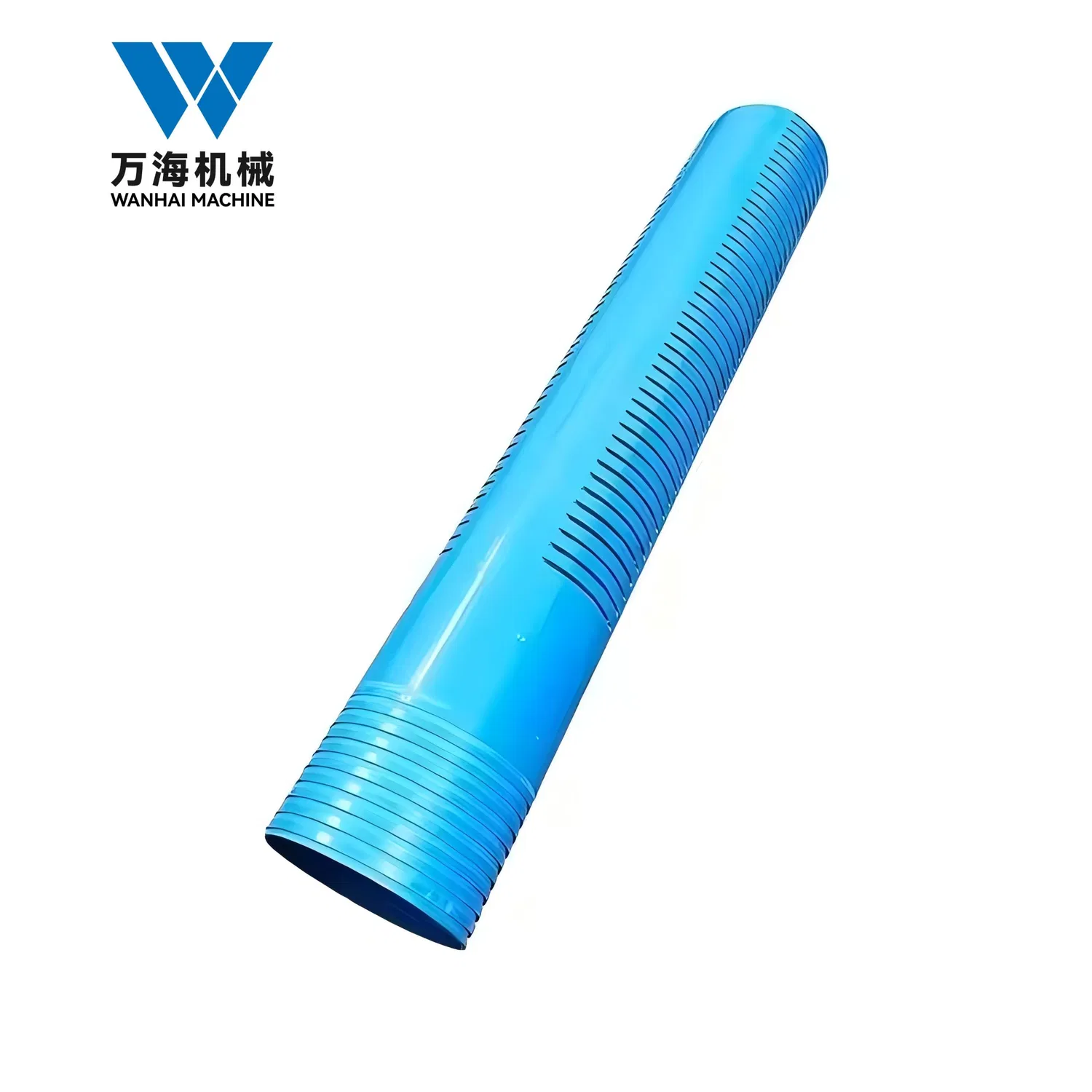
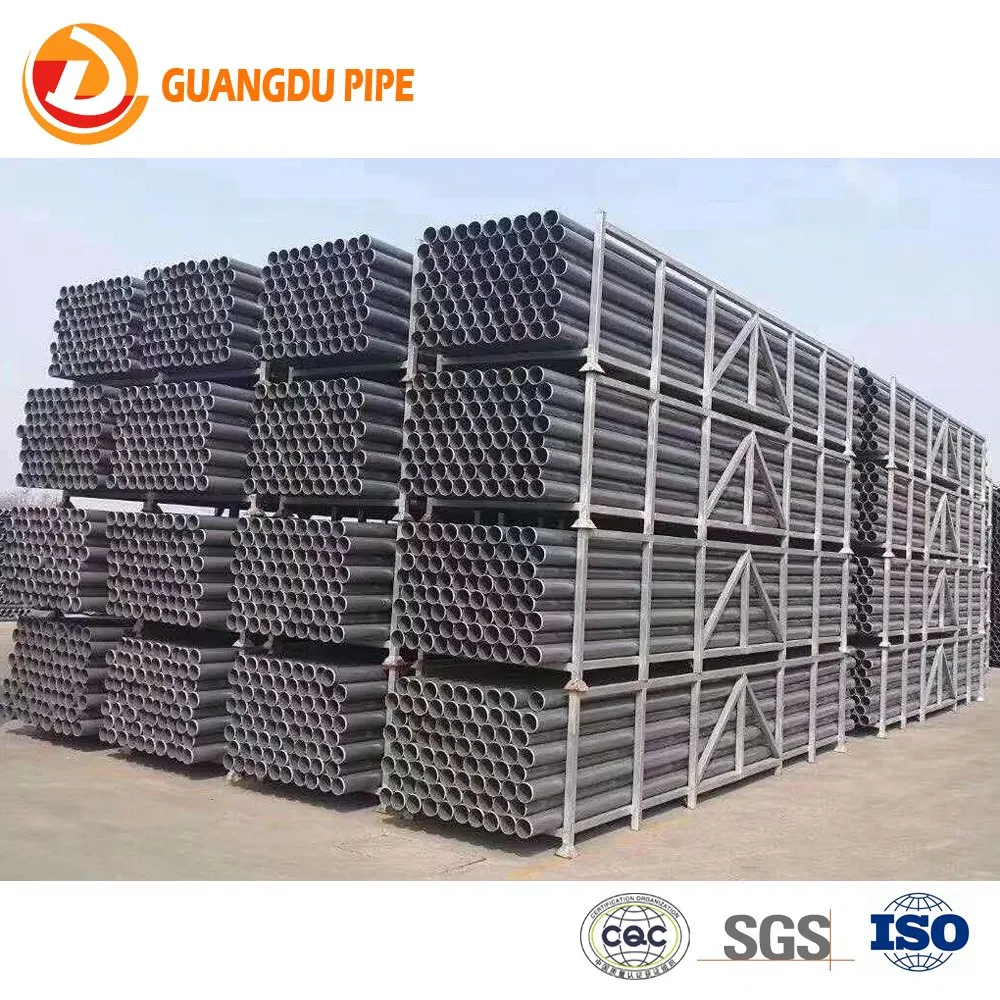
- PVC pipes (1.25” diameter x 4’ long)
- PVC elbows and tees
- PVC adhesive
- PVC primer
- PVC fittings (end caps, reducers, etc.)
- Measuring tape
- Marker or pencil
- Drill with a bit suitable for PVC (if necessary)
- Hammer and chisel (for cutting PVC pipes)
- Sandpaper
- Safety goggles and gloves
- PVC cutter or hacksaw
- Clamps
- Level
- Measuring tape
- Pencil
- PVC primer and cement
- Hammer and chisel
Step-by-Step Guide: 1.Measure and Plan the Layout
- Height and Length Calculation:Determine the height and length of your handrail. The standard handrail height is typically 34-38 inches from the floor.
- Marking:Use a measuring tape to mark the precise locations where you will install the handrail brackets. Ensure they are evenly spaced along the wall.
- Measure and Mark:Using a measuring tape and marker, mark the required lengths of the PVC pipe for each section of the handrail.
- Cutting:Use a PVC cutter or hacksaw to cut the pipe to the desired lengths. If you have a drill with a bit for PVC, you can also use it to score the pipe before breaking it.
- Sanding:Use sandpaper to smooth any rough edges on the cut ends.
- Prime and Cement:Apply PVC primer to the end of the pipe where the end cap will be placed. Allow it to sit for a few minutes, as per the manufacturer's instructions.
- Apply CementApply PVC cement around the inside of the end cap and firmly press it onto the primed pipe end. Hold it in place until the cement sets, typically for about 10-15 minutes.
- Drill Holes:Drill holes into the wall at the marked locations using a masonry bit if required.
- Insert Brackets:Insert wall anchors into the holes and attach the handrail brackets. Ensure they are level and securely fastened.
- Priming and Cementing:Apply PVC primer to both ends of the PVC pipe sections.
- Apply Cement:Apply PVC cement to one end of each section and assemble them at a 90-degree angle using an elbow or tee fitting. Hold them firmly until the cement sets.
- Repeat:Continue connecting additional sections using elbows and tees to conform to the planned layout.
- Check Level:Use a level to ensure all sections are straight and level. Make adjustments as needed.
- Secure:once everything is set and dry, double-check all connections to ensure they are properly secured.
- Smooth Any Rough Edges:If there are any rough spots or burrs, sand them down to achieve a smooth finish.
- Clean:Wipe down the handrail with a damp cloth to remove any dust or debris.
Maintenance Best Practices:
- Regular Cleaning:Clean the handrail periodically to remove dirt and debris. Use mild soap and water.
- Inspection:Periodically inspect the handrail for signs of wear or damage. Check for loose connections or cracks.
- Repair:Address any issues promptly by replacing damaged sections or tightening loose connections as needed.
By following these steps, you can create a durable and functional handrail using PVC pipe suitable for various applications such as stairs, ramps, or decks.