


Creating a lawn striper out of PVC pipe is an interesting DIY project that allows you to efficiently and evenly distribute grass seed or mulch across your lawn. Below, I will guide you through the process step-by-step, covering material properties, applications, specifications, installation guidelines, and maintenance best practices.
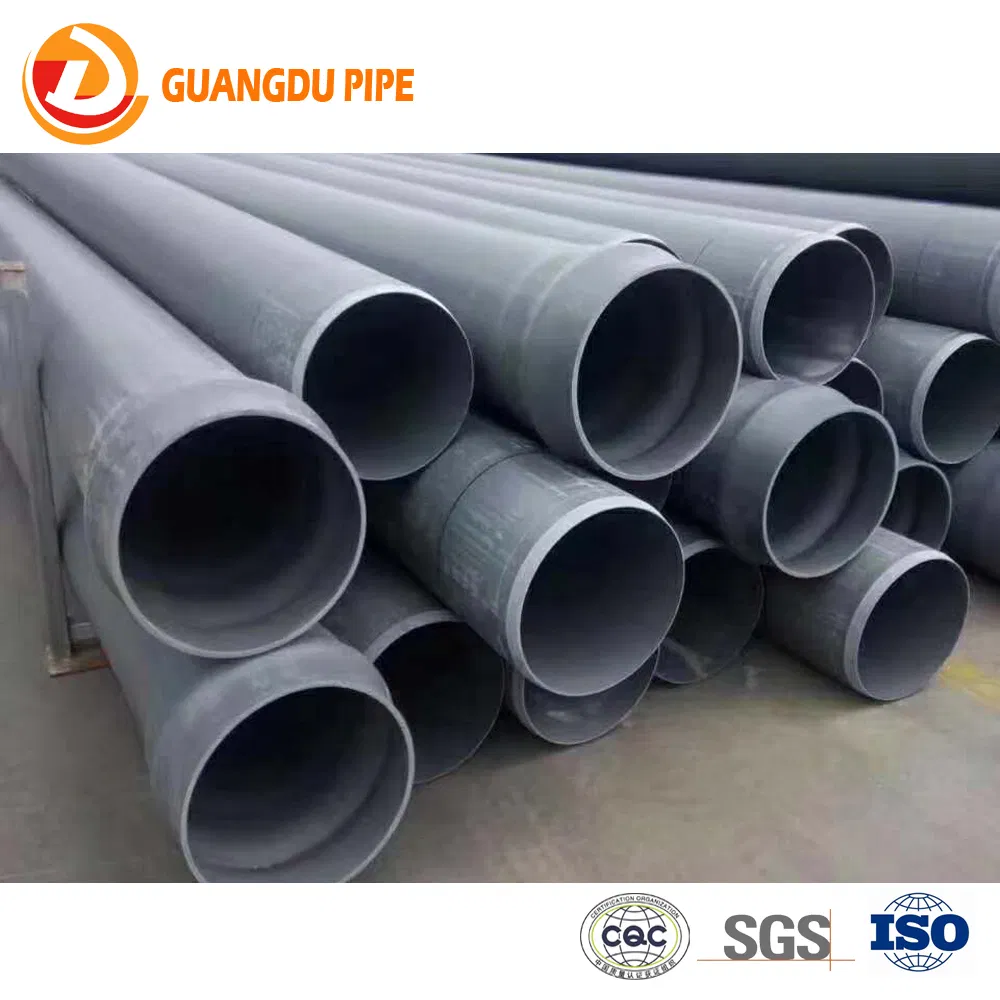
- PVC Pipe: Known for its durability, flexibility, and resistance to various weather conditions, PVC pipe is an ideal material for this project. It is lightweight, making it easier to handle and maneuver.
- Connectors: PVC connectors are used to connect the pipes. They ensure a secure fit and prevent leaks.
- Handle: A sturdy handle can be attached to one end of the PVC pipe to improve ergonomics and ease of use.
A PVC lawn striper is primarily used for distributing grass seed, fertilizer, or mulch over large areas. It helps achieve even coverage and minimizes waste by ensuring consistent application.

- Length: The length of the PVC pipe can vary depending on the area you need to cover. Common lengths range from 6 feet to 8 feet.
- Width: The width of the PVC blade (cut at the bottom) determines the spread of the material. Typically, a 2-inch wide blade works well for most applications.
- Connector Type: Use T-joints, elbows, and other fittings to achieve the desired shape and functionality.
- Determine the required length and width of the PVC pipe.
- Plan the layout of PVC pipes using connectors.
- Use a PVC cutter or a hacksaw to cut the PVC pipe to the desired length.
- Cut a straight edge along the entire length of the pipe to ensure uniformity.
- Cut a 2-inch wide slot at the bottom of the pipe using a saw or router.
- Ensure the slot is straight and smooth to prevent damage to the soil or grass during use.
- Join the sections of the PVC pipe using appropriate connectors (T-joints, elbows, etc.).
- Ensure all connections are tight and secure to prevent leakage.
- Drill holes on either side of the top end of the pipe where the handle will be attached.
- Insert a wooden dowel or another sturdy rod into the holes and secure it with screws or adhesive.
- Attach a comfortable handle for easy use.
- Cleaning: After each use, clean the blade and handle to remove any remaining grass seed or mulch. This prevents buildup and ensures efficient performance in future uses.
- Inspection: Regularly inspect PVC pipes and connectors for signs of wear or damage. Replace any damaged parts to maintain functionality.
- Storage: Store the PVC lawn striper in a dry place to prevent mold growth and ensure its longevity.
By following these steps, you can create an effective and durable PVC lawn striper that is tailored to your specific needs. This tool not only enhances the efficiency of lawn care activities but also promotes sustainability by minimizing waste.
