


Creating a play tent with PVC pipe can be a fun and rewarding DIY project. Here's a step-by-step guide to help you construct your own PVC pipe play tent:

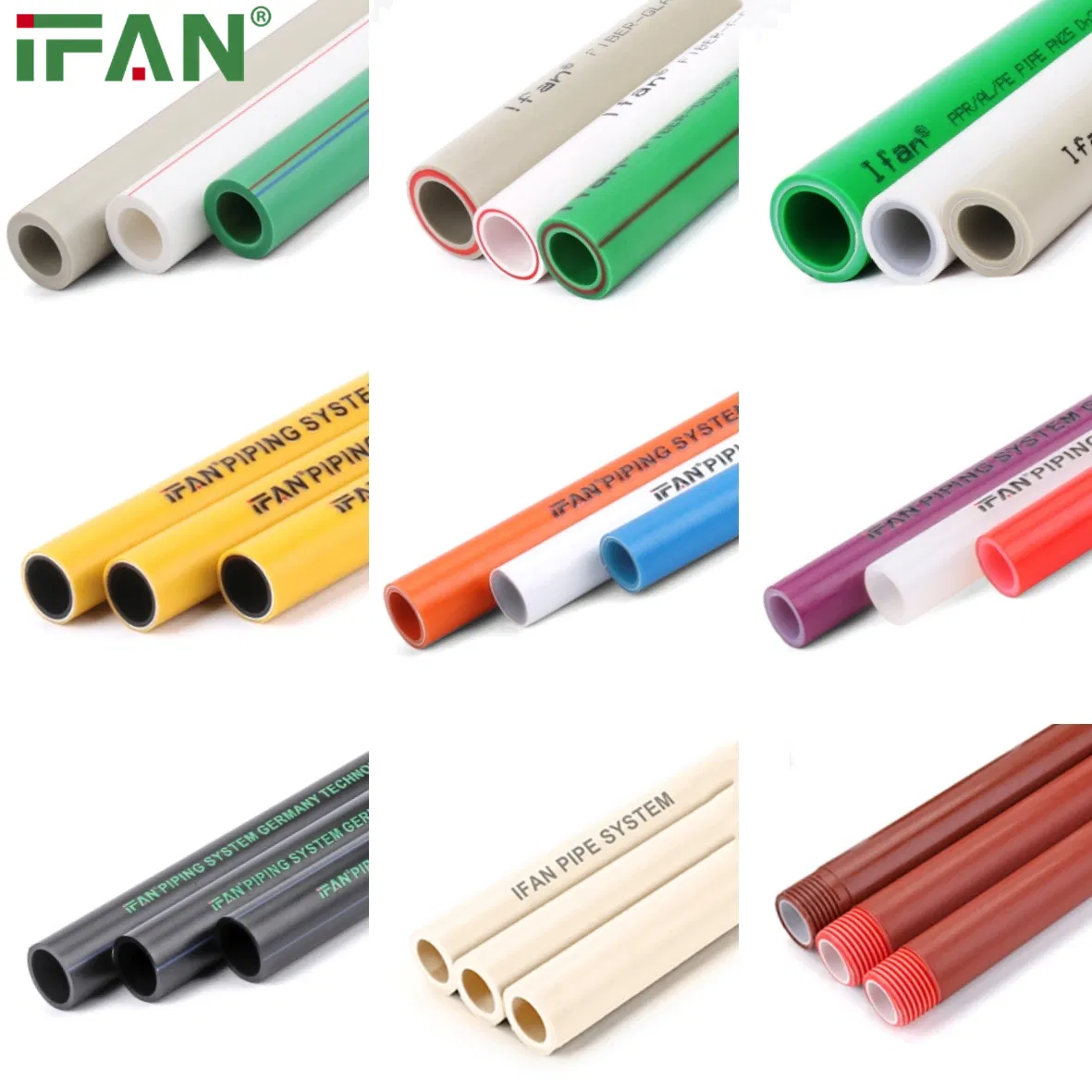
- PVC Pipes: Various sizes (typically 4" and 2" diameter pipes)
- PVC Elbows, Tees, and End Caps: For creating the frame structure
- PVC Clamps or C-Clamps: To secure the joints
- PVC Primer and PVC Adhesive: For sealing joints
- Fabric or Plastic Sheeting: To construct the tent walls
- Screws and Screwdriver: For further assistance if required
- Measuring Tape and Marker: For precise cuts and markings
- Hacksaw or Saw: For cutting PVC pipes
- Drill (if using screws for added support)
- Decide on the size of your play tent (e.g., 4x4 feet).
- Plan the desired shape of your tent (e.g., square, triangular, hexagonal).
- Create a detailed plan illustrating the quantity of pipes and fittings required.
- Use a hacksaw or saw to cut the PVC pipes to the desired lengths.
- Ensure all cuts are straight and smooth for proper fitting.
- Begin by connecting the pipes using PVC elbows, tees, and end caps.
- Follow your design plan to arrange the pipes in the specified configuration.
- Use PVC primer and adhesive to seal the joints for a strong and waterproof connection.
- Apply PVC clamps to hold the pieces in position while the adhesive sets.
- If necessary, use screws and additional supports to ensure stability.
- Drill holes through the PVC as needed, then insert screws to secure additional frames or supports.
- Choose a durable fabric or plastic tarp that is easy to handle and maintain.
- Measure and cut the fabric/tarp to completely cover the frame.
- Secure the fabric/tarp to the frame using zippers, Velcro, or ties. Ensure it is taut but not overly tight to avoid stress on the PVC frame.
- Double-check all connections to ensure they are secure and stable.
- Ensure that there are no sharp edges or exposed PVC that could potentially pose a hazard to children.
- Optionally, add windows or vents for ventilation and visibility.
- Regular Inspection: Regularly inspect PVC joints and fabric for signs of wear and tear.
- CleaningClean the fabric/tarp regularly to maintain hygiene. Machine-washable fabrics are preferred.
- Reinforcement: Reinforce any weak points as needed to extend the lifespan of your play tent.
- Storage: Store the play tent in a dry place when not in use to prevent damage from moisture and UV exposure.
By following these steps, you can create a durable and engaging play tent that will provide hours of enjoyment for children. Enjoy your DIY project!

