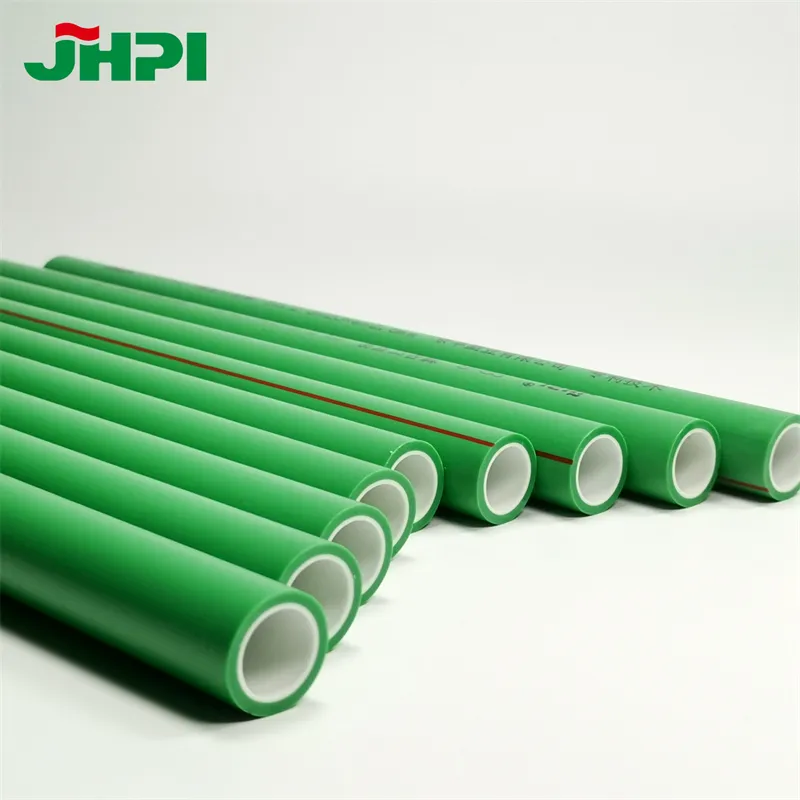
Creating a clothes rack from PVC pipes is a practical and cost-effective project that can be completed with minimal tools and materials. The following is a step-by-step guide to help you construct your own PVC pipe clothes rack.

- PVC pipes: Various sizes depending on the design (e.g., 4" x 4", 2" x 2")
- PVC fittings: Elbows, tees, end caps, etc.
- PVC adhesive: For joining pipes and fittings.
- Pipe cutter or hacksaw: To cut PVC pipes.
- Drill: With tools for drilling holes.
- Screws or nails: For attaching hooks.
- Hooks: Suitable for hanging clothes.
- Measuring tape: For precise measurements.
- Level: To ensure the rack's stability.
- Optional: Sandpaper, marker, protective gloves.
- Decide on the size and arrangement of your clothes rack.
- Plan the number of sections and their placement locations.
- Use a pipe cutter or hacksaw to cut the PVC pipes to the desired lengths.
- Mark the cut lines with a marker before cutting to ensure accuracy.
- Begin by connecting the PVC pipes using PVC fittings.
- Connect the vertical supports with horizontal crossbars to form the frame.
- Use PVC cement to secure the connections. Ensure that the joints are dry and clean before applying the cement.
- Allow the adhesive to cure according to the manufacturer's instructions before moving the frame.
- once the frame is assembled and fully dried, use a drill to create holes in the crossbars at the desired locations for attaching hooks.
- Space the holes evenly to ensure proper weight distribution.
- Insert screws or nails into the pre-drilled holes to securely fasten the hooks.
- Ensure the hooks are securely attached and can bear the weight of the garments.
- If necessary, add additional supports or bracing to improve stability.
- You can use additional pipes or supports to prevent instability.
- Sand any rough edges to prevent splinters or injuries.
- Optionally, paint or seal the PVC pipes to achieve a finished appearance and enhanced durability.
- Regularly inspect the integrity of PVC joints and connections.
- Clean the hooks and frame periodically to prevent the accumulation of dirt and rust.
- Avoid overloading the rack with excessive weight to maintain stability and ensure long-term performance.
- Material PropertiesPVC pipes are durable, lightweight, and resistant to corrosion and chemicals. They are easy to work with and are available in various diameters and lengths.
- Application: This PVC pipe clothes rack is ideal for indoor use, especially in small spaces like bedrooms, closets, or apartments. It is perfect for hanging shirts, pants, dresses, and other garments.
- Specifications: The size and configuration of the rack can vary depending on individual requirements. Standard dimensions may include heights between 60” and 80”, with widths adjustable according to available space.
By following these steps and guidelines, you can create a functional and stylish PVC pipe clothes rack that meets your storage requirements.