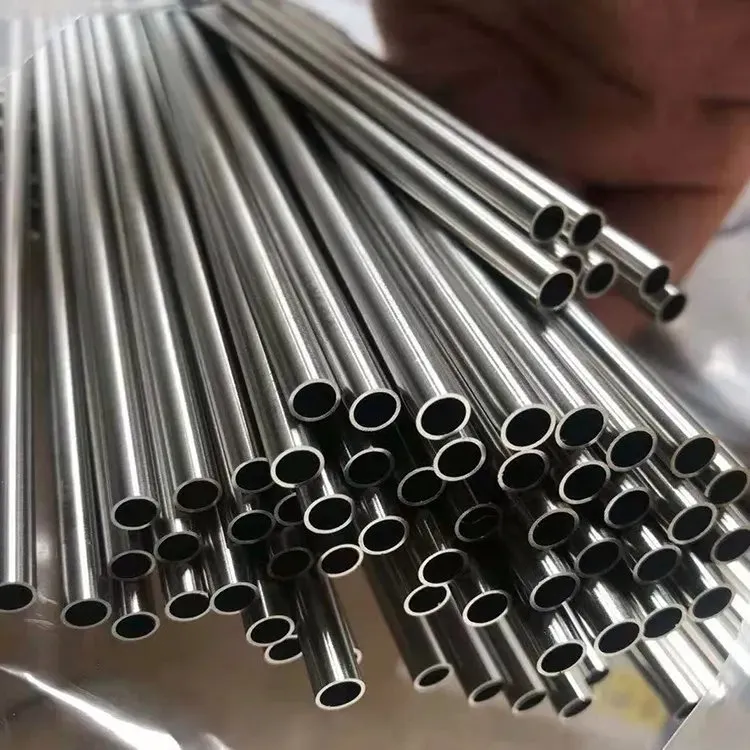
Creating a PVC pipe deer feeder is an excellent way to attract and provide nutrition for local wildlife. The following details the steps, material properties, applications, specifications, installation guidelines, and maintenance best practices for constructing a DIY PVC pipe deer feeder.
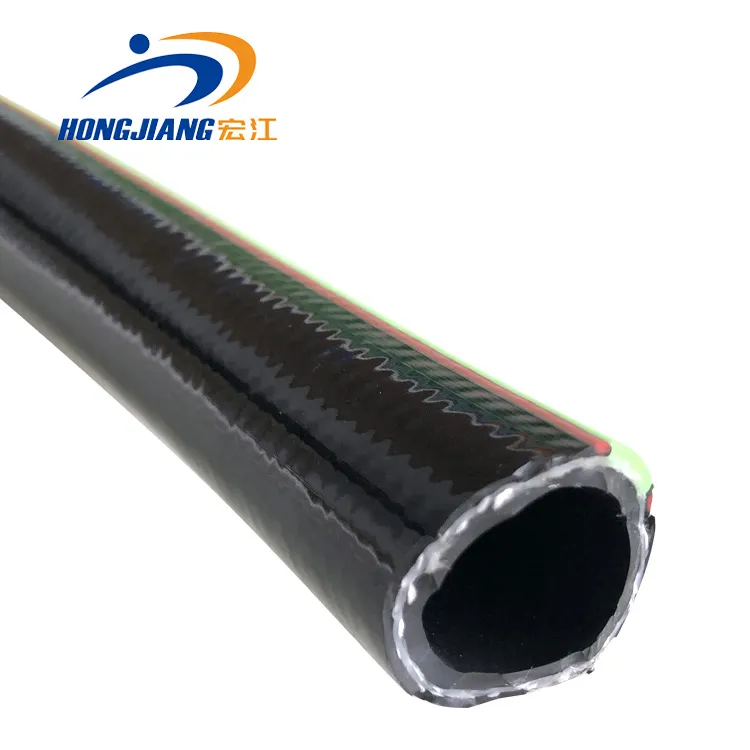
- PVC pipes (1/2 inch diameter x 8 feet long)
- PVC end caps
- PVC primer and cement
- Wire or rope
- Eye bolts (if desired for hanging options)
- Drill with appropriate drill bits
- Saw (if cutting pipes)
- Measuring tape
- Sandpaper or sand block
- Hinges (optional for feeders with lids)
- Spray paint (optional for aesthetic purposes)
- Feed Capacity: Determine the number of deer you expect to feed and choose the appropriate size for your feeder. A common design utilizes three 1/2 inch diameter PVC pipes stacked vertically.
- Load-bearing capacity: Ensure the structure can support the weight of the feed and any animals that will be using it.
- Accessibility: Place the feeder in a location that is easily accessible to deer, but also safe from other wildlife.
- Cut three 8-foot PVC pipes to the required length.
- Sand the ends to ensure a smooth surface for bonding.
- Apply PVC primer to the ends of each pipe, then apply PVC cement and quickly join the pipes together.
- Allow the adhesive to cure according to the manufacturer's instructions before handling.
- once the pipes are securely joined, attach PVC end caps to both ends of the assembly.
- If additional stability is required, consider reinforcing the joints with screws or wire wrap.
- To install the feeder, attach eye bolts near the top of one end cap.
- Use heavy-duty wire or rope to secure the feeder from a strong tree branch or post.
- Lid Installation: For easy filling and cleaning, install a hinge on one side of the feeder and cover it with a PVC or metal sheet that can be removed.
- Spray Painting: Optionally, apply a spray paint to the feeder to protect it from UV damage and to better blend it into natural surroundings.
- Wildlife Feeding: Attracts and provides sustenance for deer and other woodland animals.
- Habitat Enhancement: Promotes healthy wildlife populations by providing consistent feeding opportunities.
- Educational Projects: Ideal for environmental education programs, teaching children about wildlife and sustainable practices.
- Regular Maintenance: Remove debris and old feed regularly to prevent mold and pests.
- Weather Protection: Protect the feeder from extreme weather conditions by covering it when not in use.
- Safety ChecksInspect the feeder regularly for signs of wear or damage and make necessary repairs.
- Dimensions: Typically, a 3-pipe feeder is approximately 8 feet in height.
- Weight Support: Can support up to 10-20 pounds of feed, depending on the design and materials used.
- Material: High-density polyethylene (HDPE) or cross-linked polyethylene (PEX) can also be used due to their durability and resistance to outdoor elements.
By following these guidelines, you can create a durable and effective PVC pipe deer feeder that supports local wildlife while being easy to maintain and operate.