

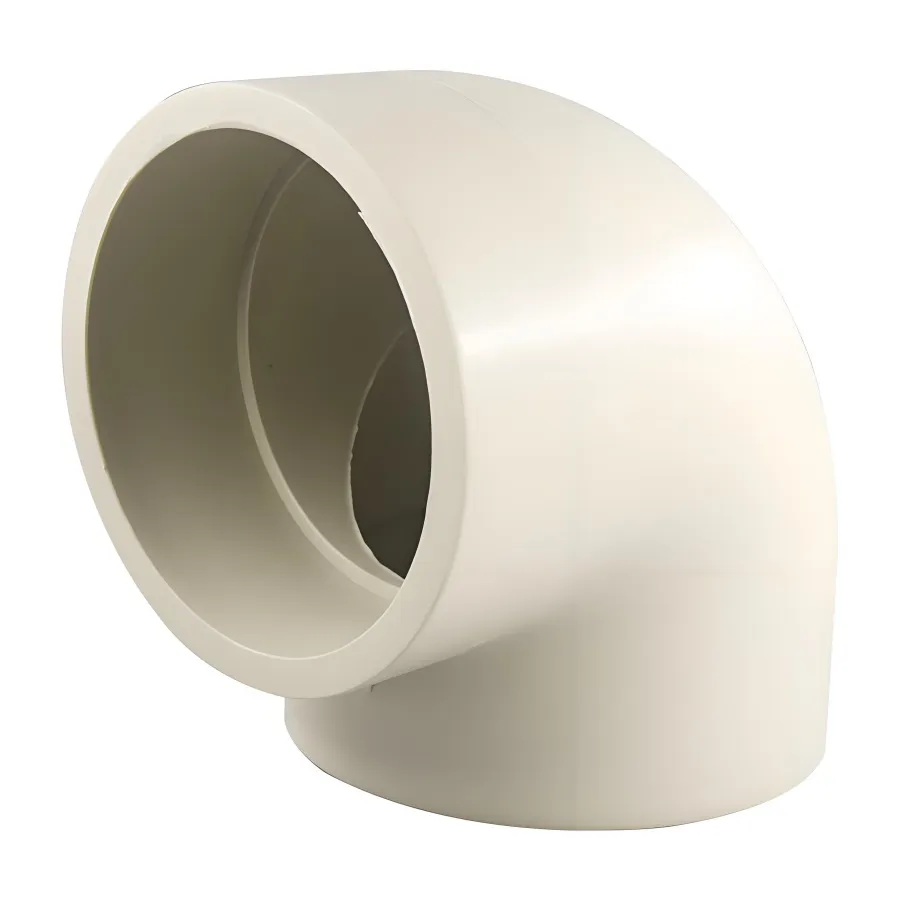
| Material | Pph |
| Kind | Thermoplastics Pipes |
| Water Absorption | 0.03% - 0.04% |
| Contraction Percentage | 1.0%~2.5% |
| Tensile Strength | 30~40MPa |
| Delivery Time | 15-25 Days |
| Materials | Pph |
| Temperaturee | - 20℃ + 110℃ |
| Thickness | 2-30mm |
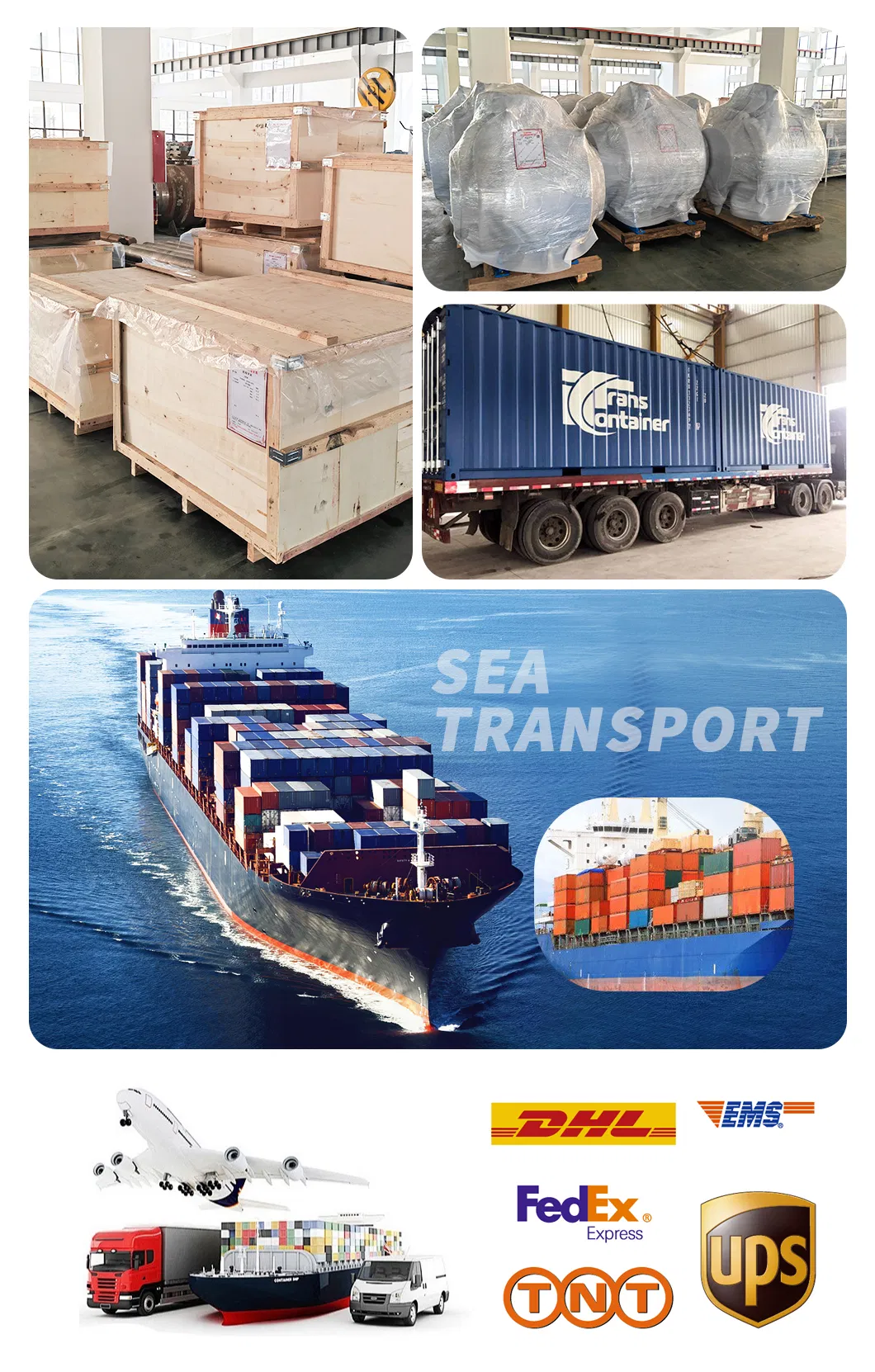
| Transport Package | Wooden Case |
| Specification | customized |
| Trademark | Yoonad |
| Origin | China |
| HS Code | 3917320000 |

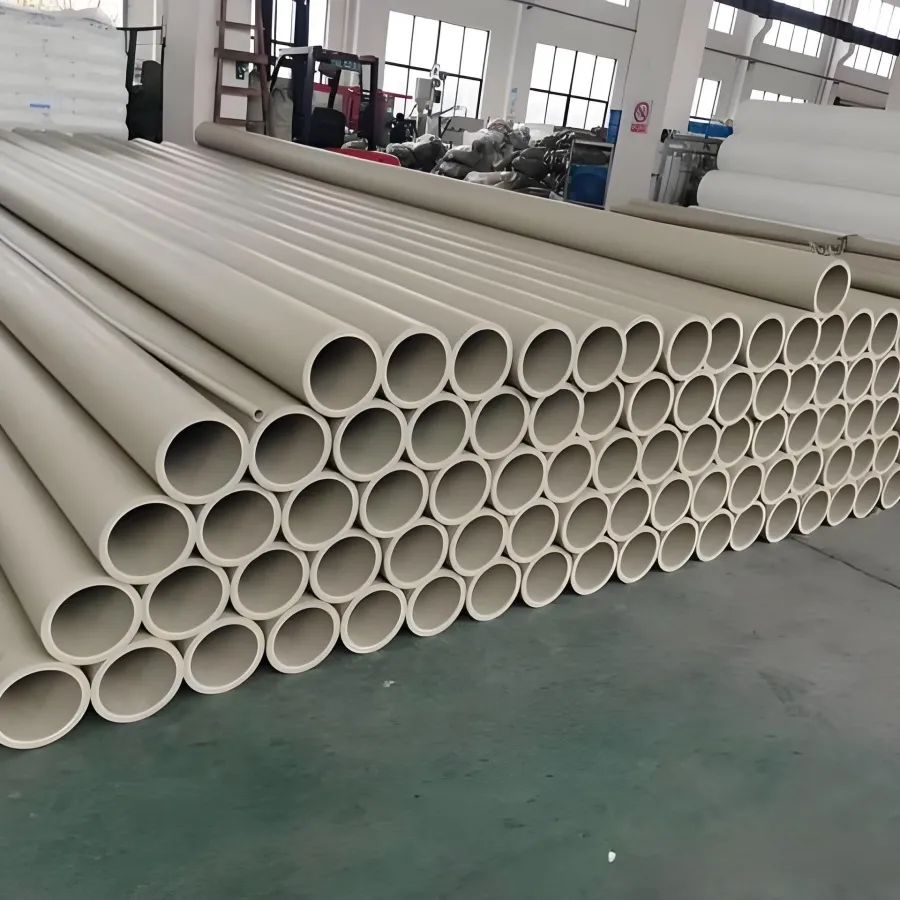
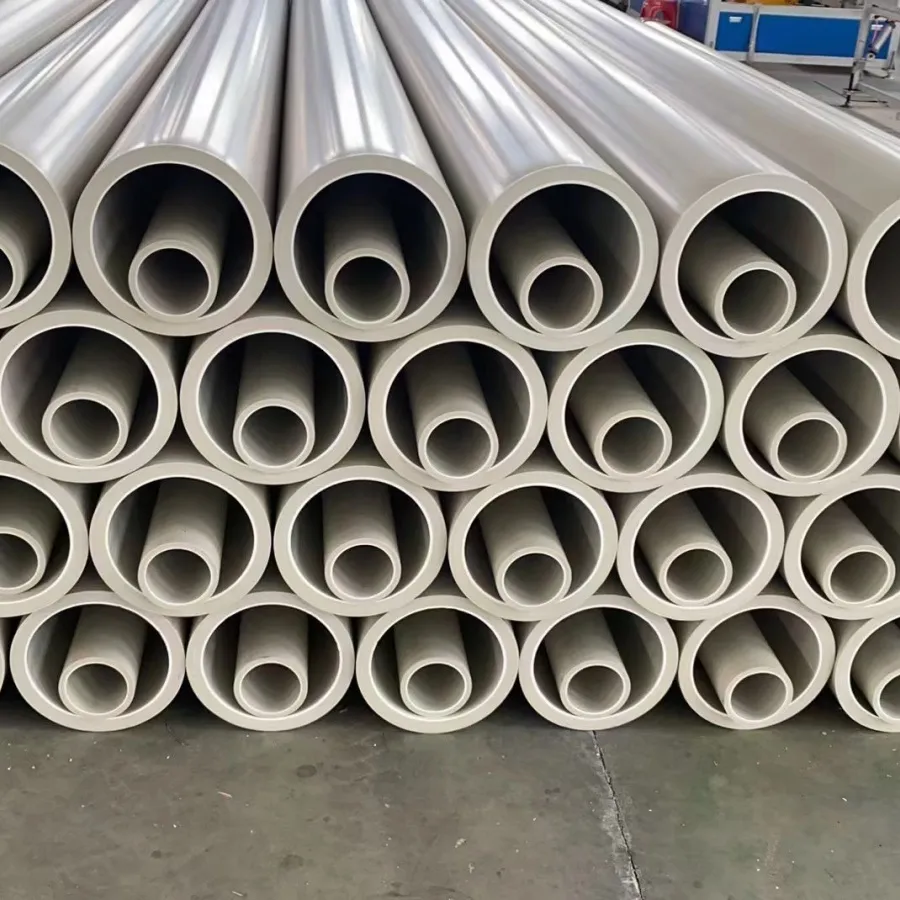
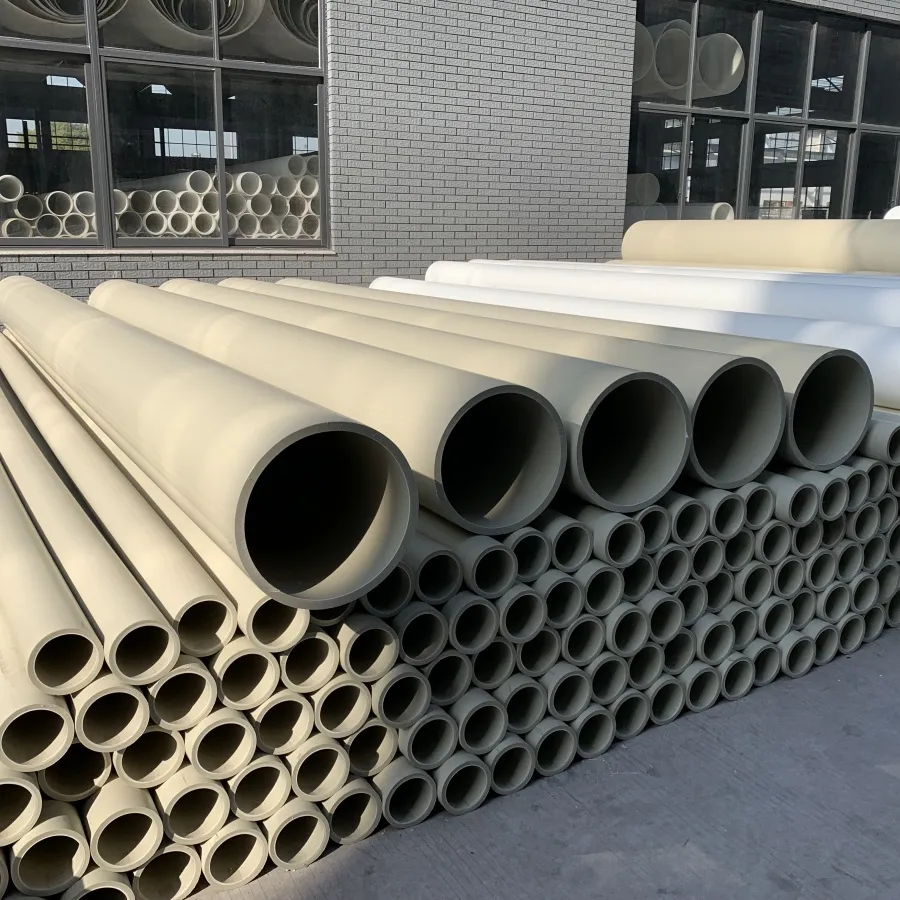
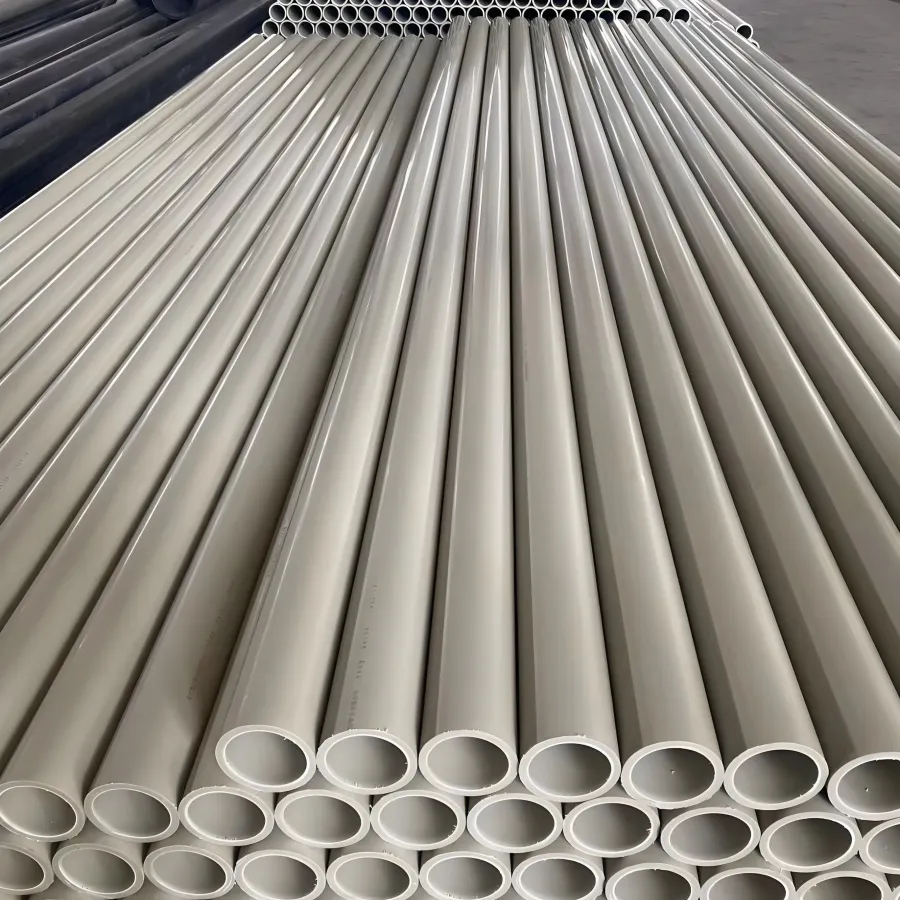
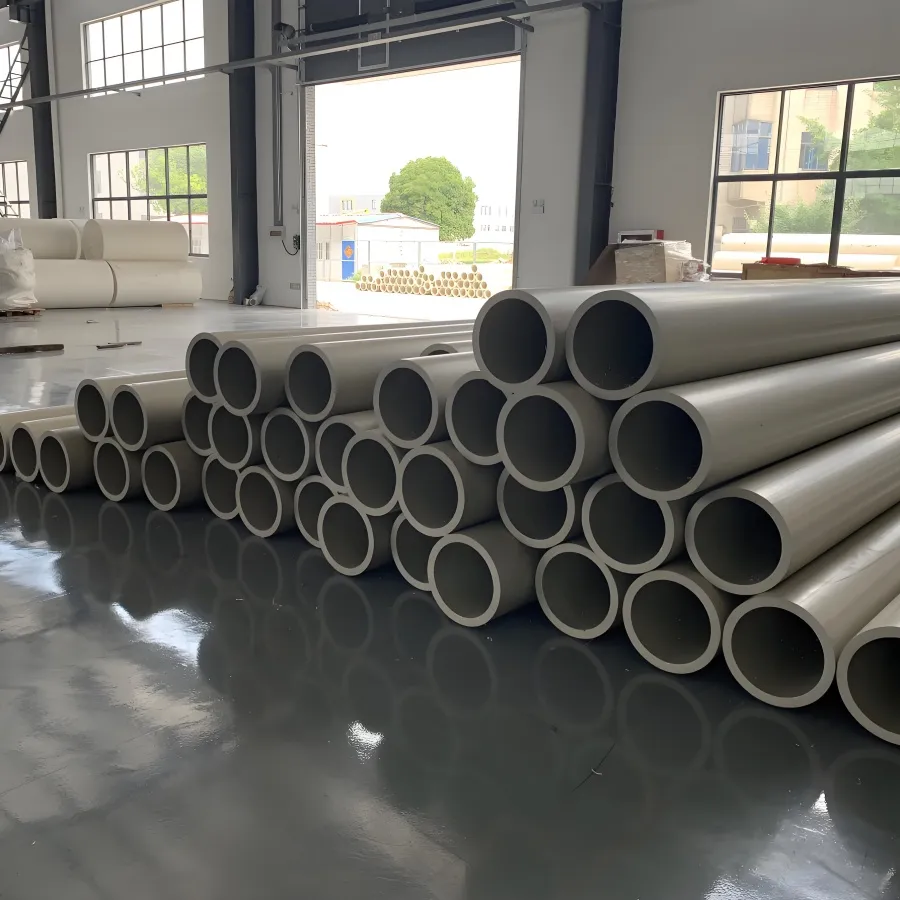
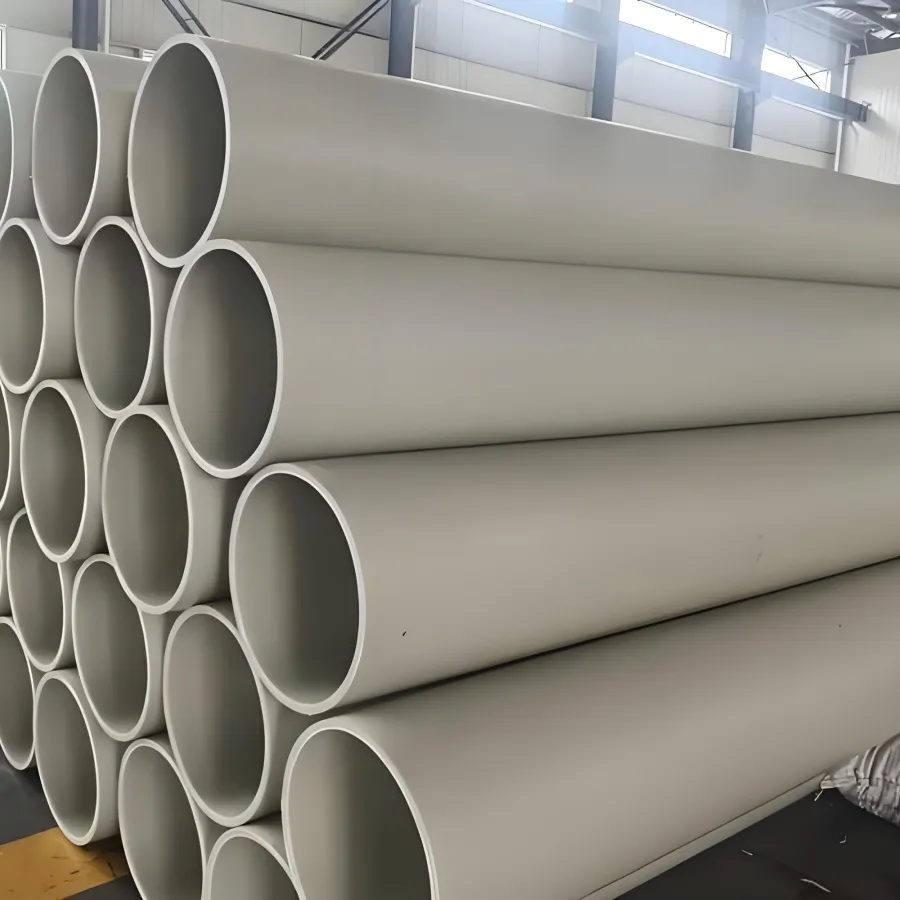
PPH pipe, short for polypropylene - homopolymer pipe, comes in a variety of specifications. The common specifications are as follows:
Nominal Diameter
- Usually ranging from small diameters such as DN20, DN25, DN32 to larger diameters like DN40, DN50, DN65, DN80, DN100, DN125, DN150, DN200, DN250, DN300, DN350, DN400, DN450, DN500, DN600, etc. Here, "DN" represents the nominal diameter in millimeters.
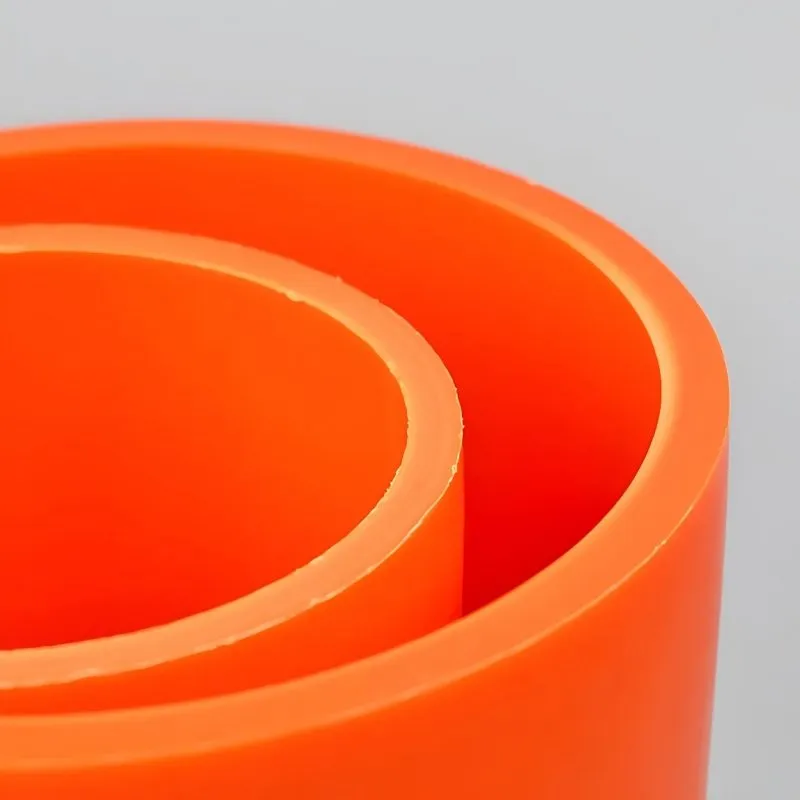
Wall Thickness
- The wall thickness of PPH pipes varies according to different nominal diameters and pressure ratings. For example, for a DN100 PPH pipe, the wall thickness might be 4.6 mm for a certain pressure - bearing capacity, while for a higher - pressure - rated pipe, the wall thickness could be 6.0 mm or more. Generally, the thicker the wall, the higher the pressure - resistance of the pipe.

- Excellent chemical resistance: PPH pipes exhibit high resistance to a wide range of chemicals, including acids, alkalis, and salts. This makes them suitable for transporting corrosive substances in chemical, pharmaceutical, and wastewater treatment industries.
- Good thermal stability: They can withstand relatively high temperatures. PPH pipes can be used in applications where the operating temperature ranges from -20°C to 110°C, maintaining their mechanical properties and dimensional stability within this temperature range.
- High mechanical strength: PPH pipes have good tensile strength, impact resistance, and pressure - bearing capacity. They can endure the pressure and stress generated during fluid transportation, ensuring the safe operation of the pipeline system.
- Low friction coefficient: The inner surface of PPH pipes is smooth, resulting in a low friction coefficient. This reduces the resistance to fluid flow, which helps to save energy and increase the flow efficiency of the medium being transported.

Plastic pipes are flexible and it is difficult to meet overly high requirements for the inner diameter. If there are specific requirements for the pipeline, please specify.
If there are special requirements for the inner diameter, please inform us in advance.