


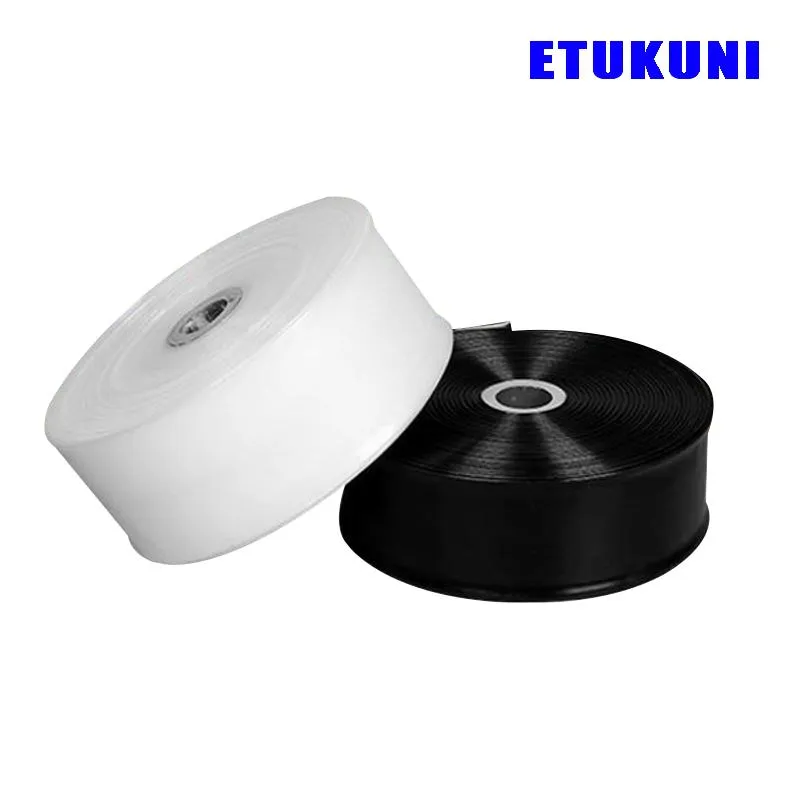

10 inch pvc pipe
Detailed specification for 10 inch pvc pipe
Review product features, application details and supporting information below. For pricing, samples or shipping questions, use the inquiry form on this page.
Overview of 10-inch PVC Pipe
10-inch PVC (Polyvinyl Chloride) pipe is a widely used thermoplastic piping solution engineered for robust fluid conveyance in municipal, industrial, and commercial systems. It delivers an optimal balance of strength, chemical resistance, and cost-efficiency, making it a top choice for large-diameter applications where reliability and long service life are critical.
Key Advantages
- Corrosion Resistance: Immune to rust, rot, and electrochemical corrosion, eliminating the need for protective coatings and extending service life in aggressive environments.
- Lightweight Design: Significantly lighter than metal or concrete pipes, simplifying transportation, handling, and installation—reducing labor costs and equipment requirements.
- Low Maintenance: Smooth inner surface minimizes friction loss and prevents scale buildup, cutting down on operational costs and cleaning downtime.
- Chemical Inertness: Resists a broad range of chemicals, including acids, alkalis, and saltwater, making it suitable for industrial wastewater, chemical processing, and coastal applications.
- Long Service Life: Properly installed and maintained, 10-inch PVC pipe can last 50+ years, offering a high return on investment.
Material Properties of 10-inch PVC Pipe
10-inch PVC pipe is manufactured to meet strict industry standards, ensuring consistent performance in pressure and non-pressure applications. Its material properties are tailored to withstand demanding operational conditions.
Chemical and Physical Characteristics
- Density: Approximately 1.4 g/cm³, contributing to its durability without excessive weight.
- Tensile Strength: Ranges from 4,000–5,000 psi at room temperature, providing resistance to mechanical stress and internal pressure.
- Operating Temperature Range: Typically -40°F to 140°F (-40°C to 60°C); exceeding this range may compromise structural integrity and joint performance.
- Thermal Expansion: Coefficient of thermal expansion is ~3.0 x 10⁻⁵ in/in/°F, requiring proper expansion compensation in temperature-variable environments.
- Flame Retardancy: Inherently flame-retardant (self-extinguishing when the flame source is removed), meeting safety standards for fire-prone areas.
Standards Compliance
10-inch PVC pipe adheres to globally recognized standards to ensure quality and performance:
- Pressure Pipe: Complies with ASTM D1784 (cell class 12454 for pressure applications) and AWWA C900 for municipal water systems.
- Non-Pressure Pipe: Meets ASTM D3034 for sewer and drainage applications, ensuring consistent wall thickness and impact resistance.
- Pressure Rating: Common pressure ratings for 10-inch PVC include 150 psi (Class 150) and 200 psi (Class 200), depending on wall thickness and application.
Core Applications of 10-inch PVC Pipe
The versatility of 10-inch PVC pipe makes it suitable for a diverse range of large-scale fluid management systems, spanning water supply, wastewater treatment, and industrial processes.
Municipal and Water Infrastructure
- Potable Water Distribution: Used in main water lines, secondary distribution networks, and booster systems due to its non-toxic, smooth interior that preserves water quality.
- Sewer and Wastewater Collection: Ideal for gravity-fed sewer lines and force mains, handling both domestic and industrial wastewater with resistance to biological degradation.
- Stormwater Management: Deployed in large storm drains, culverts, and detention systems to efficiently convey rainwater and prevent flooding.
Industrial and Commercial Uses
- Industrial Process Piping: Transports corrosive chemicals, process water, and waste streams in manufacturing plants (e.g., chemical processing, food and beverage, pharmaceuticals).
- Irrigation Systems: Serves as the backbone for large-scale agricultural and landscape irrigation, delivering water efficiently with minimal friction loss.
- HVAC Systems: Used for chilled water and condensate lines in commercial buildings, compatible with HVAC equipment and resistant to condensation-related corrosion.
Specialized Applications
- Coastal and Marine Systems: Resists saltwater corrosion, making it suitable for desalination plant outfalls, coastal drainage, and marine aquaculture.
- Mining Operations: Conveys mine drainage water, slurries, and process chemicals, withstands abrasive particles and harsh chemical environments.
Technical Specifications for 10-inch PVC Pipe
Understanding the specifications of 10-inch PVC pipe is critical for ensuring compatibility with system requirements, including pressure ratings, dimensions, and joint options.
Dimensions and Pressure Ratings
Available Configurations
- Pipe Lengths: Standard lengths are 20 feet (6 meters), with custom lengths available for large projects to minimize joints.
- Joint Types:
- Solvent Weld (Glued): Permanent, leak-proof joints using PVC solvent cement, ideal for buried or permanent installations.
- Flanged: Bolted flanges for easy disassembly, suitable for pump connections, valves, and maintenance access points.
- Bell & Spigot (Rubber Gasket): Flexible joints using EPDM rubber gaskets, perfect for gravity-fed systems and areas with ground movement.
- Threaded: Available for smaller sections, though less common for 10-inch pipe due to lower pressure capacity.
Material Grades
- Grade I (Cell Class 12454): High-impact strength, suitable for pressure applications (water supply, force mains).
- Grade II (Cell Class 12452): Standard strength, used for non-pressure applications (sewer, drainage).
- UV-Stabilized: Formulated with UV inhibitors for above-ground installations, preventing degradation from sunlight exposure.
Installation Guidelines for 10-inch PVC Pipe
Proper installation is critical to maximizing the performance and lifespan of 10-inch PVC pipe. The following guidelines cover site preparation, joint assembly, and burial requirements to ensure leak-free, durable systems.
Site Preparation
- Trenching: Dig trenches to the required depth, ensuring uniform width (at least 12 inches wider than the pipe diameter for proper backfill). The trench bottom must be smooth, free of rocks, debris, and sharp objects.
- Bedding: Use a 4-6 inch layer of fine sand or compacted soil as bedding material to support the pipe evenly and prevent point loads. For rocky or hard soil, add a protective layer of geotextile fabric.
- Slope: For gravity-fed systems (sewers, storm drains), maintain the required slope (typically 0.5–2% for sewers) to ensure self-cleansing flow and prevent blockages.
Joint Assembly Best Practices
- Solvent Welding:
- Clean pipe ends and fittings with PVC primer to remove dirt and surface contaminants.
- Apply PVC solvent cement evenly to the pipe end and fitting socket, following the manufacturer’s recommended drying time.
- Insert the pipe into the fitting, twist slightly to distribute cement, and hold in place for the required curing time (usually 15–30 minutes for initial set, 24 hours for full strength).
- Bell & Spigot Installation:
- Lubricate the rubber gasket and spigot end with a compatible lubricant (avoid petroleum-based products).
- Align the spigot with the bell, ensuring the gasket is seated properly, and push the pipe into the bell until the spigot stops at the belled end.
- Verify the joint is fully engaged and leak-proof before backfilling.
- Flanged Connections:
- Use gaskets compatible with the fluid being conveyed (EPDM for general use, neoprene for oil resistance).
- Tighten bolts evenly in a cross pattern to the manufacturer’s specified torque, avoiding over-tightening which can damage gaskets.
Burial and Backfill Requirements
- Cover Depth: Minimum cover depth depends on application and traffic load:
- Residential areas: 18 inches (450 mm)
- Roadways: 36 inches (900 mm)
- Non-traffic areas: 12 inches (300 mm)
- Backfill Material: Use compacted soil free of rocks, concrete, and debris. For areas with heavy loads, use select backfill (sand or gravel) compacted in 6-inch layers.
- Compaction: Compact backfill gently around the pipe to avoid damaging the pipe or joints. Use hand compaction near the pipe and mechanical compaction for higher layers.
Safety and Handling Tips
- Wear personal protective equipment (PPE) including gloves, safety glasses, and respiratory protection when handling solvents.
- Avoid dropping or impacting the pipe, as PVC is brittle at low temperatures. Store pipe in a shaded, dry area to prevent UV degradation.
- Use proper lifting equipment (slings, hoists) for 10-inch pipe, as it can be heavy (approximately 20–30 lbs per foot depending on class).
Maintenance Best Practices for 10-inch PVC Pipe
Routine maintenance ensures 10-inch PVC pipe operates efficiently and extends its service life. Unlike metal pipes, PVC requires minimal upkeep, but proactive measures prevent costly repairs and system failures.
Routine Inspection Protocols
- Visual Inspections: For above-ground pipe, check for cracks, discoloration, leaks, or signs of UV degradation. For buried pipe, inspect manholes, valve chambers, and access points for water seepage or soil subsidence.
- Pressure Testing: Conduct annual pressure tests for pressure systems (e.g., water supply) to detect leaks. Use hydrostatic testing at 1.5x the operating pressure for 2 hours, monitoring for pressure drops.
- Flow Monitoring: Track flow rates to identify blockages or reduced capacity caused by debris, scale, or root intrusion. Use flow meters and pressure gauges to detect anomalies.
Cleaning and Debris Removal
- Mechanical Cleaning: Use pigging (pipeline inspection gauges) or high-pressure water jetting to remove debris, sediment, and biofilm from the pipe interior. Avoid abrasive cleaning methods that may scratch the pipe surface.
- Chemical Cleaning: For stubborn deposits (e.g., mineral scale, organic growth), use mild, PVC-compatible cleaning agents (e.g., citric acid, sodium hypochlorite) at recommended concentrations. Avoid strong acids or solvents that can degrade PVC.
- Root Control: For sewer lines, use root-killing agents (copper sulfate, herbicides) to prevent root intrusion. Install root barriers around the pipe during installation to minimize future issues.
Repair and Replacement
- Minor Repairs: For small cracks or leaks in above-ground pipe, use PVC repair clamps or epoxy putty. For buried pipe, excavate carefully to access the damage, then cut out the damaged section and replace it with a new pipe segment using solvent welding or mechanical couplings.
- Joint Leak Repair: For leaking solvent-welded joints, cut out the damaged joint and re-weld. For leaking gasket joints, tighten the coupling or replace the gasket.
- Replacement: When replacing large sections, use the same pipe class and material grade to ensure compatibility. Follow the original installation guidelines for bedding, backfill, and joint assembly.
Long-Term Care Tips
- UV Protection: For above-ground pipe, apply a UV-resistant paint or coating if the original UV inhibitors have degraded. Re-coat every 5–10 years to maintain protection.
- Temperature Management: Avoid exposing the pipe to extreme temperature fluctuations. For systems with hot fluids, use thermal insulation to keep the pipe within the operating temperature range.
- Record Keeping: Maintain a detailed record of installation, inspections, repairs, and maintenance activities. This helps track the pipe’s condition and plan for future replacements.
Conclusion
10-inch PVC pipe is a reliable, durable, and cost-effective solution for large-diameter fluid conveyance systems across diverse sectors. By understanding its material properties, adhering to installation best practices, and implementing routine maintenance, you can ensure optimal performance, minimal downtime, and a service life exceeding 50 years.
For project-specific guidance—such as pressure rating selection, joint configuration, or site-specific installation adjustments—feel free to share additional details (e.g., fluid type, operating pressure, environmental conditions), and I’ll provide tailored recommendations.


Check buyer reviews and ratings to quickly assess product quality and service experience.
Accurate specifications, smooth surface finish, and secure packaging. Fast response and quick dispatch.
Stable tolerances and good batch consistency. Shipping was a bit slow, but support followed up promptly.
We ordered after sample approval, and the delivered goods matched the sample. Great value and we will reorder.
Documentation in English was complete and easy for overseas coordination. Suggest adding more testing reports.
Plenty of stock, reliable lead times, and quick after-sales response. Overall a great cooperation experience.
Transparent pricing and reasonable MOQ, suitable for project-based sourcing. Please add more application cases.
Compare similar items from the same supplier to simplify sourcing and bundled procurement.
10 inch pvc pipe
Premium Bending Pipe Fittings for Optimal Fluid Transport Solutions
Customized High-Temperature Resistant Stainless Steel Ventilation Metal Pipe Manufacturer
Premium Bending Pipe Fittings for Optimal Fluid Transport Solutions
Send your message to this supplier
Include product specification, quantity, destination port and packing needs to receive a faster and more accurate quotation.
Benchmark comparable offers in the market and evaluate more sourcing options.
pvc pipe bonding
pvc pipe brace
pvc pipe as fence posts
pvc pipe ball valve
pvc pipe antenna mast