



Global B2B Product Sourcing
caps for pvc pipe
Reference Pricing
Contact for latest quote
Min. Order
0 Meters
PaymentsLC, T/T, PayPal, Western Union
DeliveryContact the supplier about freight and estimated delivery time.
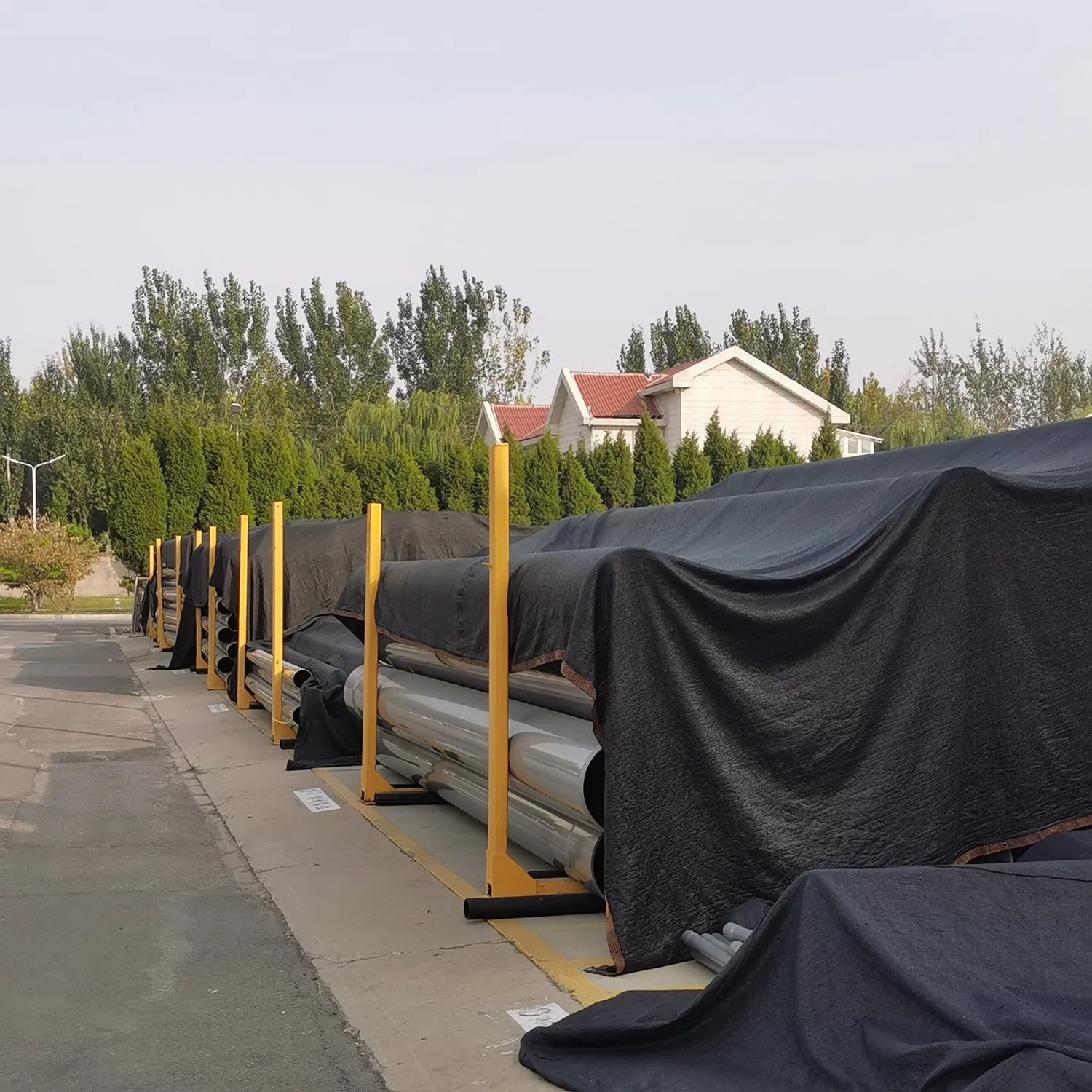
PackingCarton Box+Plastic Bag
SamplesProvide Samples
Trade Information
Address
InspectionGB/T18742.1-3-2017 ISO 15874 / DIN 8077/8078
ApplicationHot Water / Cold Water / Drinking Water / HeatingHot Water / Cold Water / Drinking Water / Heating
Model NO.caps for pvc pipe
MaterialPVC
KindThermoplastics Pipes
For faster quotations, include required quantity, target market, packaging requests and delivery destination in your message.
Product Overview
Detailed specification for caps for pvc pipe
Review product features, application details and supporting information below. For pricing, samples or shipping questions, use the inquiry form on this page.
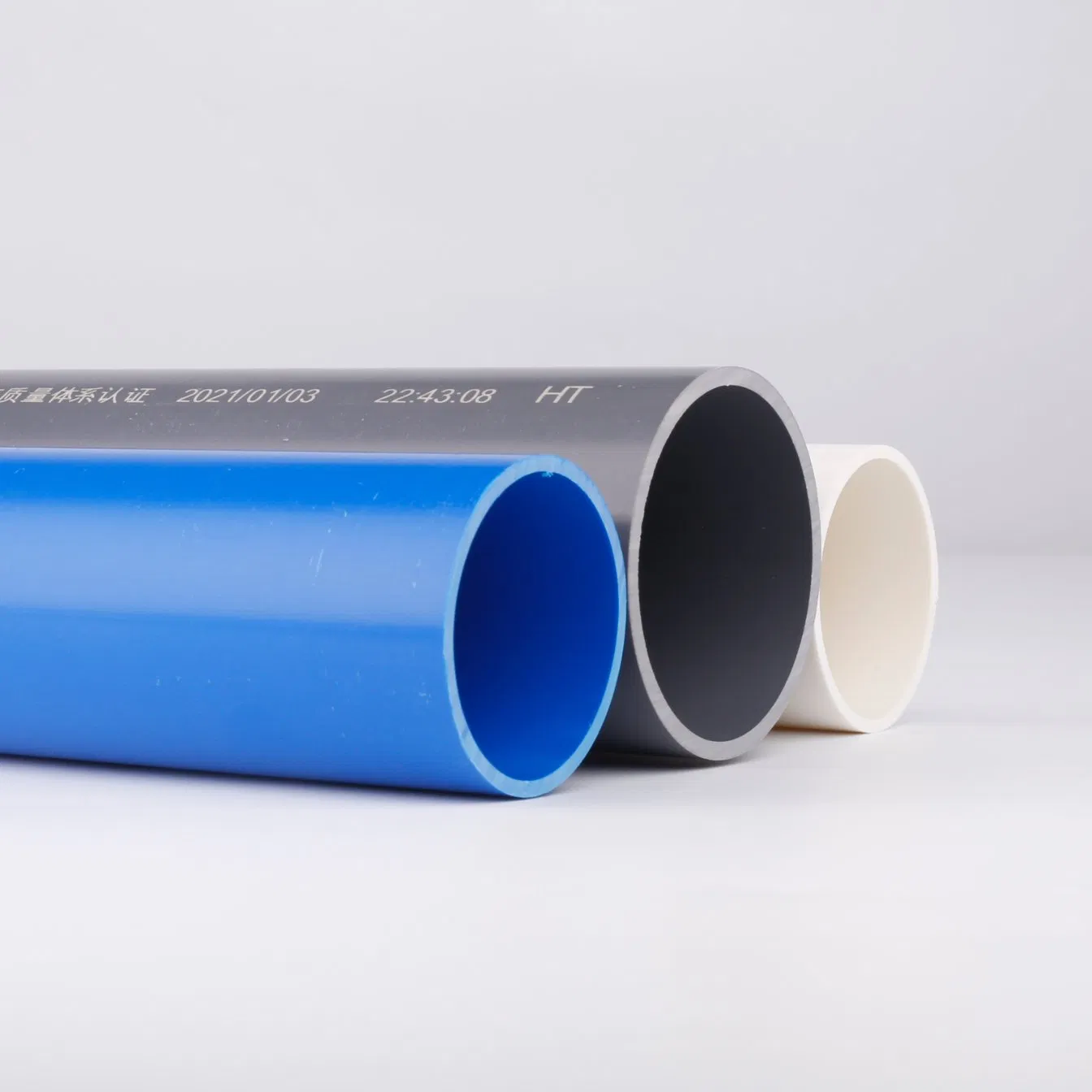
Caps for PVC Pipe
PVC (Polyvinyl Chloride) pipe is widely used in plumbing, irrigation, and industrial applications due to its durability, flexibility, and resistance to chemicals. Caps are essential components that ensure the integrity of the system by sealing joints and preventing leaks. Here's a comprehensive guide on caps for PVC pipe:
Material Properties
Composition
- Polyvinyl Chloride (PVC): The primary material, known for its strength, flexibility, and resistance to various chemicals.
- Additives: Often include stabilizers, plasticizers, and UV inhibitors to enhance durability and performance.
Physical Properties
- Durability: High resistance to impact, abrasion, and chemical corrosion.
- Flexibility: Allows for easy installation and adaptability to different shapes and sizes.
- Temperature Resistance: Typically operates well within a range of -10°C to +60°C (14°F to 140°F).
Applications
Plumbing Systems
- Water Supply: Used in residential and commercial plumbing systems to connect pipes and fixtures.
- Wastewater: Ensures proper drainage and prevents contamination.
Irrigation Systems
- Sprinkler Distribution: Sealing connections to maintain water pressure and prevent leaks.
- Drip Irrigation: Protects against water loss and ensures efficient water distribution.
Industrial Uses
- Chemical Pipelines: Safely transports various chemicals without degradation.
- HVAC Systems: Used in heating and cooling systems to manage airflow and temperature control.
Specifications
Types of Caps
- End Caps: Seal the end of a pipe to prevent leaks.
- Reducer Caps: Used to transition from one diameter to another.
- Tee Caps: Cover the open ends of tees to prevent debris entry.
- Elbow Caps: Sealed at the ends of elbow fittings.
Standard Sizes
- Schedule 40: Common size with an outer diameter of 3 inches.
- Schedule 80: Larger size with an outer diameter of 4 inches.
- Other Sizes: Available in various diameters to fit specific needs.
Installation Guidelines
Tools Needed
- PVC Cutter: For precise cutting of pipe ends.
- Primer and Solvent Cement: To prepare the pipe ends for bonding.
- Hammer or Mallet: For tapping the cap into place.
- Sandpaper: For smoothing rough edges.
Steps for Installation
- Measure and Cut: Cut the PVC pipe to the required length using a PVC cutter.
- Prepare Ends: Sand the cut ends to remove any burrs and apply primer.
- Apply Solvent Cement: Apply solvent cement to the prepared ends and allow it to become tacky.
- Attach Cap: Press the cap onto the pipe end firmly, ensuring a tight seal.
- Check for Leaks: Use soapy water to check for any leaks around the joint.
Maintenance Best Practices
Regular Inspections
- Visual Checks: Regularly inspect caps for signs of wear, cracks, or damage.
- Leak Testing: Conduct periodic leak tests to ensure the integrity of the seal.
Cleaning
- Mild Detergent: Clean the caps with a mild detergent and water to remove dirt and grime.
- Avoid Harsh Chemicals: Do not use harsh chemicals or abrasive materials that could damage the PVC.
Replacement
- Frequent Use Areas: Replace caps in high-use areas more frequently to maintain system efficiency.
- Damaged Caps: Promptly replace any caps that show signs of damage or deterioration.
By following these guidelines, you can ensure the longevity and reliability of your PVC piping system. If you have any further questions or need specific recommendations, feel free to ask!


Check buyer reviews and ratings to quickly assess product quality and service experience.
Accurate specifications, smooth surface finish, and secure packaging. Fast response and quick dispatch.
Stable tolerances and good batch consistency. Shipping was a bit slow, but support followed up promptly.
We ordered after sample approval, and the delivered goods matched the sample. Great value and we will reorder.
Documentation in English was complete and easy for overseas coordination. Suggest adding more testing reports.
Plenty of stock, reliable lead times, and quick after-sales response. Overall a great cooperation experience.
Transparent pricing and reasonable MOQ, suitable for project-based sourcing. Please add more application cases.
Compare similar items from the same supplier to simplify sourcing and bundled procurement.
caps for pvc pipe
3 pvc pipe dimensions
4 inch pvc pipe: 20 ft price
DOT-Compliant Fuel Tank Semi Trailers – Safety First, Always
Send your message to this supplier
Include product specification, quantity, destination port and packing needs to receive a faster and more accurate quotation.
Benchmark comparable offers in the market and evaluate more sourcing options.
pvc pipe bonding
pvc pipe brace
pvc pipe as fence posts
pvc pipe ball valve
pvc pipe antenna mast