
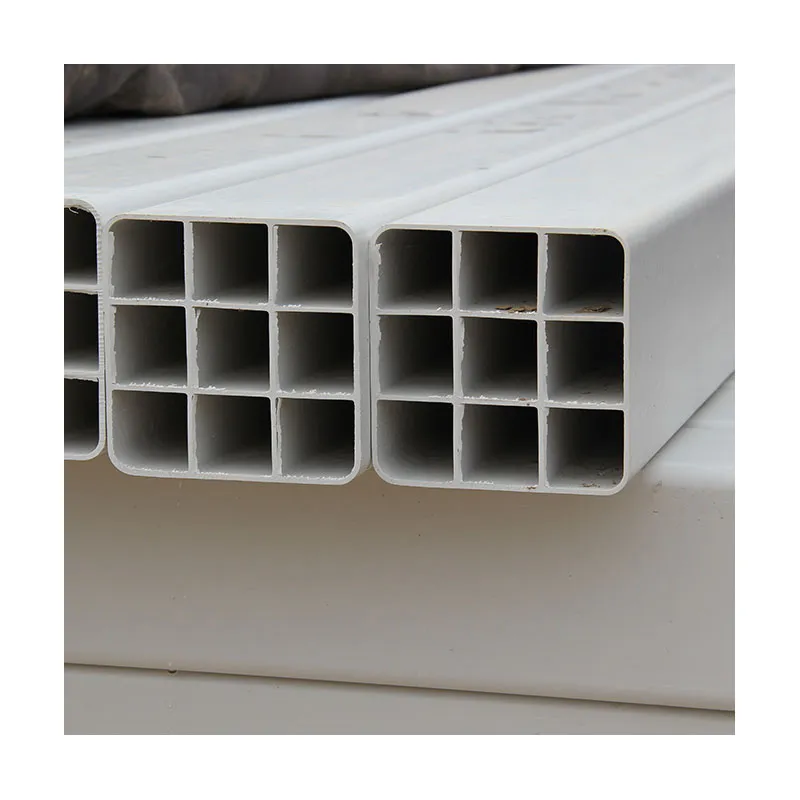


furnace pvc exhaust pipe
Detailed specification for furnace pvc exhaust pipe
Review product features, application details and supporting information below. For pricing, samples or shipping questions, use the inquiry form on this page.
Understanding and Installing PVC Exhaust Pipes for Furnaces
PVC (Polyvinyl Chloride) pipes are widely used in various applications due to their durability, ease of installation, and cost-effectiveness. When it comes to furnace exhaust systems, PVC pipes are a popular choice because of their flexibility, resistance to corrosion, and lightweight nature. Below, we'll delve into the material properties, applications, specifications, installation guidelines, and maintenance best practices of PVC exhaust pipes for furnaces.
Material Properties
Durability and Resistance
- Chemical Resistance: PVC is highly resistant to acids, alkalis, and many organic solvents.
- Corrosion Resistance: Unlike metal pipes, PVC does not corrode, ensuring longevity in harsh environments.
- Flexibility: PVC pipes can withstand thermal expansion and contraction without breaking, making them ideal for flue applications.
Thermal Properties
- Heat Resistance: While PVC has a relatively low melting point (around 200°C or 392°F), it remains stable at temperatures commonly found in furnace exhaust systems.
- Insulation: PVC pipes do not conduct heat well, which helps in maintaining the temperature of the exhaust gases.
Applications
Common Uses
- Furnace Exhaust Systems: Used to vent combustion gases from furnaces safely outside the building.
- HVAC Systems: Suitable for ductwork that carries heated air from furnaces to various rooms.
- Industrial Venting: Ideal for venting gases and fumes in industrial settings where corrosive substances are present.
Benefits
- Cost-Effective: Affordable compared to metal alternatives like steel or copper.
- Ease of Installation: Lightweight and flexible, allowing for easier handling and installation.
- Non-Conductive: Safe for electrical installations as they do not conduct electricity.
Specifications
Standard Dimensions
- Diameter Range: Typically available in diameters ranging from 1/2 inch to 6 inches.
- Wall Thickness: Varies based on application requirements; generally between 0.4 mm to 2.0 mm.
- Length: Available in standard lengths (typically up to 10 meters) or custom lengths upon request.
Pressure Ratings
- SDR (Standard Dimension Ratio): Common SDR values for PVC pipes include 11, 13.6, 21.9, etc., which indicate the pipe's ability to handle internal pressure.
- Pressure Class: PVC pipes are classified into different pressure classes such as Schedule 40, Schedule 80, etc., depending on the required strength and durability.
Installation Guidelines
Preparation
- Planning and Layout: Determine the path of the exhaust pipe from the furnace to the exterior of the building. Ensure compliance with local building codes and regulations.
- Materials Needed: Gather necessary tools and materials including PVC pipes, fittings, couplings, sealants, and support brackets.
Installation Process
- Cutting the Pipe: Use a proper cutting tool to ensure clean and precise cuts. Always wear protective gear while cutting PVC pipes.
- Joining Pipes: Use appropriate PVC connectors (such as slip joints or solvent-welded connections) to join pipes together. Follow manufacturer guidelines for proper bonding.
- Supporting the Pipe: Install supports at regular intervals to prevent sagging and ensure structural integrity. This is especially important for long runs of PVC pipe.
- Securing the Pipe: Use brackets or clips to secure the pipe to walls or ceilings. Ensure the pipe is properly aligned and level during this step.
- Testing: once the installation is complete, perform a leak test by applying water pressure to the system and checking for any signs of leakage.
Maintenance Best Practices
Regular Checks
- Inspection: Periodically inspect the PVC exhaust pipe for signs of wear, cracks, or deterioration. Pay special attention to areas where the pipe bends or connects to other components.
- Cleaning: Remove any debris or buildup inside the pipe to maintain optimal airflow. Use a brush or vacuum attachment designed for PVC pipes.
Troubleshooting
- Leaks: If a leak is detected, immediately stop using the system and address the issue. Use appropriate sealants or replace damaged sections of the pipe.
- Obstructions: Clear any obstructions that may cause blockages in the exhaust system. This can include leaves, dirt, or other debris.
Long-Term Care
- Weather Protection: Protect exposed sections of the pipe from extreme weather conditions by using insulation or weatherproofing materials.
- Annual Inspections: Conduct annual inspections to identify any potential issues early on and ensure the system operates efficiently.
By following these guidelines, you can effectively use PVC exhaust pipes for your furnace, ensuring safe and efficient operation of your heating system.


Check buyer reviews and ratings to quickly assess product quality and service experience.
Accurate specifications, smooth surface finish, and secure packaging. Fast response and quick dispatch.
Stable tolerances and good batch consistency. Shipping was a bit slow, but support followed up promptly.
We ordered after sample approval, and the delivered goods matched the sample. Great value and we will reorder.
Documentation in English was complete and easy for overseas coordination. Suggest adding more testing reports.
Plenty of stock, reliable lead times, and quick after-sales response. Overall a great cooperation experience.
Transparent pricing and reasonable MOQ, suitable for project-based sourcing. Please add more application cases.
Compare similar items from the same supplier to simplify sourcing and bundled procurement.
furnace pvc exhaust pipe
Pipe Fittings Solder Copper Fitting 90 Degree Welding Street Elbow Copper Press Fitting
Plastic Press PPSU Fitting with U Profile Tee Elbow Union for Multilayer Pipe Plumbing System
Multi-Size Copper Press Fitting Coupling Reducer Elbow for Plumbing Pipe Fittings HVAC M-Profile Wra
Factory Outlet Brass Female Thread Tee Pipe Fitting for Plumbing, Sanitation Brass Compression Fitti
Lead-Free Brass Pex Fitting Tee Elobw Reducer Coupling Adapter Pipe Fitting Plastic Plumbing Materia
China Brass Pex Pipe Fitting Tee Crimp Fitting Socket for Plumbing and PE Pipe
Brass Pipe Fitting Female Sweat Elbow Adapter for Plumbing and PE Pipe
China Manufacturer PPSU Pex Pipe Fitting 1/2 to 2 Inch Elbow Coupling Tee Connector Socket Plastic P
Pex Crimp Fitting Coupler Reducing Connector Socket Brass Fitting for Plumbing and PE Pipe
Send your message to this supplier
Include product specification, quantity, destination port and packing needs to receive a faster and more accurate quotation.
Benchmark comparable offers in the market and evaluate more sourcing options.
pvc pipe bonding
pvc pipe brace
pvc pipe as fence posts
pvc pipe ball valve
pvc pipe antenna mast