

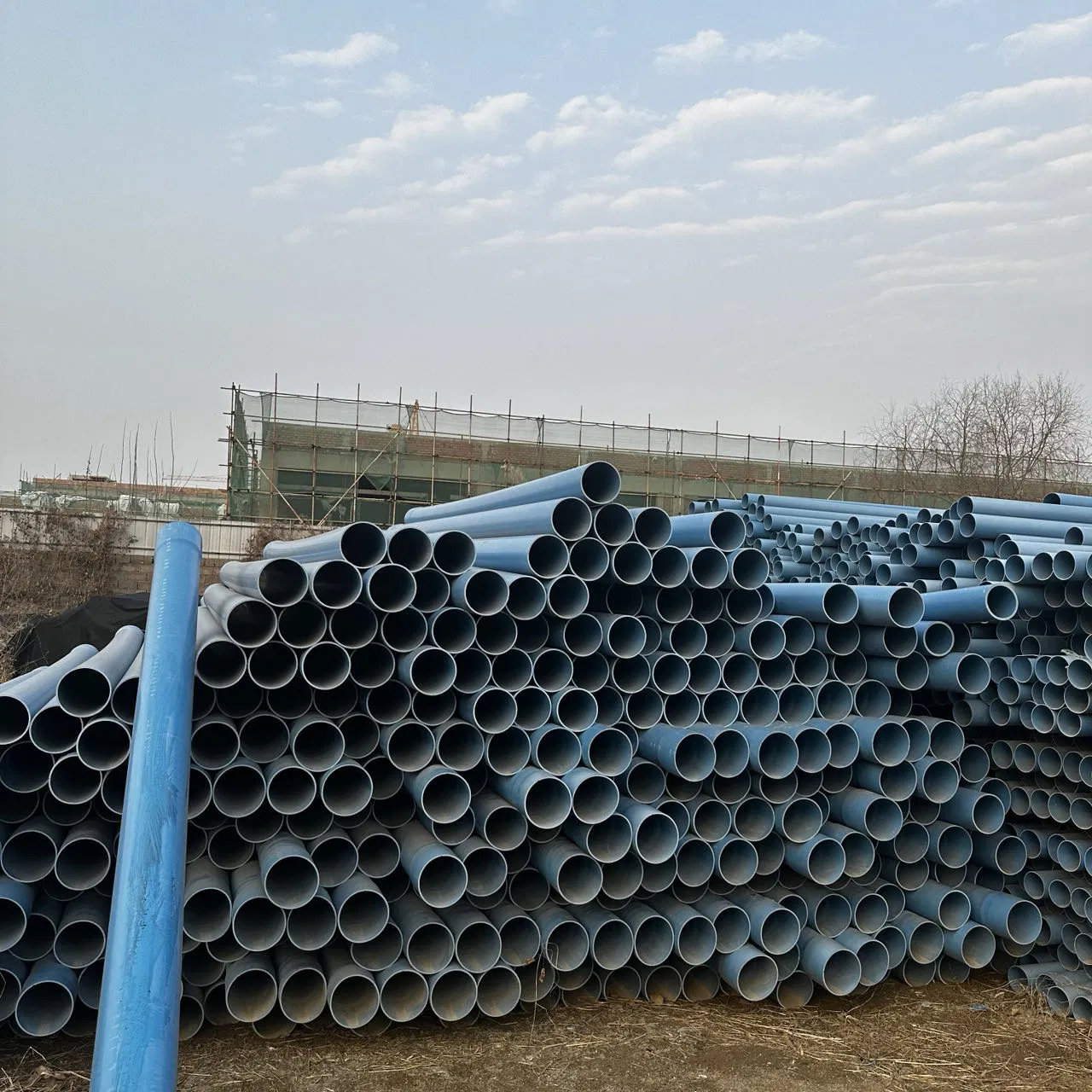


3/8 pipe pvc
Detailed specification for 3/8 pipe pvc
Review product features, application details and supporting information below. For pricing, samples or shipping questions, use the inquiry form on this page.
Overview of 3/8" PVC Pipe: Material Properties, Applications, and Best Practices
3/8" PVC (Polyvinyl Chloride) pipe is a small-diameter plastic piping solution widely used in low-pressure fluid transfer, irrigation, and specialty industrial systems. Unlike metal pipes, it is lightweight, corrosion-resistant, and cost-effective—making it a preferred choice for compact, non-critical applications. Below is a detailed breakdown of its core attributes, specifications, and practical guidelines.
1. Key Material Properties of 3/8" PVC Pipe
PVC’s inherent chemical and physical properties make 3/8" pipe suitable for specific environments. These properties directly influence its performance in different applications:
- Chemical Resistance: PVC is inert to most acids, bases, salts, and organic solvents. It is ideal for transporting water, dilute chemicals, or food-grade liquids without corrosion or contamination.
- Durability: It resists rust, rot, and biological degradation, ensuring a long service life (25–50 years) in indoor or protected outdoor settings.
- Temperature Limits: PVC has a maximum operating temperature of approximately 140°F (60°C). Prolonged exposure to higher temperatures can warp the pipe and compromise structural integrity.
- Mechanical Strength: While rigid PVC is moderately strong, it is less impact-resistant than metal. It can withstand low to moderate mechanical stress (e.g., light handling) but requires support to prevent sagging or breakage under load.
- Lightweight and Easy to Handle: 3/8" PVC pipe is significantly lighter than metal equivalents, reducing installation labor and transportation costs.
2. Common Applications for 3/8" PVC Pipe
Due to its small diameter and versatility, 3/8" PVC pipe is used in niche residential, commercial, and agricultural systems. Key applications include:
- Residential Plumbing:
- Low-pressure water supply for small fixtures (e.g., under-sink lines for water dispensers or small ice makers).
- Drainage systems for compact appliances like portable washing machines.
- Irrigation Systems:
- Drip irrigation for gardens, greenhouses, or potted plants.
- Feeder lines for sprinkler systems in small lawns.
- Industrial and Specialty Uses:
- Compressed air lines for light-duty tools (e.g., airbrushes, small pneumatic devices).
- Chemical transfer for laboratory or light industrial processes (e.g., conveying dilute acids or cleaning solutions).
- DIY Projects:
- Aquarium filtration lines, aquaponics systems, or custom fluid-handling setups due to its ease of cutting and joining.
3. Specifications for 3/8" PVC Pipe
To ensure compatibility with fittings and system requirements, 3/8" PVC pipe is defined by standardized specifications. The two primary dimensions to consider are nominal size and actual outside diameter (OD)—a critical distinction for selecting fittings:
- Nominal Pipe Size (NPS): 3/8" (this is the reference size, not the physical dimension).
- Outside Diameter (OD): For 3/8" PVC pipe, the OD is 0.675 inches (17.15 mm)—this is the measurement that matching fittings are designed for.
- Wall Thickness and Pressure Rating:
- PVC pipe uses Schedule 40 and Schedule 80 as standard wall thickness categories. For 3/8" pipe:
- Schedule 40: Wall thickness ≈ 0.095 inches; Pressure rating ≈ 450 PSI (at 73°F, for water).
- Schedule 80: Wall thickness ≈ 0.126 inches; Pressure rating ≈ 600 PSI (at 73°F, for water).
- The pressure rating decreases as temperature increases (e.g., a Schedule 40 pipe rated for 450 PSI at 73°F drops to ~300 PSI at 140°F).
- PVC pipe uses Schedule 40 and Schedule 80 as standard wall thickness categories. For 3/8" pipe:
- Material Standards: 3/8" PVC pipe complies with industry standards, including:
- ASTM D1784: Specifies the physical and chemical requirements for rigid PVC compounds.
- NSF/ANSI 61: Certifies the pipe for potable water use (if labeled as such), ensuring it does not leach harmful chemicals.
4. Installation Guidelines for 3/8" PVC Pipe
Proper installation is critical to prevent leaks, pressure loss, or pipe failure. Follow these step-by-step best practices:
4.1 Pre-Installation Preparation
- Tool Requirements:
- PVC cutter or hacksaw (to cut the pipe cleanly without burrs).
- Deburring tool or sandpaper (to smooth rough edges after cutting).
- PVC primer and cement (solvent cement, specifically formulated for PVC).
- Measuring tape and marker (for accurate cutting).
- Pipe and Fitting Prep:
- Verify the pipe is clean and free of debris. Wipe the end with a dry cloth to remove dust.
- Ensure fittings are compatible (e.g., 3/8" OD female/male adapters, unions, or couplings) and match the pipe's schedule (40 or 80).
4.2 Step-by-Step Assembly
- Cut the Pipe: Measure the required length and cut the pipe squarely using a PVC cutter or hacksaw. A clean, straight cut ensures a tight seal.
- Deburr the Ends: Use a deburring tool or sandpaper to remove burrs from the cut edge. Burrs can prevent the pipe from seating fully into the fitting and cause weak joints.
- Prime the Pipe and Fittings: Apply PVC primer to the outer surface of the pipe (1–2 inches from the end) and the inner surface of the fitting. This softens the PVC surface for better adhesion.
- Apply Cement: Evenly apply PVC solvent cement to the primed areas. Avoid over-applying—thick layers can create excess material that clogs the pipe.
- Join the Pipe and Fitting: Insert the pipe into the fitting with a slight twisting motion, pushing it until the pipe reaches the fitting’s shoulder. Hold for 10–15 seconds to prevent the pipe from slipping out.
- Allow Cement to Cure: The cement requires time to dry and bond fully. For most solvent cements:
- Initial set time: 15–30 minutes (the joint can be handled carefully).
- Full cure time: 24 hours (the joint reaches maximum strength and pressure resistance).
- Support the Pipe: Secure the pipe with pipe hangers every 3–4 feet for horizontal runs to prevent sagging. For vertical runs, support at the base and every 6–8 feet.
5. Maintenance Best Practices for 3/8" PVC Pipe
PVC pipe requires minimal maintenance due to its corrosion resistance, but proactive care extends its lifespan and prevents system issues:
- Regular Inspections:
- Check for leaks at joints (the most common failure point) every 6–12 months. Look for wet spots, mold, or reduced fluid pressure.
- Inspect for physical damage (e.g., cracks from impact, warping from heat) in visible sections of the pipe.
- Cleaning:
- For water lines: Flush the pipe annually with a food-grade vinegar solution to remove mineral deposits. Avoid harsh abrasive cleaners, as they can scratch the PVC surface.
- For chemical lines: Rinse the pipe with a compatible solvent (matching the transported chemical) after each use to prevent residue buildup.
- Temperature Protection:
- Keep the pipe away from direct sunlight in outdoor applications—UV radiation can degrade PVC over time. Use UV-resistant PVC pipe (labeled as "UV-rated") for exposed installations, or wrap existing pipe with UV-protective tape.
- Avoid exposing the pipe to temperatures above 140°F (60°C). Insulate the pipe if it runs near hot water lines or heating equipment.
- Leak Repair:
- For small leaks at joints: Apply additional PVC cement after cleaning the area and letting it dry.
- For leaks in the pipe body: Cut out the damaged section and replace it with a new piece of pipe, secured with couplings.
- Pressure Management:
- Never exceed the pipe’s pressure rating. Install a pressure regulator if the system’s source pressure is higher than the pipe’s rated capacity (e.g., use a regulator for Schedule 40 pipe if the source pressure exceeds 450 PSI).
6. Key Considerations for Choosing 3/8" PVC Pipe
Before selecting 3/8" PVC pipe, confirm it aligns with your system’s requirements:
- Pressure Needs: Choose Schedule 80 for moderate-pressure systems (e.g., compressed air) and Schedule 40 for low-pressure systems (e.g., drip irrigation).
- Potable Water Use: only select pipe labeled NSF/ANSI 61-certified for drinking water systems.
- Environment: Use UV-rated pipe for outdoor installations; avoid PVC in areas with extreme cold (below freezing) unless the pipe is rated for freezing conditions (or insulated to prevent ice formation).
By following these guidelines, you can ensure reliable performance from 3/8" PVC pipe across its intended applications—combining efficiency, durability, and cost-effectiveness.


Check buyer reviews and ratings to quickly assess product quality and service experience.
Accurate specifications, smooth surface finish, and secure packaging. Fast response and quick dispatch.
Stable tolerances and good batch consistency. Shipping was a bit slow, but support followed up promptly.
We ordered after sample approval, and the delivered goods matched the sample. Great value and we will reorder.
Documentation in English was complete and easy for overseas coordination. Suggest adding more testing reports.
Plenty of stock, reliable lead times, and quick after-sales response. Overall a great cooperation experience.
Transparent pricing and reasonable MOQ, suitable for project-based sourcing. Please add more application cases.
Compare similar items from the same supplier to simplify sourcing and bundled procurement.
3/8 pipe pvc
vent caps for pvc pipe
pvc pipe drill
how to connect water hose to pvc pipe
pvc pipe handrail
how to connect two pvc pipes
Premium ABS Resin for Versatile Industrial Manufacturing Solutions
ABS Plastic Particles, Plastic Material Particles
High Quality Impact-Resistant Wear-Resistant ABS Engineering Plastic - for Mechanical Parts
Send your message to this supplier
Include product specification, quantity, destination port and packing needs to receive a faster and more accurate quotation.
Benchmark comparable offers in the market and evaluate more sourcing options.
pvc pipe bonding
pvc pipe brace
pvc pipe as fence posts
pvc pipe ball valve
pvc pipe antenna mast