
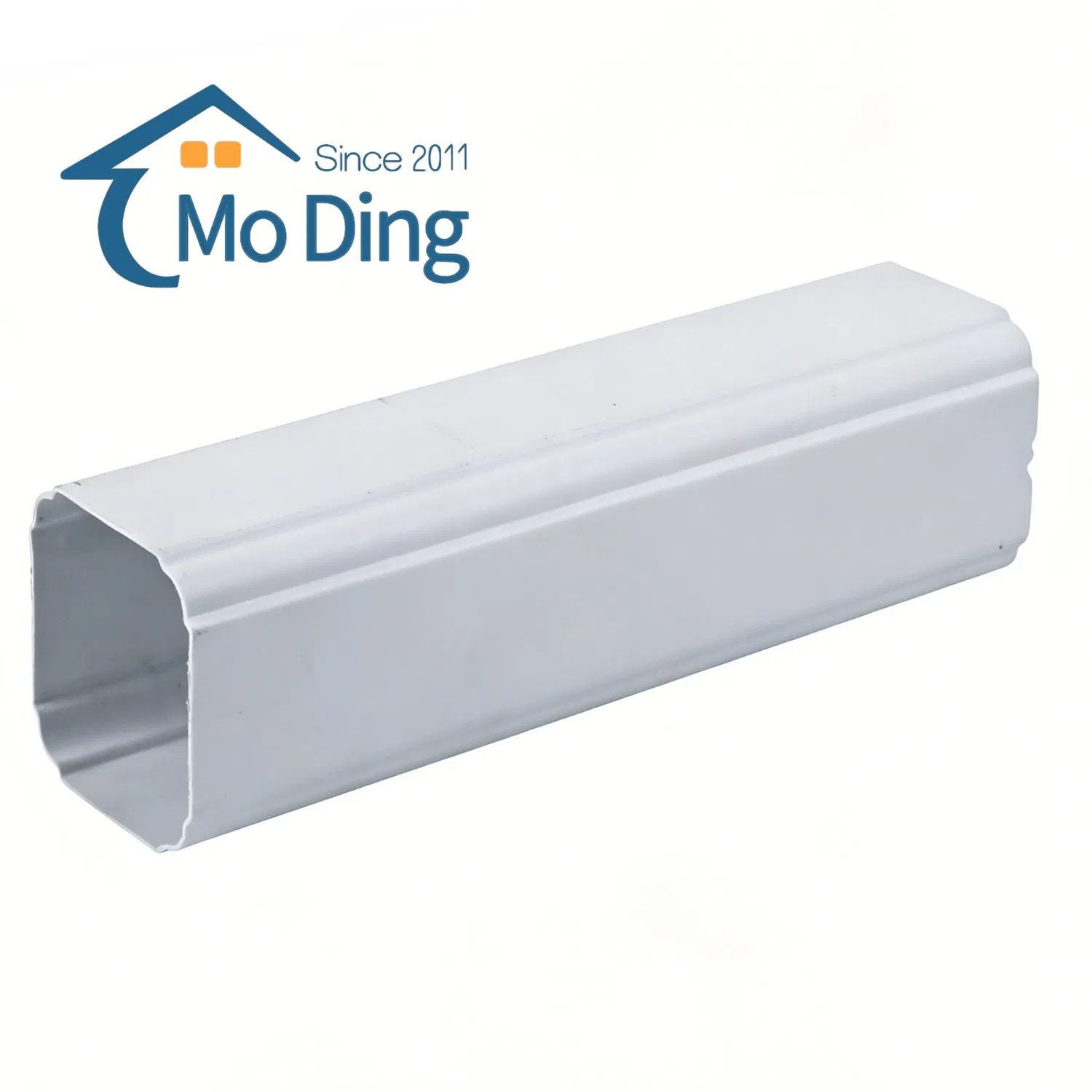

High-Quality PVC Gutter Pipe for Reliable Roof Water Management
Detailed specification for High-Quality PVC Gutter Pipe for Reliable Roof Water Management
Review product features, application details and supporting information below. For pricing, samples or shipping questions, use the inquiry form on this page.
| Model NO. | pipe |
| Material | PVC |
| Kind | Drainage System |
| Water Absorption | 0.12%~0.25% |
| Contraction Percentage | 1.0%~2.5% |
| Tensile Strength | 51~80MPa |
| OEM ODM | Workable |
| Certification | Follow The Buyer's Standard |
| Transport Package | Carton+ Pallet |
| Specification | 120x100x120 |
| Trademark | Wandy |
| Origin | China |
| HS Code | 391723 |
| Production Capacity | 100000 PCS /Week |
All-in-One Roof Solution: Durable PVC Drainage Pipe
Mo Ding's PVC drainage pipes offer a complete solution for effective rooftop water management. Designed for modern construction needs, our pipes combine strength, weather resistance, and easy installation to ensure reliable performance in all climates. Whether used in residential, commercial, or industrial settings, Mo Ding's durable PVC pipes prevent water accumulation, protect building foundations, and support long-term drainage efficiency.
Key Benefits:
High-impact and UV-resistant PVC material
Smooth inner walls for fast water flow
Corrosion-free and maintenance-friendly
Lightweight and easy to install
Compatible with Mo Ding's full gutter and downspout systems
Mo Ding PVC Drainage Pipe - Technical Specifications
1. Raw Material - uPVC Resin
Property Specification
2. Finished Product - Mo Ding PVC Drainage Pipe
Property Specification
3. Environmental & Compliance Information
Property Details
1. Material Sourcing
PVC Resin: Ensure you are sourcing high-quality PVC resin that meets industry standards. The resin should be durable, resistant to weather conditions, and UV-stable.
Additives: PVC gutters often contain additives like stabilizers (to resist UV rays), plasticizers (for flexibility), and impact modifiers. Ensure these are selected properly to optimize the performance of your product.
2. Design and Prototyping
Customization: Depending on customer requirements, you might need to create different designs and sizes (e.g., standard gutters, fascia brackets, elbows). Design your gutter profiles and accessories accordingly.
Prototyping: Before mass production, create prototypes and test them for functionality, durability, and ease of installation. Prototypes allow you to identify potential issues in design.
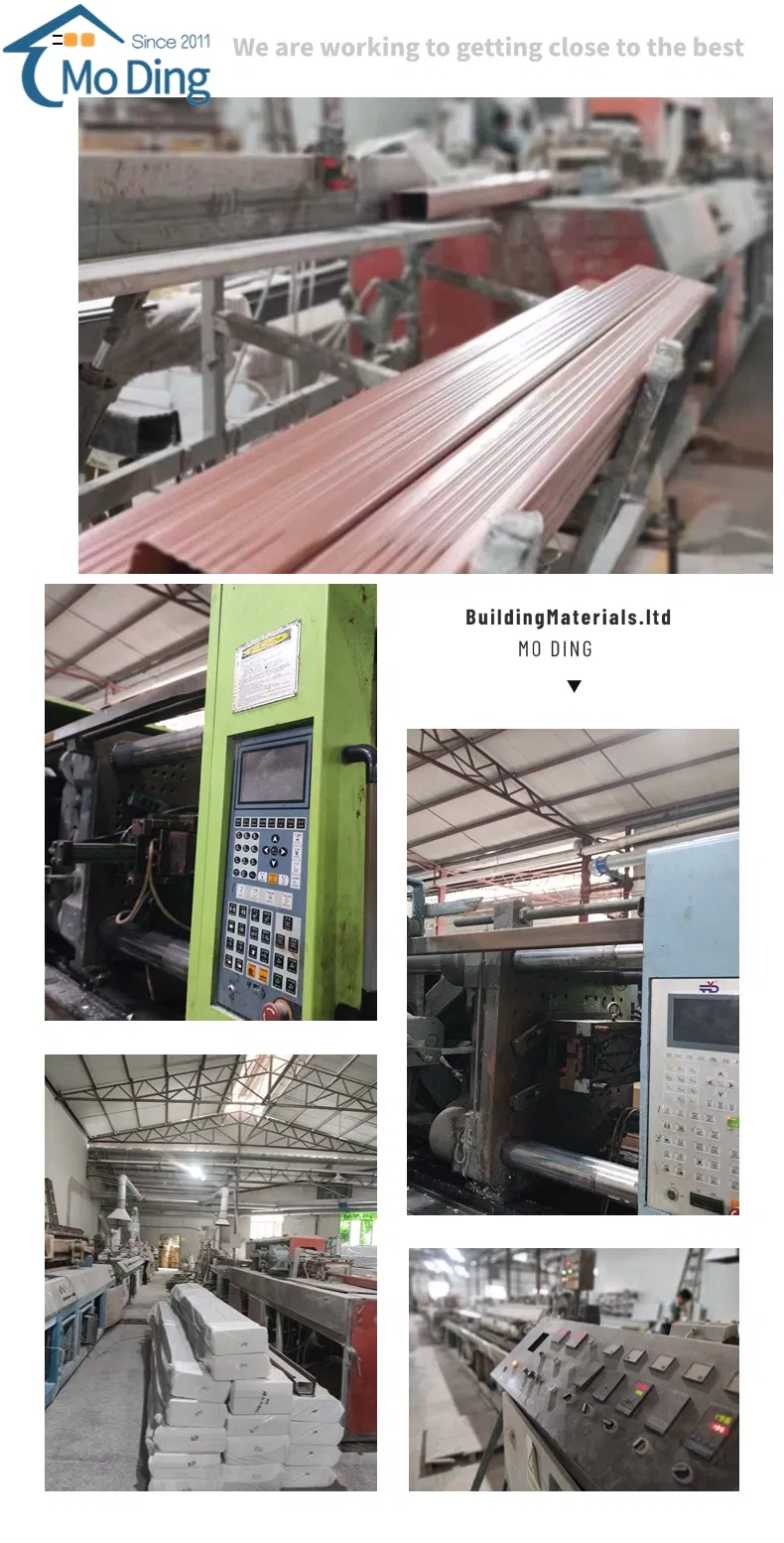
3. Manufacturing Process
Extrusion: Most PVC gutters are made via the extrusion process, where heated PVC material is forced through a mold to form long, continuous sections of gutters.
Tooling: Ensure your extruder machine is calibrated and your molds are in good condition to prevent defects.
Temperature Control: Maintaining proper temperature settings is key for consistent thickness and quality.
Injection Molding: For accessories like gutter hangers, elbows, or end caps, injection molding may be used. Ensure precise molding equipment for these parts.
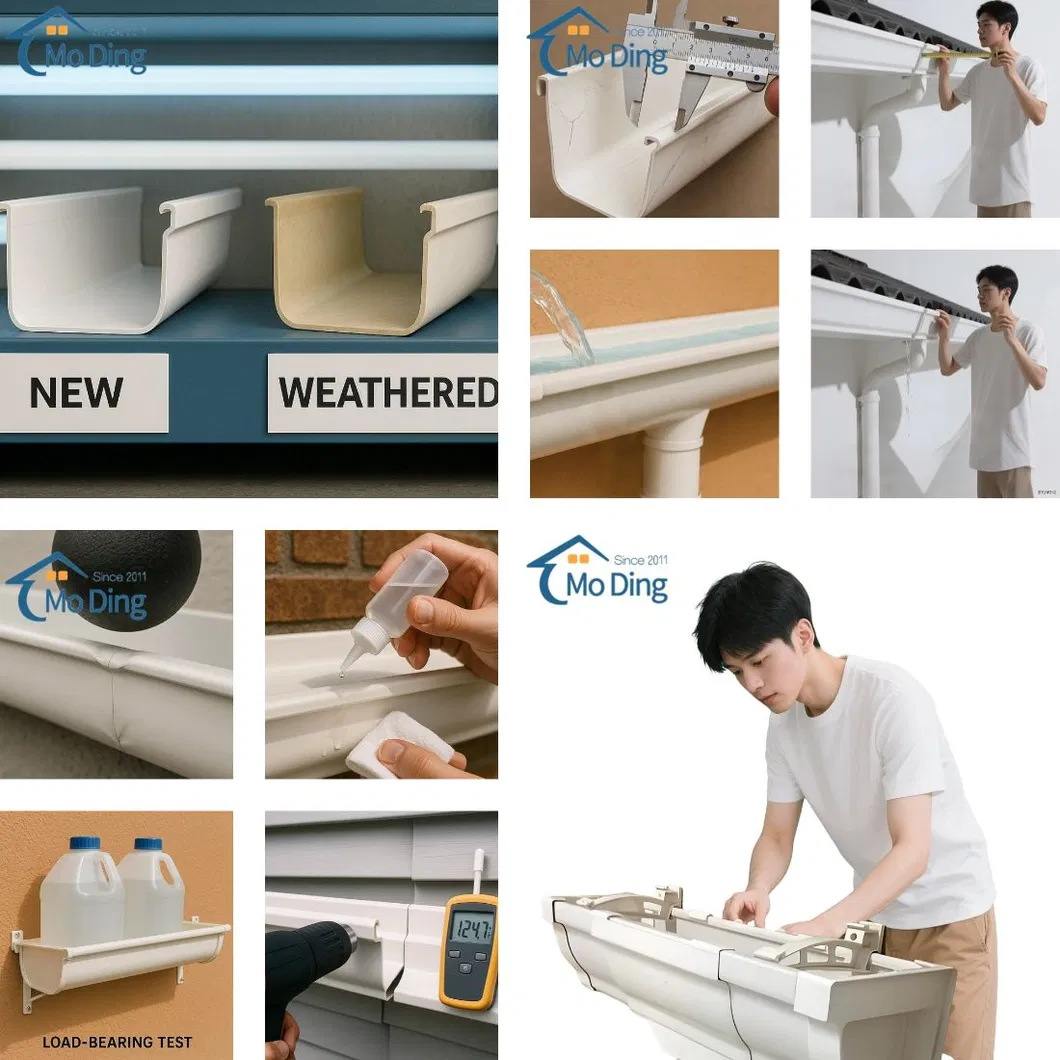
4. Quality Control
Dimensional Inspection: Regularly check the dimensions of the gutters to ensure they meet the required specifications.
Strength Tests: Test the durability of the material, including bending and impact tests, to ensure the PVC gutter hangers and other components can withstand typical weather conditions.
UV Testing: To verify UV resistance, subject products to accelerated aging tests. This will ensure the gutters won't degrade or discolor after prolonged exposure to sunlight.
Leak Test: Test gutter joints to make sure they're properly sealed and don't leak when water is running through them.
5. Logistics and Distribution
Inventory Management: Use efficient inventory management to track raw materials, production schedules, and finished products. You want to make sure you have enough raw materials to meet demand without overstocking.
Packaging: Packaging should protect the gutters during transportation. It should also be easy for the end customer to open and install the product.
Shipping: Optimize shipping logistics to minimize costs and improve delivery times. Ensure gutters are stored in a way that prevents warping or damage.
6. Customer Feedback and Improvement
Monitoring Performance: After installation, monitor how well the product performs. Are customers experiencing issues like sagging, leaks, or discoloration? Customer feedback is crucial to making adjustments and improving the product.
Continuous Improvement: Regularly assess production efficiency, quality control measures, and customer feedback to implement improvements. Automation in the production process, if feasible, can also help improve consistency and reduce costs.
7. Compliance and Certifications
Ensure your PVC gutter products meet local building code requirements and environmental standards.
If necessary, get your product certified for specific standards like ASTM, ISO, or other regional certifications for quality and safety.
Key Factors to Keep in Mind:
Efficiency: Streamline production processes to keep costs down while maintaining quality. Invest in technology and training for workers.
Environmental Impact: As sustainability becomes a bigger issue, consider adopting eco-friendly practices like recycling scrap PVC or using recyclable packaging materials.
Customer Service: Offer support for installation or repairs and keep a line open for customer feedback.
 1. Raw Material Quality
Checkpoints:
Verify the purity and consistency of PVC resin.
Confirm the correct formulation of PVC with appropriate stabilizers, plasticizers, lubricants, and colorants.
Check for contamination, moisture, or improper mixing.
Tests:
Visual inspection
Melt flow index test
Lab testing for impact resistance and UV stability
2. Extrusion Parameters
Checkpoints:
Monitor and control barrel temperature, screw speed, and die pressure.
Ensure the correct pipe die and calibrator are installed and aligned.
Targets:
Uniform melt flow and consistent pipe wall thickness
Smooth, cylindrical shape with no sagging or deformation
QC Actions:
Record process parameters for every production run
Inspect the pipe surface continuously for bubbles, streaks, or voids
3. Dimensional Accuracy
Checkpoints:
Measure pipe outer diameter, wall thickness, and roundness
Tools:
Calipers, ultrasonic thickness gauges, micrometers, go/no-go rings
Tolerance:
Typically ±0.2 mm to ±0.5 mm depending on pipe diameter and application
4. Mechanical Strength
Checkpoints:
Ensure pipes can withstand internal pressure and external load without failure
Tests:
Hydrostatic pressure test (short and long term)
Impact resistance test
Flattening/crush test (for certain pipe types)
5. Surface Finish
Checkpoints:
Pipe surface must be smooth, with specified finish (glossy or matte), free from scratches, marks, or discoloration
Defects to Avoid:
Cracks, warping, sink marks, surface voids, weld lines, and contamination
6. Joint/Fitting Compatibility
Checkpoints:
Confirm that pipe ends fit with standard fittings (socket/spigot or threaded ends)
Check chamfering and socket fusion quality (if applicable)
Tests:
Fit test with standard couplings or sockets
Leak test after joint assembly (if factory-integrated)
7. UV and Weather Resistance
Checkpoints:
For outdoor applications, confirm presence of UV stabilizers
Tests:
Accelerated weathering test (e.g., QUV)
UV color stability and surface chalking resistance
8. Slotting/Drilling Accuracy (if applicable)
Checkpoints:
For perforated or slotted pipes (e.g., drainage or casing pipes), verify accurate positioning and clean cuts
Tools:
Templates, measuring jigs, tapes
Tolerance:
Positional accuracy within ±1 mm
9. Final Inspection and Packaging
Checkpoints:
Final visual inspection for surface and dimensional defects
Check total length, labeling, and product markings
Count quantity per bundle or pallet
Packaging QC:
Use proper stacking methods, protective films, and strapping to avoid deformation or damage during storage/transport
10. Documentation and Traceability
Maintain:
Batch production and test records
QC inspection reports
Operator logbooks
Non-conformance and corrective action records
PVC Pipe - Quality Testing Standards
Test Applicable Standard Purpose Weathering (UV Exposure) ASTM D2565 Evaluates the pipe's resistance to UV degradation for outdoor applications. Tensile Strength ASTM D638 Measures the pipe's ability to withstand pulling forces. Flexural Strength ASTM D790 Determines the pipe's resistance to bending or flexural stress. Impact Resistance ASTM D256 Assesses durability under sudden impact or force. Colorfastness / Fade Resistance ISO 105-B02 Tests color stability and resistance to fading from sunlight/UV exposure. Dimensional Stability ASTM D2126 (recommended) Checks for changes in dimensions under heat and humidity conditions.
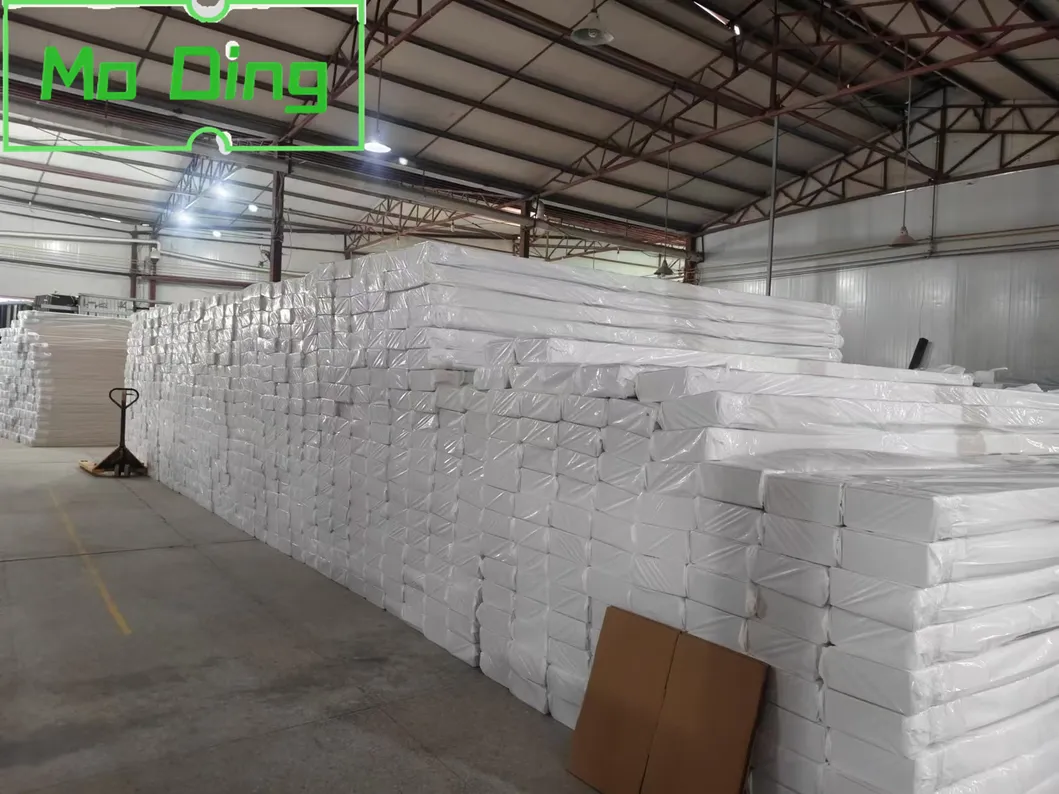
PVC Pipe Packing and Delivery Guidelines
1. Preparation and Materials Needed
PVC pipes (clean and dry)
Bubble wrap or foam padding
Stretch film or shrink wrap
Corrugated cardboard or protective corner guards
Zip ties or packing tape
Strong strapping (if bundling)
Wooden crate or heavy-duty cardboard box (for long-distance or bulk shipping)
Pallet (optional for large orders)
2. Packing Process
a. Clean and Inspect
Ensure all pipes are clean, dry, and free of any visible defects before packing.
b. Bundle Pipes
Group pipes of the same length and diameter together.
Nest pipes (if design allows) to save space and reduce movement during transit.
Use zip ties or strapping to securely bundle pipes-ensure they are tight but not so much as to cause bending or warping.
c. Protect Edges and Surfaces
Wrap each bundle of pipes with bubble wrap or foam padding for added protection.
Use protective cardboard or corner guards at the ends of the pipes to prevent crushing or impact damage.
d. Wrap Entire Bundle
once bundled and protected, wrap the entire set of pipes tightly with stretch film or shrink wrap to hold everything in place and prevent shifting.
3. Delivery Guidelines
a. Label Clearly
Use clear, water-resistant labels on all packages.
Include any necessary handling instructions, such as "Fragile," "Do Not Stack," or "This Side Up," to ensure proper handling during transit.
b. Load Strategically
When loading onto transport vehicles, place bundles flat and evenly supported.
Avoid stacking anything heavy on top of PVC pipes to prevent damage.
For longer pipes (typically over 10ft), ensure the vehicle has the necessary support for such lengths, and utilize appropriate tie-down points to secure them in place.
c. Use Pallets (For Bulk Orders)
Stack pipe bundles evenly on a pallet to maintain balance and prevent shifting.
Secure the bundles to the pallet with strong strapping to ensure stability during transit.
For bulk orders, wrap the entire pallet with shrink film to protect it during shipping, especially when using freight carriers.
Applications of PVC Pipes in Building Construction
1. Plumbing Systems
Primary Function: PVC pipes are used extensively in plumbing systems to transport water for residential, commercial, and industrial buildings.
Prevents: Leaks, corrosion, and scaling often associated with metal pipes. They ensure efficient water supply and drainage.
2. Wastewater and Sewerage Systems
PVC pipes are ideal for both wastewater drainage and sewer systems due to their resistance to chemical corrosion and ability to handle waste without degradation.
Commonly used for carrying sewage and stormwater, ensuring hygienic and efficient disposal.
3. Electrical Conduits
PVC pipes are commonly used to encase electrical wires in construction, protecting the wires from physical damage, moisture, and temperature fluctuations.
Flexible and durable, they are a safe choice for underground or overhead wiring.
4. Irrigation Systems
PVC pipes are also widely used for irrigation in landscaping, agriculture, and golf courses.
Provide a cost-effective solution for distributing water across large areas.
5. Ventilation Systems
In large buildings, PVC pipes can be used in HVAC systems to channel air or drain condensates from air conditioning units.
Their smooth interior surface reduces air resistance, promoting efficient airflow.
6. Fire Sprinkler Systems
PVC pipes can be part of fire suppression systems due to their ability to withstand high pressures and provide reliable water flow in case of fire emergencies.
7. Gas Distribution Systems
In certain applications, specially rated PVC pipes are used to safely transport non-corrosive gases in residential or industrial settings.
8. Rainwater Harvesting Systems
PVC pipes are often integrated into rainwater harvesting systems to transport collected rainwater from gutters to storage tanks.
They are durable and help maintain the cleanliness of harvested water when paired with proper filtration systems.
9. Foundation Drainage
PVC pipes are frequently employed for sub-surface drainage around building foundations to prevent water buildup that can lead to foundation cracks or flooding.
10. Aesthetic and Design Considerations
PVC pipes are available in a variety of sizes and colors, allowing them to be discreetly incorporated into the building design while maintaining functionality.
Accessories and Their Applications
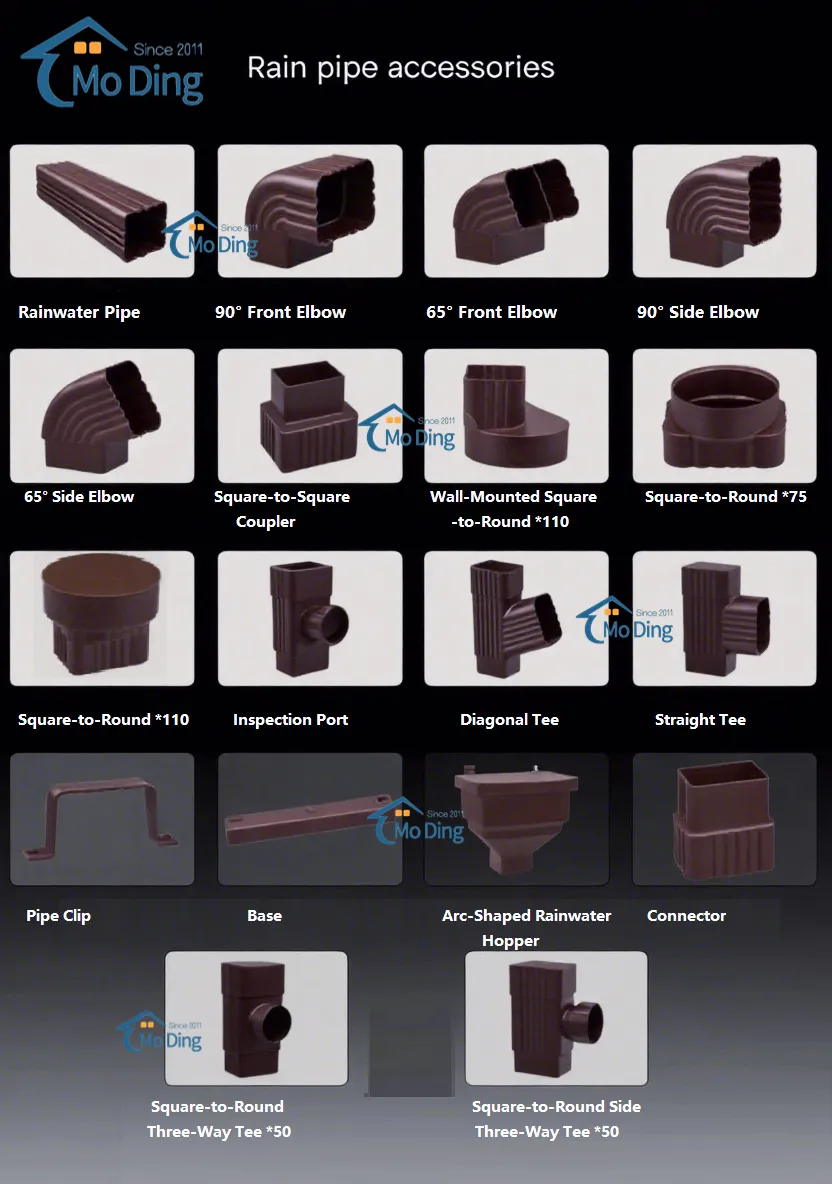
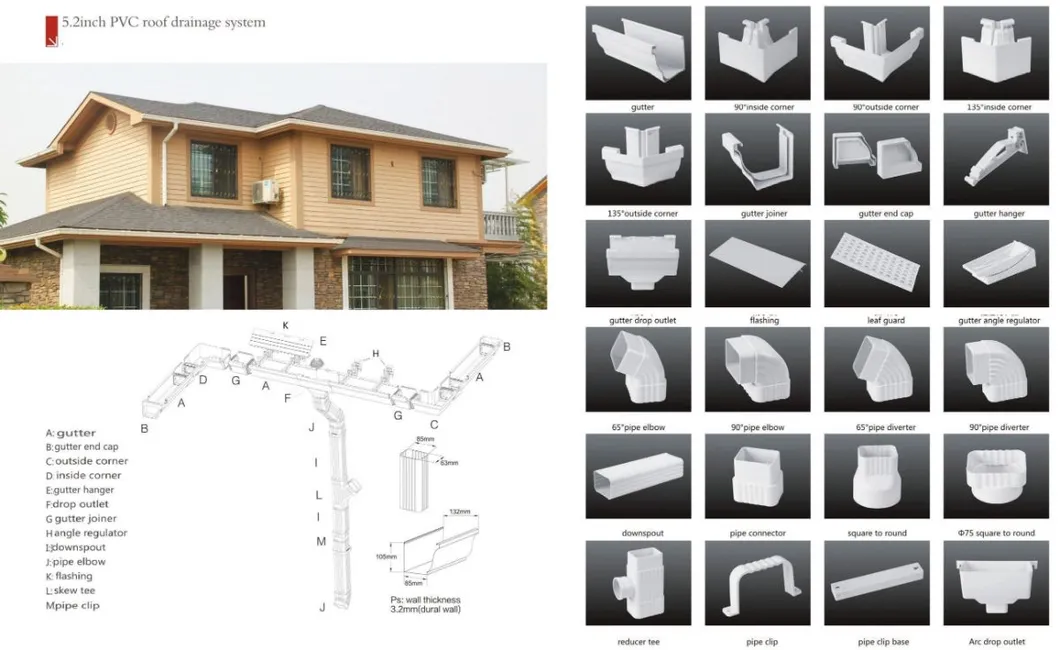
Accessory Function / Application
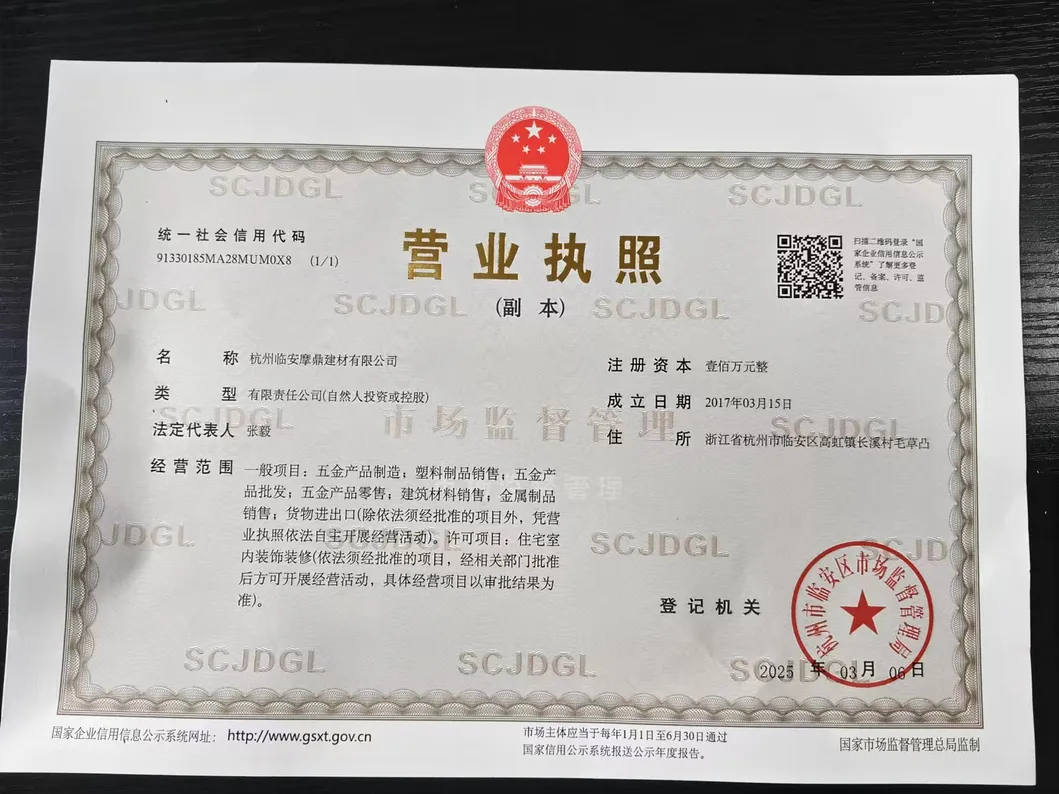
Introduction to Services Offered by Hangzhou Lin'an Mo Ding Building Materials Co., Ltd.
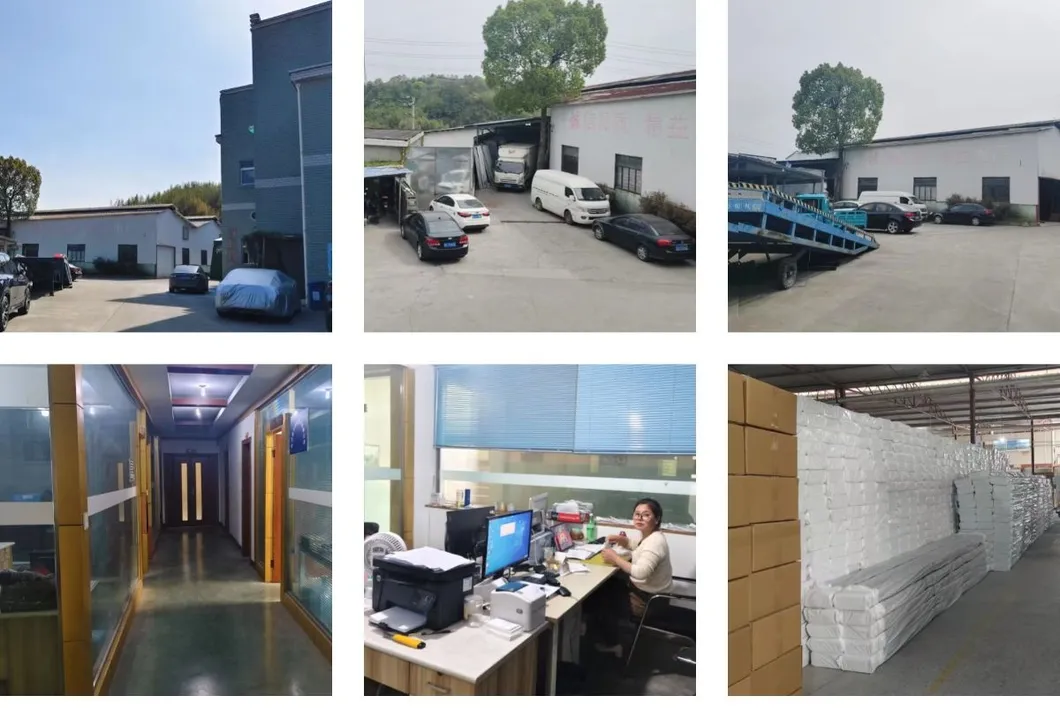
Founded in 2011 and based in Gaohong Industrial Park, Hangzhou Lin'an Mo Ding Building Materials Co., Ltd. is a high-tech enterprise specializing in the research, development, production, sales, and technical support of advanced building materials. The company is a recognized leader in high-performance drainage systems and eco-friendly construction solutions.
Mo Ding offers a comprehensive range of products and services, including PVC and aluminum alloy drainage systems, wall and ceiling panels, and a full suite of components designed for durability and environmental sustainability. Its flagship product-the Ward high-performance rainwater system-features innovative design and materials that deliver twice the drainage efficiency and exceptional resistance to harsh weather conditions.
The company provides end-to-end solutions, from design consultation and technical guidance to installation and after-sales service. With a strong commitment to quality, Mo Ding adheres to ISO 9001 standards and offers certified, lead-free products that support green building initiatives. Serving both domestic and international markets, Mo Ding partners with architects and developers to deliver stylish, long-lasting, and leak-free drainage solutions for residential, commercial, and landmark projects.
Driven by innovation and sustainable development, Mo Ding continues to expand its global presence and strives to be a leading brand in green building materials.
Compare similar items from the same supplier to simplify sourcing and bundled procurement.
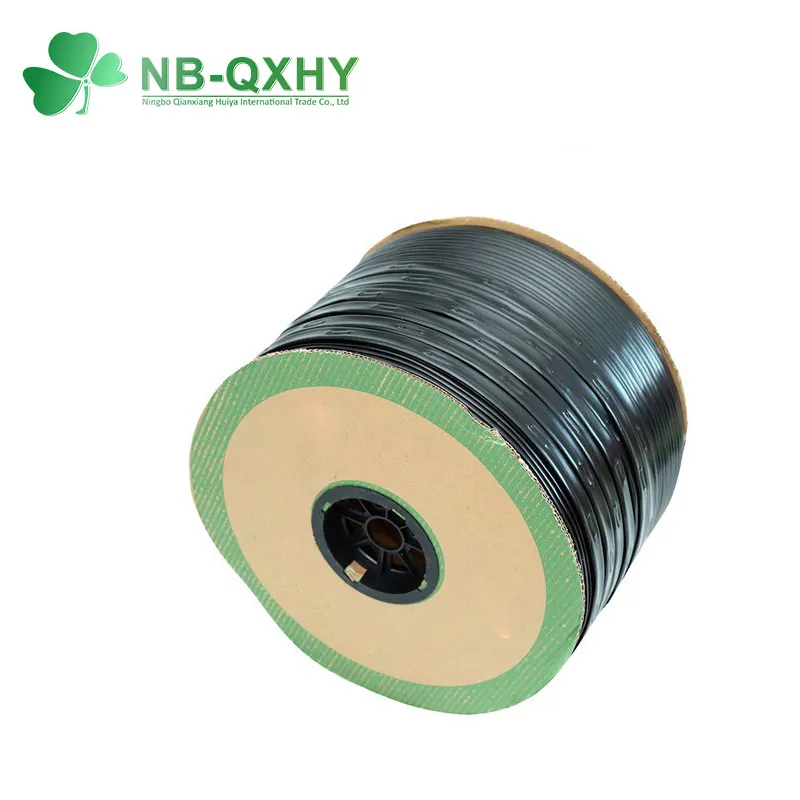
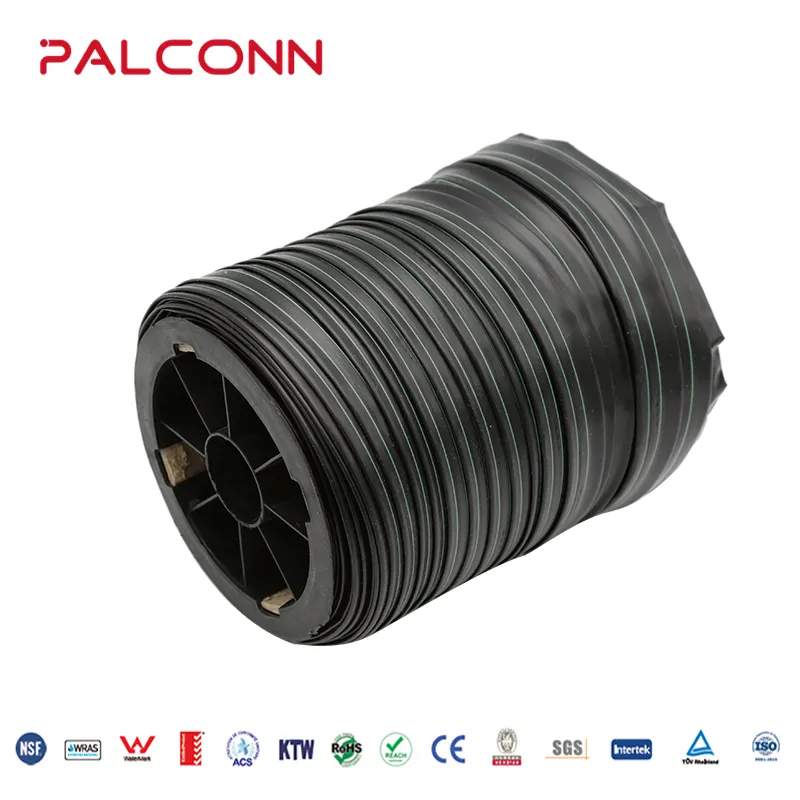
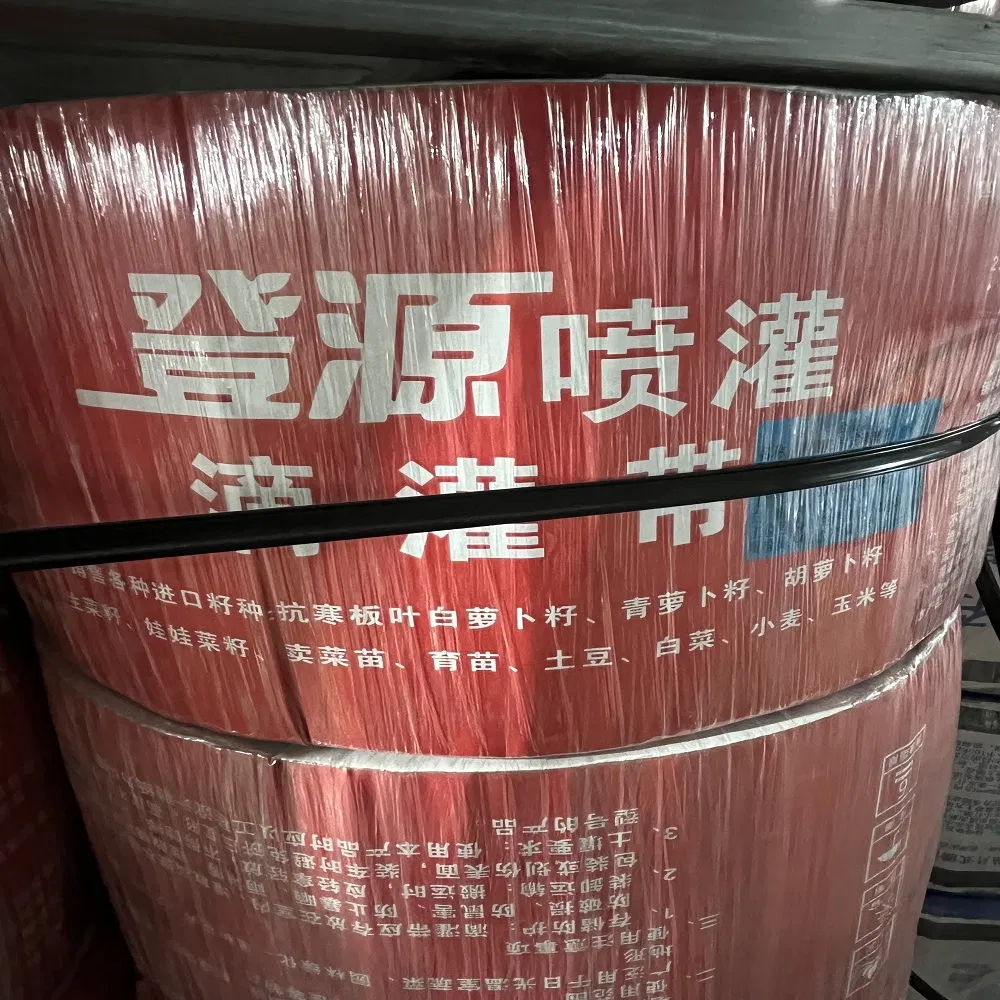

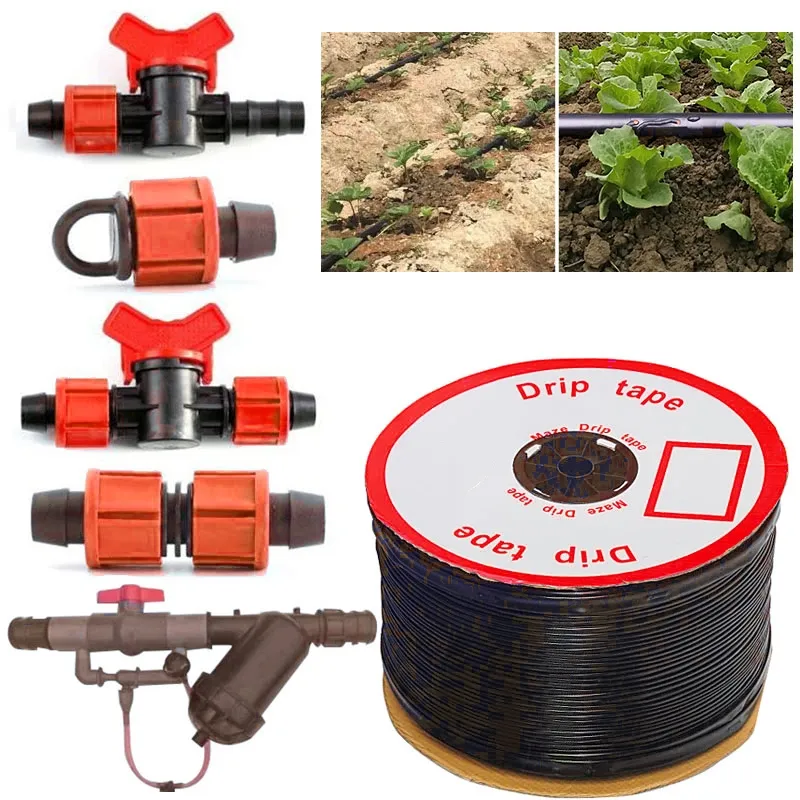
Agricultural Farm Water Saving and Efficient DIY Drip Irrigation System Built-in Drip Irrigation Tap
Send your message to this supplier
Include product specification, quantity, destination port and packing needs to receive a faster and more accurate quotation.
Explore the newest items published by the supplier for fresh sourcing opportunities.
Benchmark comparable offers in the market and evaluate more sourcing options.

