
One. Will marble tiles become moldy?
Marble tiles are prone to mold growth. However, many users are interested in understanding the reasons for this. The following are some common causes:
1、Spring brings rainy weather, which can lead to a humid environment. This can easily cause mold growth between large marble tiles and between large marble tiles and other surfaces.
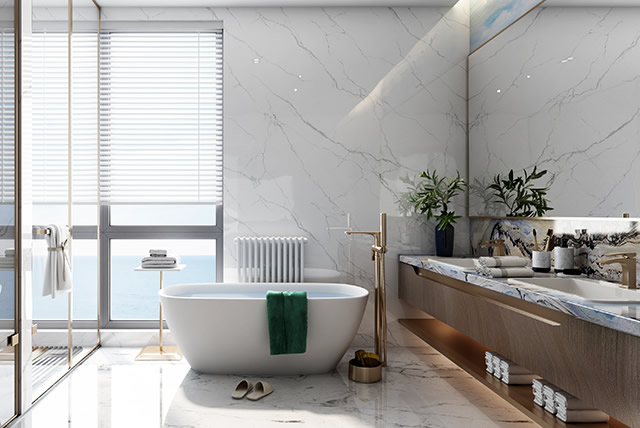
2. The area covered with marble tiles is in a humid environment. Due to the excellent anti-slip properties of marble tiles, they are commonly used in kitchens and bathrooms, which are areas with prolonged exposure to water. Furthermore, if proper maintenance is not performed, marble tiles can also develop mold.
Two. What to do if marble tiles are developing mold?
1、Employ common household cleaning solutions, such as using stiff-bristled brushes and cleaning cloths. Apply a dehumidifier during the cleaning process, and ensure good ventilation indoors after drying.
2. If mold appears in the joints of marble tiles, waterproof coating can be applied directly to the joints, and then wiped clean.
3. White vinegar or lemon peel can be used to remove mold on large marble tiles. First, wipe away the obvious mold stains, and then use white vinegar or lemon peel to deeply scrub the tiles. You will find that the large marble tiles will regain their original shine and emit a pleasant lemon fragrance.
Three. How to prevent marble tiles from mold
1. Maintain a dry environment within the space. The primary reason for mold growth on marble tiles is prolonged exposure to humid conditions. Therefore, it is important to keep the home environment dry. During rainy seasons, ensure adequate ventilation or use a dry cloth to wipe away moisture from the floor.
2. Utilize chemical principles to absorb moisture. Currently, the weather is often in a "high humidity" state, making it suitable for planting "shade-loving" plants. These plants can help purify the air and also add a touch of beauty to the home, kitchen, and bathroom, achieving multiple benefits.