
I.Whole tile with glaze, sunkenHow is it?
"Sunken glaze," also known as "peeling glaze," "glossy glaze," or "white glaze," involves applying a design pattern to the glazed surface of unfired tiles after the initial glazing process. After the pattern is applied, the tiles are fired again, resulting in a textured surface with a three-dimensional effect.
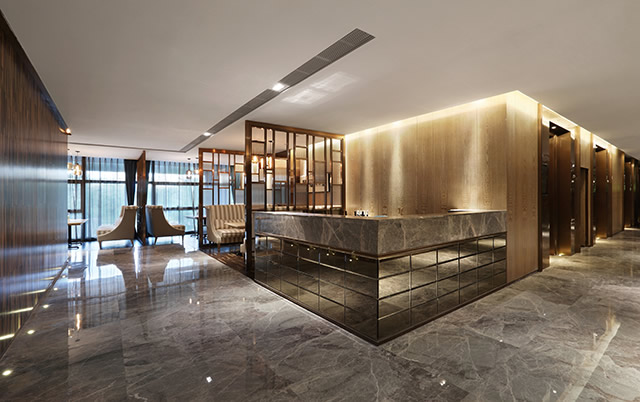
Using the sunken glaze technique creates textured patterns on the tile surface, enhancing the product's three-dimensionality and color. This technique is simple to implement and offers relatively low industrial costs, resulting in novel decorative effects. However, if dirt or debris enters the tile and remains for an extended period, it can be difficult to clean, often requiring several hours of soaking.
Two, is it better to use glazed bricks or unglazed bricks?
The best option depends on your specific needs. However, modern architecture is diverse and constantly evolving, so decorative through-body bricks also require a variety of colors and patterns to be used in different parts of a building. Through-body bricks with a glazed finish can create special effects, and the glazed finish is created by spraying a special pattern onto the surface of the brick, resulting in a unique pattern with recessed and cracked effects.
When applying recessed glaze to ceramic tiles, no special molds are required. Simply apply the recessed glaze onto the glazed ceramic tile surface after it has been glazed but before it is fired, imprint the desired design, and then fire the tiles. This will create a textured surface on the ceramic tile.
Using the sunken glaze technique creates textured patterns on the entire ceramic tile surface, enhancing the product's three-dimensional effect and color, while also offering a simple and relatively low-cost manufacturing process with innovative decorative effects.