
One, How to repair hollow bricks
1. If there are voids at the corners of the glass bricks, it is recommended not to remove them. Removing them would inevitably affect the surrounding glass bricks, causing them to loosen and even be damaged, leading to an ever-increasing repair area. So, how can we proceed without removing them? We can use a high-strength cement paste. After mixing, pour the cement paste into the voids at the corners of the glass bricks. The cement paste will fill the voids and create a solid seal, firmly bonding the voided areas.
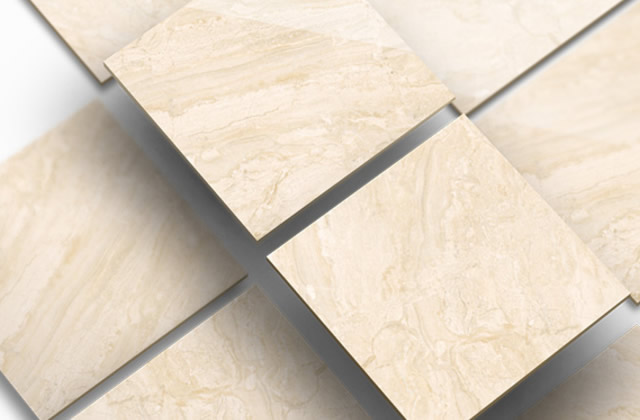
2、Some of the glazed bricks exhibit voids, but this is not a widespread issue. Therefore, the voids can be removed mechanically, and the glazed bricks can be individually detached. Subsequently, the cement layer should be removed to a depth of 2-3 cm, and the glazed bricks can be re-laid. This approach saves both time and money compared to a complete renovation.
3. If most of the glazed bricks exhibit air pockets, such as in the living room, dining room, kitchen, and balcony, and none of them are suitable, this indicates that the contractor made an error during installation, resulting in air pockets in most or all of the glazed bricks. In this situation, it is quite complicated, and the only solution is to remove all the glazed bricks and replace them with new ones, and then re-install the materials.
II. How to Prevent Pores in Glass Bricks
1、After the glass bricks have been laid, do not walk on them or place heavy objects on top of them.
2. When installing glass bricks, maintain a gap of 1.5–2.0 mm between each glass brick. This allows the heat generated during the cement setting process to dissipate, and also prevents prolonged expansion and contraction due to temperature changes.
3. After laying the tempered bricks, perform impact testing. If a dull sound is heard during impact, it indicates that the bricks are securely bonded and there are no gaps.