
I.Solid brickHow to apply
1. Preparation: Before laying solid brick, soak it in water for a period of time.
2、Ensure Proper Installation: When laying full-body tiles, it is essential to carefully select the tiles based on their color, texture, and surface flatness. Then, install the tiles according to the drawing specifications. Make necessary adjustments and exchanges to correct any dimensional, color, or texture discrepancies, until the optimal result is achieved.
3、The mortar must be full and uniform: Cement mortar is typically used as the adhesive. When applying the cement mortar to the back of the hollow brick, it is important to ensure that the cement mortar is full and uniform, and that no material is wasted.
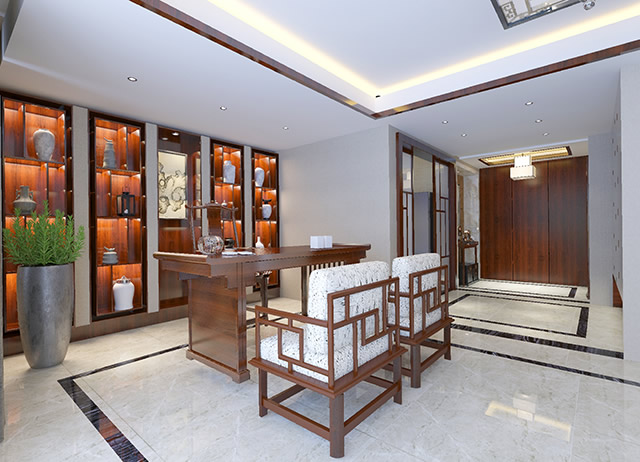
4、Impact Reduction of Cavities: When laying solid bricks, if the thickness of the cement mortar at the bottom is uneven, resulting in concave pits, and if these pits are not properly evacuated using a rubber hammer or if the hammering is insufficient, cavities are likely to form. Therefore, it is important to use tools to effectively remove air during laying.
5、Provide Sufficient Expansion Joints: When laying through-body tiles, it is necessary to leave a certain-sized expansion joint. If sufficient expansion joints are not provided, the adjacent tiles may experience stress due to thermal expansion or moisture expansion, leading to the tiles being squeezed together and causing detachment. After laying, fill the gaps between the tiles with joint filler.
II. Exterior Wall Brick Construction Steps
1、Substrate preparation
Before construction, the surfaces of the brick wall and concrete substrate must be cleaned and de-greased. If the concrete surface is used, it should be cleaned with a wire brush and then wetted. For external walls, install 2mm diameter wire mesh supports vertically at intervals of approximately 1500mm, to be used for creating sand slurry.
2、Interface treatment agent
Mix the interface treatment agent with water at a ratio of 1:4, and then apply using spraying or powder coating methods. The thickness should be approximately 2-3 millimeters. If the ambient temperature is high or the substrate is dry, pre-moisten the surface with water before applying the interface treatment agent.
3、Applying a layer of putty powder on the substrate.
Before applying the plaster, first seal the pre-drilled holes in the wall using putty powder. Then, create a 40mm deep recess in the wall at the pre-drilled locations and fill it with 20mm thick sealant. After applying the interface treatment agent for 10-20 minutes, apply the base mortar three times.
4、Lay bricks in a staggered pattern
Hang vertical and horizontal control lines, then mark the facing brick control lines based on the dimensions of the exterior wall brick. The widths of the horizontal and vertical joints should be controlled to be as close as possible to 5-9 mm and 3-5 mm, respectively. All bricks are whole bricks, with strict requirements for symmetry on both sides. After successful bricklaying, hang brick-laying lines to divide the bricks horizontally and vertically, aiming for horizontal and vertical alignment.
5、Adhesive application
First, thoroughly wet the exterior wall brick and allow it to dry completely. When applying the mortar to the exterior wall brick, ensure the mortar is full and compact, aiming for a single, successful application. Avoid excessive hammering or moving during construction. After the mortar has started to set, do not attempt to adjust or reposition it.
6、Joint Filling
First, wet the brick surface with water and allow it to dry. Then, apply cement mortar to fill the gaps. After the mortar has partially set, use a rubber scraper to remove the mortar from the brick surface. Finally, use a damp sponge to wipe the surface until all traces of cement are removed.
7、Joint filling
According to the design requirements, after the filling is complete, simply clean the surface with a clean cloth.
8、Cleaning and Maintenance
After completing the filling, approximately 30 hours later, the exterior wall brickwork is complete. once the mortar has hardened, thoroughly clean the brick surface from top to bottom with water.