
One、Does the stone have radiation and formaldehyde?
First and foremost, it is important to note that construction-grade stone is non-radioactive, while some low-quality artificial stone may contain formaldehyde.
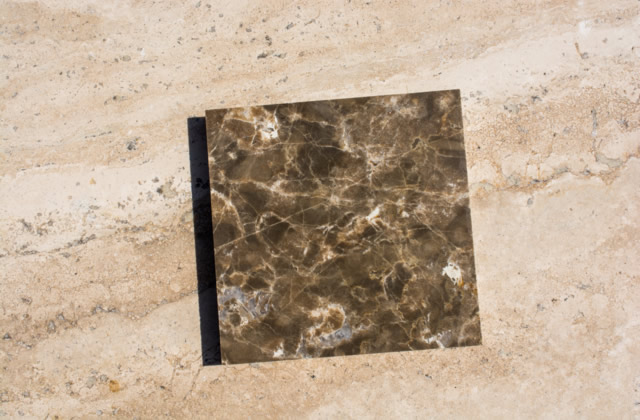
In recent years, there have been numerous discussions about the radiation issues of natural stone. However, according to our information, these are tactics used by unscrupulous merchants to promote substandard artificial stone. Compliant natural stone products do not have radiation issues.
Firstly, from the perspective of the composition of natural marble, its main component is calcium carbonate (approximately 50% or more), and other components include magnesium carbonate, calcium oxide, manganese oxide, and silicon dioxide. It has no direct relationship with radioactive elements. Secondly, from the perspective of the formation process, natural marble is formed by the original rocks in the Earth's crust through high temperature and high pressure, and it is impossible for it to generate radioactivity or have a relationship with radioactive substances.
However, while natural stone and synthetic stone do not pose radiation concerns, some low-quality synthetic stone may contain formaldehyde. This is because low-quality synthetic stone often contains formaldehyde-releasing pigments during the manufacturing process, resulting in formaldehyde contamination. Therefore, when selecting stone products, it is important to differentiate between low-quality and high-quality products.
II. How to select safe stone materials
1、 Observation
Upon visual inspection of the stone surface, uniformly fine-grained stone exhibits a smooth and refined texture, making it a high-quality stone. Coarse and unevenly sized stone exhibits inferior surface quality.
2、Listen for sounds
Listen to the sound of the stone when tapped: dense and solid stone produces a clear and pleasant sound, while a rough and dull sound indicates the presence of internal cracks.
3、Quality testing
Test the quality by applying a drop of ink to the back of the stone. If the ink quickly spreads and soaks into the stone, it indicates poor quality. Conversely, if the ink remains in its original location, it indicates that the stone's surface is dense and of good quality.
4、Pay attention to quality indicators.
In residential applications, stone materials are typically used in smaller areas. Stone materials do not pose a radiation hazard to humans, but for peace of mind, it is important to check for radiation safety permits when purchasing stone materials. Choose stone materials based on their radiation level.