

How to Make a Curtain Rod from PVC Pipe
Creating a curtain rod from PVC pipe is an economical and customizable alternative to traditional wooden or metal rods. Here's a step-by-step guide to help you make your own PVC curtain rod:

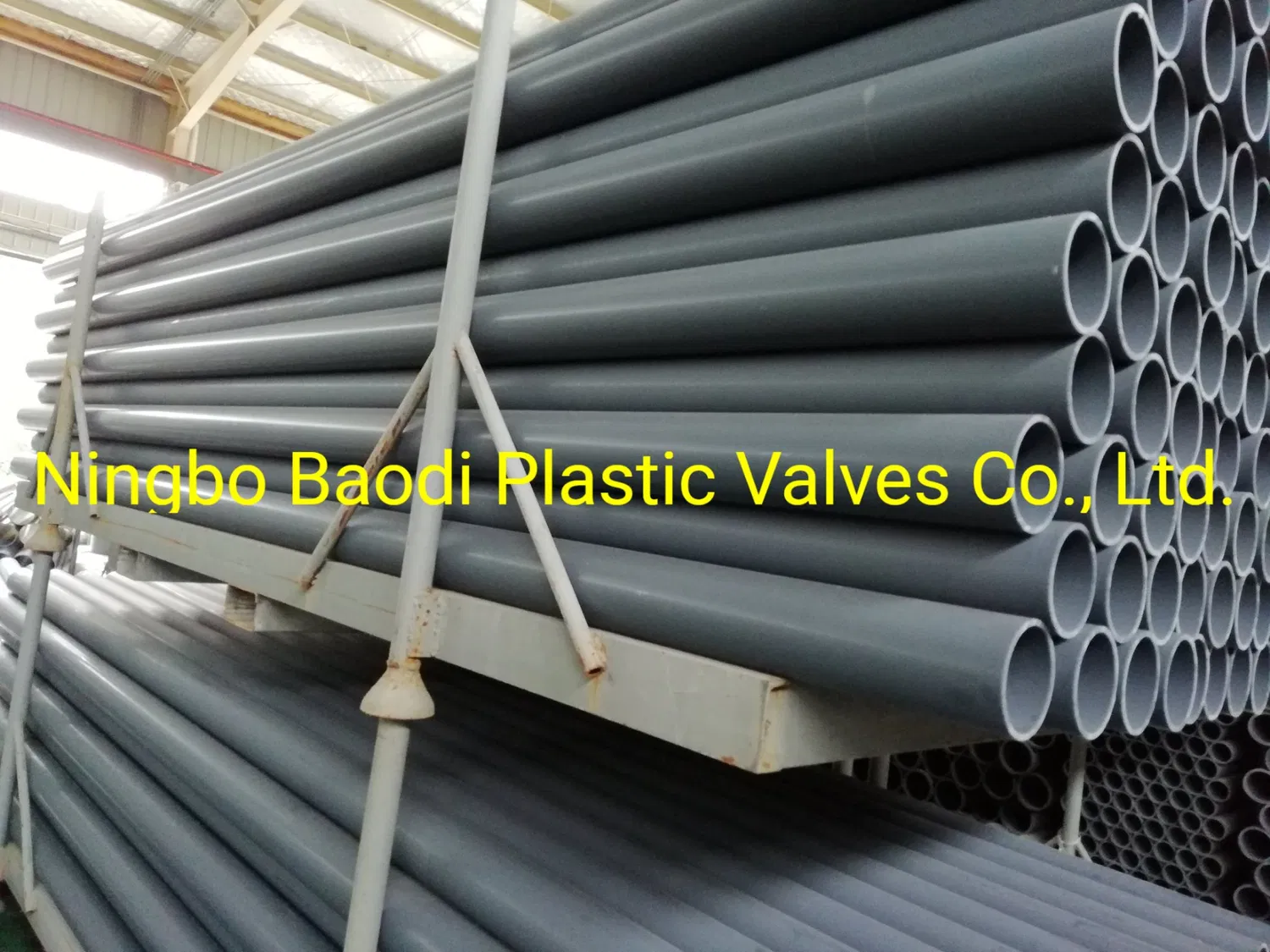
- PVC Pipe(Schedule 40, 1.5 inches in diameter)
- PVC Primer and Adhesive(for bonding joints)
- PVC End Caps(to cover the ends of the pipe)
- Sandpaper(fine grit)
- Drill with a Bit Size Appropriate for PVC
- Measuring Tape
- Level
- Hammer or Mallet(optional)
- Utility Knife(optional)
- Paint or Stain(optional, for aesthetic purposes)
- PVC Cutter
- Plumber's Torch(for softening the pipe)
- Gloves(heat resistant)
- Measuring Tape
- Pencil
- Clamps(optional)
- Measure the required length for your curtain rod, adding an extra inch for each end cap.
- Use a PVC cutter to mark and cut the pipe to the desired length.
- Sand the ends of the pipe to remove any rough edges.
- Apply PVC primer to the end of one pipe section and firmly press it into the other pipe section.
- Use a PVC adhesive to reinforce the joint if necessary. Allow the primer to dry according to the manufacturer's instructions before applying the adhesive.
- Repeat this process for all sections until your curtain rod reaches the desired length.
- Apply PVC primer to the interior of the end caps.
- Press the end caps onto the ends of the PVC pipe.
- Use a PVC adhesive to ensure the end caps are securely attached. Allow them to dry completely.
- Determine the desired location for mounting the curtain rod brackets on the wall.
- Drill pilot holes through the wall and into the studs to ensure maximum support.
- Mount the brackets using screws and wall anchors, ensuring they are level.
- Insert the PVC curtain rod into the brackets, ensuring it is level.
- If necessary, use a hammer or mallet to gently tap the rod into position.
- Ensure that the rod is securely held by the brackets and make any necessary adjustments.
- Sand any rough areas and apply paint or stain as desired.
- Ensure all connections are secure and free of sharp edges.
- For Interior Use: Suitable for bedrooms, living rooms, and bathrooms.
- Outdoor Use: With appropriate finishes, can be used in patios or covered outdoor areas.
- Durability: PVC pipes are resistant to water and mildew, making them suitable for humid environments such as bathrooms.
- Strength: The Schedule 40 PVC pipe is strong enough to support heavy curtains without bending or breaking.
- Customization: Easy to cut and customize to any desired length.
- Cleaning: Wipe with a damp cloth and mild detergent as needed. Avoid abrasive cleaners.
- Inspection: Regularly inspect for signs of wear or damage and address any issues promptly.
By following these steps, you can create a durable and stylish PVC curtain rod that meets your requirements and enhances your space.