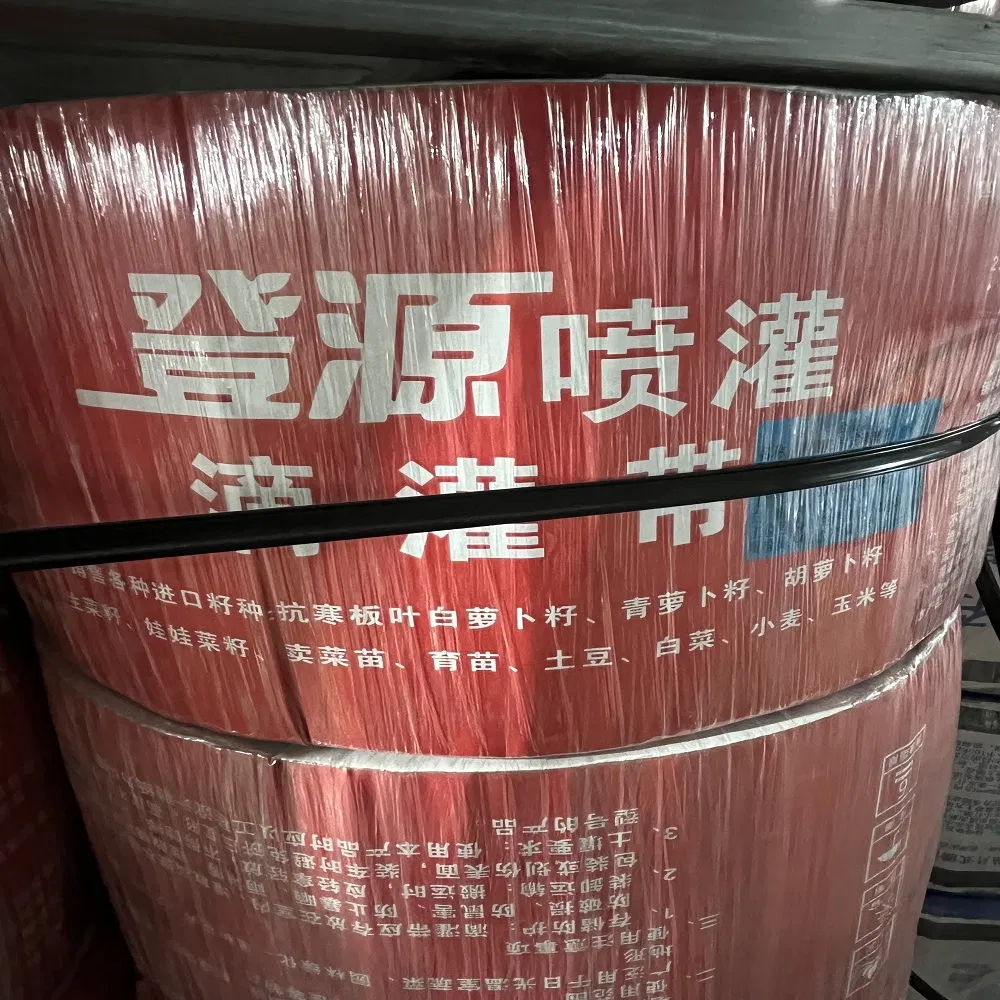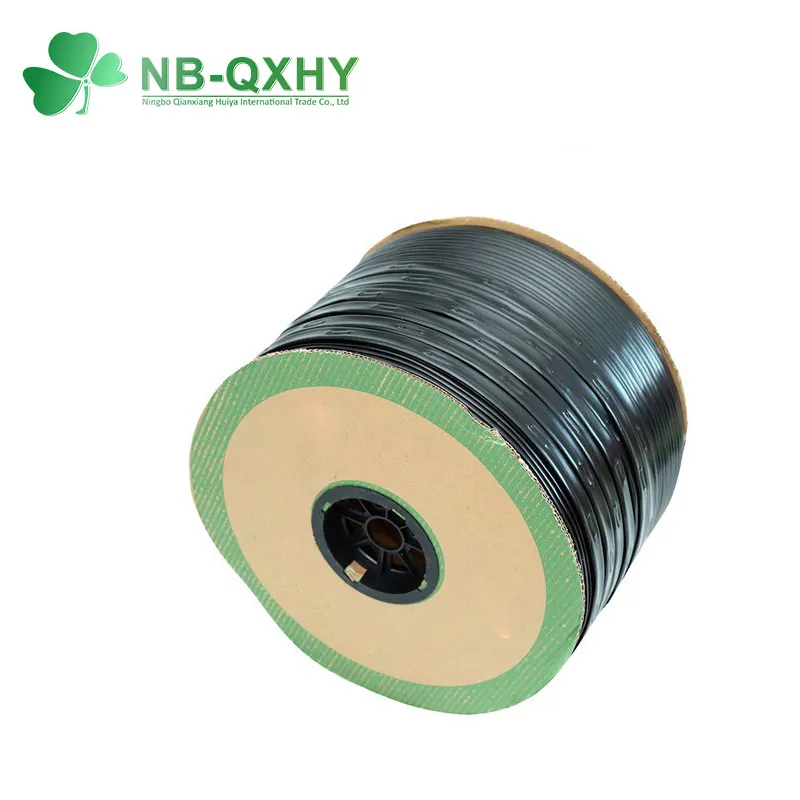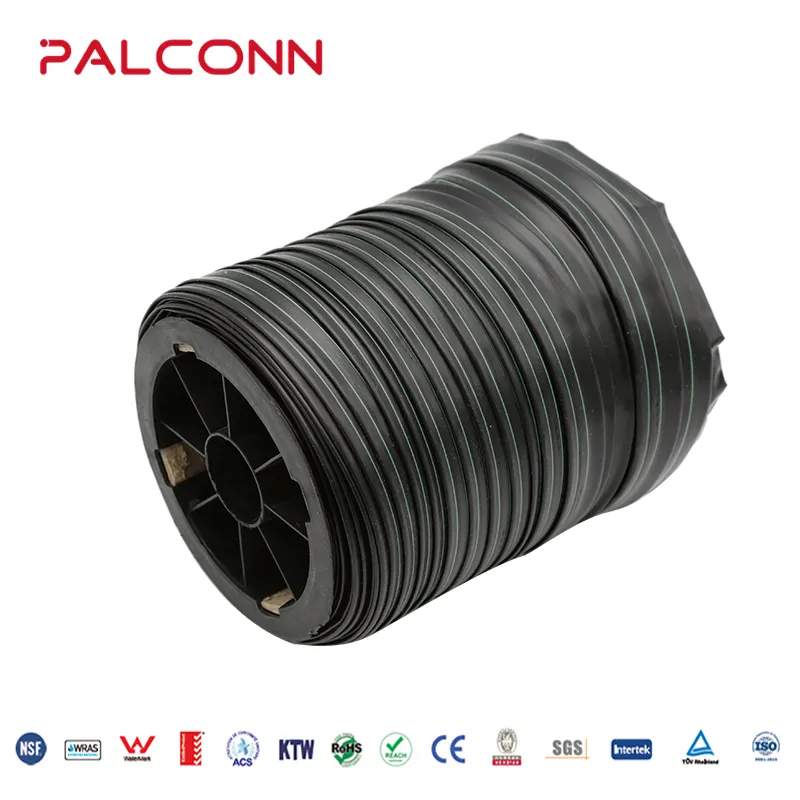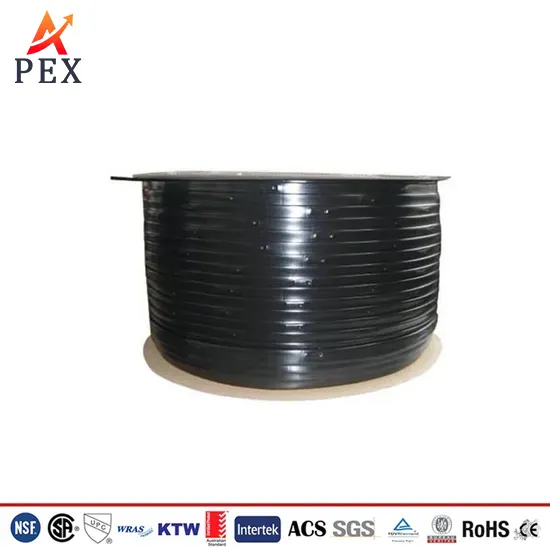


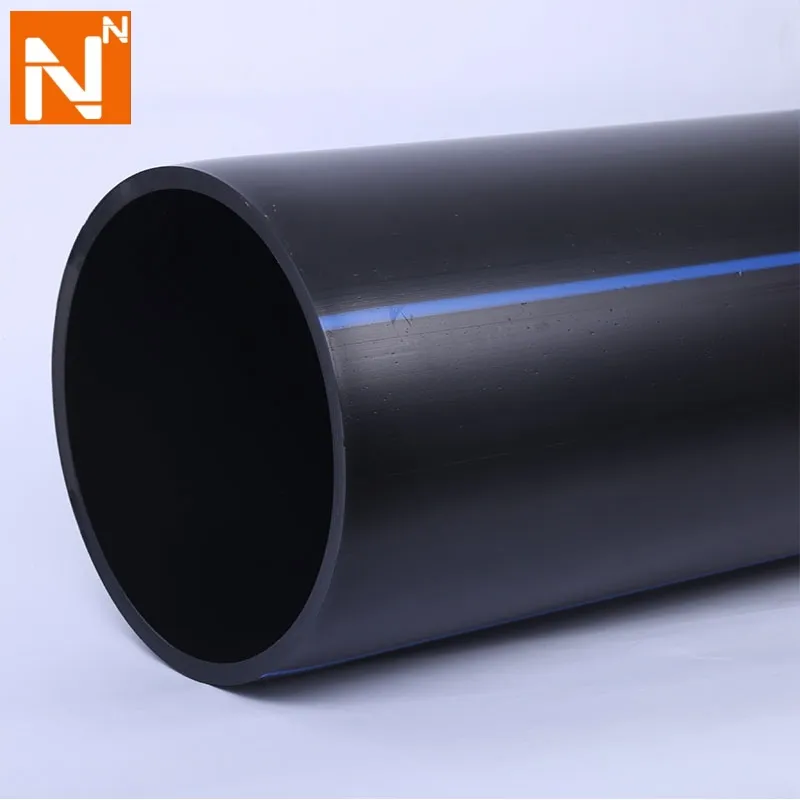
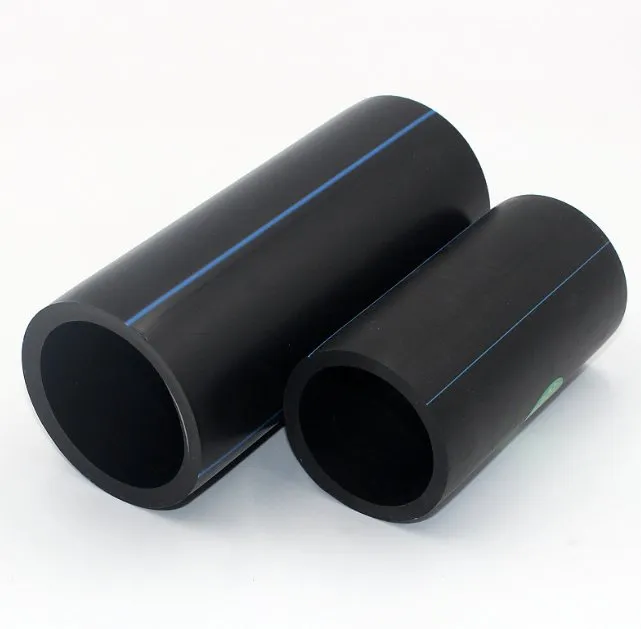
| Model NO. | 6 inch |
| Material | PE |
| Kind | Thermoplastics Pipes |
| Water Absorption | <0.01% |
| Contraction Percentage | <0.4% |
| Tensile Strength | 51~80MPa |
| Application | Water Transport, Irrigation |
| Color | Black |
| Working Temperature | -40ºC~40ºC |
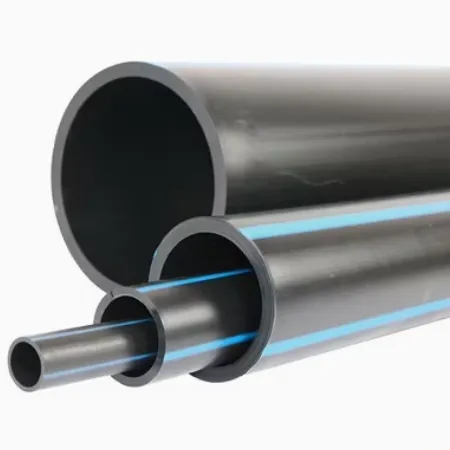
| Stripe Line | Blue, Orange, Red |
| Raw Materials | HDPE |
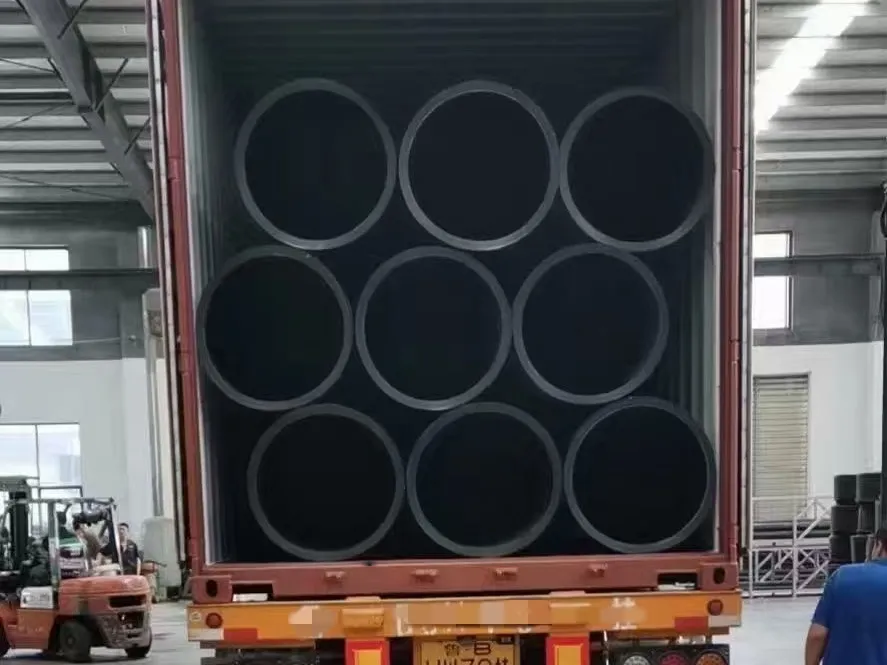
| Transport Package | Standard Export Packing |
| Specification | DN20mm~DN1200mm |
| Trademark | Furex, or customized |
| Origin | China |
| HS Code | 39172100 |
HDPE Pipe Description
HDPE (High-Density Polyethylene) Pipe is a plastic piping solution made from high-density polyethylene material, offering excellent corrosion resistance, impact strength, flexibility, and long service life. It is widely used in municipal water supply and drainage, gas distribution, agricultural irrigation, industrial fluid transport, and more, serving as an ideal replacement for traditional metal pipes.
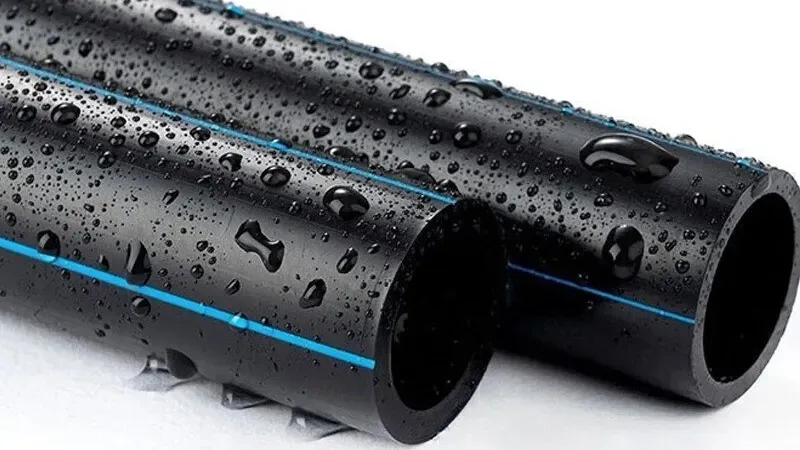
Specification
Material
High-Density Polyethylene (HDPE), compliant with GB/T 13663, ISO 4427, etc.
Density
≥0.941 g/cm³
Working Pressure
PN6-PN25 (0.6MPa-2.5MPa)
Temperature Range
-40℃ to 60℃ (short-term up to 80℃)
Corrosion Resistance
Resistant to acids, alkalis, salts, and chemicals; no scaling or rusting.
Connection Methods
Butt fusion, electrofusion, flange connections, etc.
Service Life
Over 50 years (underground installation)
Color Options
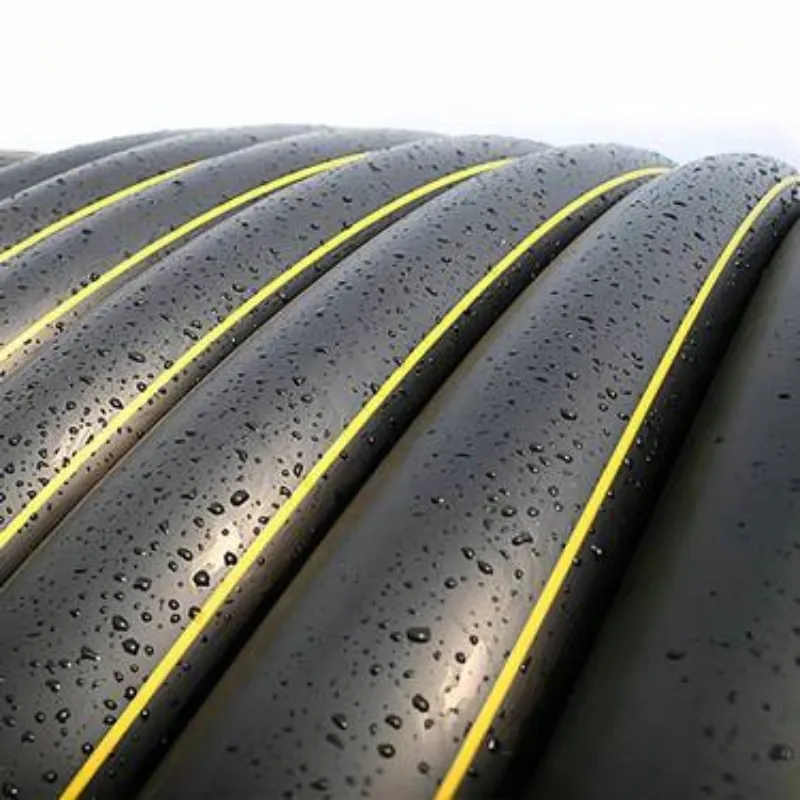
Black (with UV-resistant carbon black), blue (water supply), yellow (gas), etc
Technical Parameter
PE100
0.4MPa
0.5MPa
0.6MPa
0.8MPa
1.0MPa
1.25MPa
1.6MPa
2.0MPa
2.5MPa
Outside Diameter
PN4
PN5
PN6
PN8
PN10
PN12.5
PN16
PN20
PN25
SDR41
SDR33
SDR26
SDR21
SDR17
SDR13.6
SDR11
SDR9
SDR7.4
Wall Thickness (en)
20
/
/
/
/
/
/
2
2.3
3
25
/
/
/
/
/
2
2.3
3
3.5
32
/
/
/
/
2
2.4
3
3.6
4.4
40
/
/
/
2
2.4
3
3.7
4.5
5.5
50
/
/
2
2.4
3
3.7
4.6
5.6
6.9
63
/
/
2.5
3
3.8
4.7
5.8
7.1
8.6
75
/
/
2.9
3.6
4.5
5.6
6.8
8.4
10.3
90
/
/
3.5
4.3
5.4
6.7
8.2
10.1
12.3
110
/
/
4.2
5.3
6.6
8.1
10
12.3
15.1
125
/
/
4.8
6
7.4
9.2
11.4
14
17.1
140
/
/
5.4
6.7
8.3
10.3
12.7
15.7
19.2
160
/
/
6.2
7.7
9.5
11.8
14.6
17.9
21.9
180
/
/
6.9
8.6
10.7
13.3
16.4
20.1
24.6
200
/
/
7.7
9.6
11.9
14.7
18.2
22.4
27.4
225
/
/
8.6
10.8
13.4
16.6
20.5
25.2
30.8
250
/
/
9.6
11.9
14.8
18.4
22.7
27.9
34.2
280
/
/
10.7
13.4
16.6
20.6
25.4
31.3
38.3
315
7.7
9.7
12.1
15
18.7
23.2
28.6
35.2
43.1
355
8.7
10.9
13.6
16.9
21.1
26.1
32.2
39.7
48.5
400
9.8
12.3
15.3
19.1
23.7
29.4
36.3
44.7
54.7
450
11
13.8
17.2
21.5
26.7
33.1
40.9
50.3
61.5
500
12.3
15.3
19.1
23.9
29.7
36.8
45.4
55.8
/
560
13.7
17.2
21.4
26.7
33.2
41.2
50.8
62.5
/
630
15.4
19.3
24.1
30
37.4
46.3
57.2
70.3
/
710
17.4
21.8
27.2
33.9
42.1
52.2
64.5
79.3
/
800
19.6
24.5
30.6
38.1
47.4
58.8
72.6
89.3
/
900
22
27.6
34.4
42.9
53.3
66.2
81.7
/
/
1000
24.5
30.6
38.2
47.7
59.3
72.5
90.2
/
/
1200
29.4
36.7
45.9
57.2
67.9
88.2
/
/
/
Key Characteristics of HDPE Pipe
1. Exceptional Chemical Resistance: HDPE pipe exhibit strong resistance to a wide range of chemicals, including acids, alkalis, salts, and various organic solvents. This property makes them suitable for conveying corrosive fluids in industrial, agricultural, and municipal applications without degradation.
2. High Durability and Long Service Life: With excellent resistance to impact, abrasion, and environmental stress cracking (ESC), HDPE pipes maintain structural integrity even in harsh conditions. Their typical service life can exceed 50 years when properly installed and maintained, outperforming many traditional pipe materials.
3. Easy Installation: HDPE pipes can be joined using heat fusion, electrofusion, or mechanical fittings, ensuring leak-proof connections and reducing installation time and labor costs.
4. Lightweight Construction: Compared to rigid pipe materials like steel, concrete, or PVC, HDPE pipes are significantly lighter. This lightweight feature eases transportation, handling, and on-site maneuvering, lowering logistics and installation expenses, especially for large-diameter pipes.
5. Smooth Inner Surface for Efficient Flow: The inner wall of HDPE pipes is extremely smooth, with a low friction coefficient. This minimizes fluid flow resistance, reduces pressure loss, and prevents the buildup of scale, sediment, or debris. As a result, it maintains consistent flow rates and reduces the need for frequent cleaning or maintenance.
6. Eco-Friendly and Recyclable: HDPE is a recyclable thermoplastic material. At the end of their service life, HDPE pipe can be collected, processed, and reused to manufacture new HDPE products, reducing plastic waste and environmental impact.
7. Good Temperature Adaptability: HDPE pipes can operate within a relatively wide temperature range, typically from -40°C to 60°C (for standard grades). This allows them to function normally in both cold and moderate-temperature environments, making them versatile for use in different climates.
8. Leak-Proof Performance: HDPE pipe connections create a homogeneous bond that is as strong as the pipe itself. This eliminates the risk of leaks, which is crucial for applications like water supply, gas distribution, and wastewater treatment to prevent resource loss or environmental contamination.


HDPE Pipe Applications
1. Municipal Water Supply & Sewerage: Used for transporting potable water, domestic wastewater, and stormwater due to leak-proof performance and corrosion resistance.
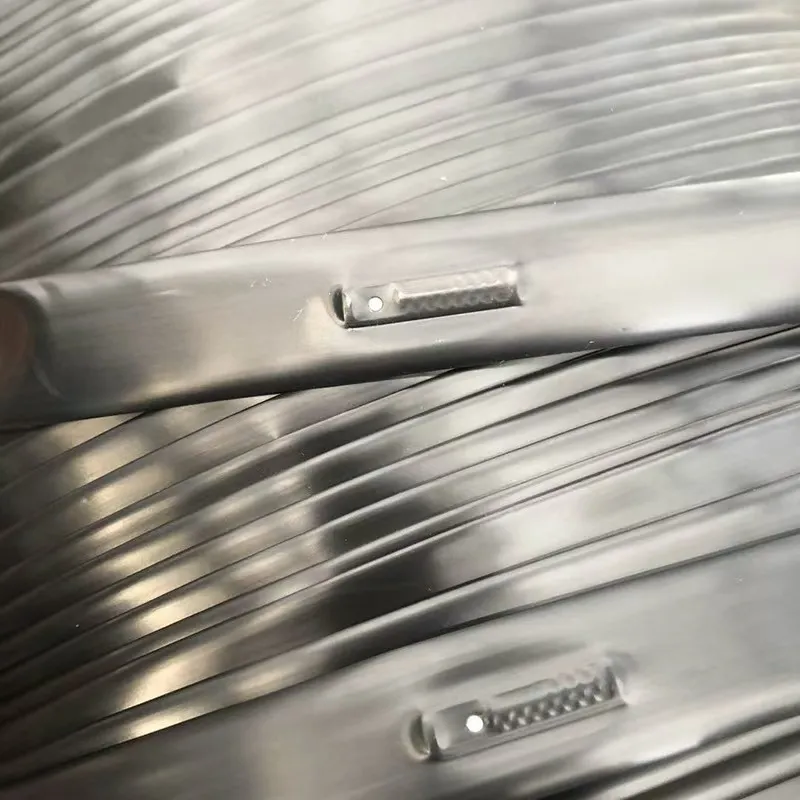
2. Agricultural Irrigation: Ideal for drip, sprinkler, or flood irrigation systems, as it withstands outdoor conditions and is easy to lay over farmland.
3. Industrial Fluid Conveyance: Transports chemicals, slurries, and process fluids, thanks to its strong chemical resistance and durability.
4. Gas Distribution: Safe for low-to-medium pressure delivery, with leak-proof joints and resistance to environmental stress.
5. Mining Operations: Conveys mining slurries, tailings, and water, as it resists abrasion from solid particles in the fluid.
6. Underground & Submarine Installations: Used for underground utility lines or submarine pipelines, as it tolerates soil pressure and aquatic environments.
7. Landfill & Waste Management: Carries leachate (contaminated liquid from landfills) and biogas, due to its resistance to toxic substances.

Production Process
Production Process of HDPE Pipe
1. Raw Material Blending
Premium HDPE pellets are mixed with antioxidants and UV stabilizers for enhanced durability.
2. Extrusion Molding
The material is melted via single or twin-screw extruders and shaped through precision dies.
3. Pipe Sizing
Vacuum or internal pressure calibration ensures dimensional accuracy and uniform wall thickness.
4. Marking
Laser printing displays specifications, pressure ratings, production dates, and traceability codes.
5. Quality Inspection
Includes visual checks, wall thickness measurement, hydrostatic pressure testing, and melt flow index tests.
6. Packaging & Storage
Pipes are cut to required lengths, wrapped in protective film, or bundled for safe transportation.

Packing & Delivery


Why Choose US?
Premium HDPE Pipes – Engineered for Excellence
As a leading manufacturer of High-Density High-performance (HDPE) pipes, Furex specialize in delivering superior-quality piping solutions tailored to your needs.
Why Choose Our HDPE Pipes?
1. Premium Materials – Sourced from high-grade raw materials for unmatched durability and performance.
2. Advanced Extrusion Technology – Precision-engineered with expert craftsmanship to ensure consistent quality.
3. Rigorous Quality Control – Every pipe undergoes strict inspection to meet industry-leading standards.
4. Custom Solutions – Flexible customization to fit your specific project requirements.
5. Reliable & Timely Delivery – Efficient logistics to ensure your orders arrive on schedule, every time.
Trusted by industries worldwide, we provide robust, high-performance piping solutions designed to excel in demanding applications. Partner with us for reliability, innovation, and excellence.
Contact us today to discuss your project needs!