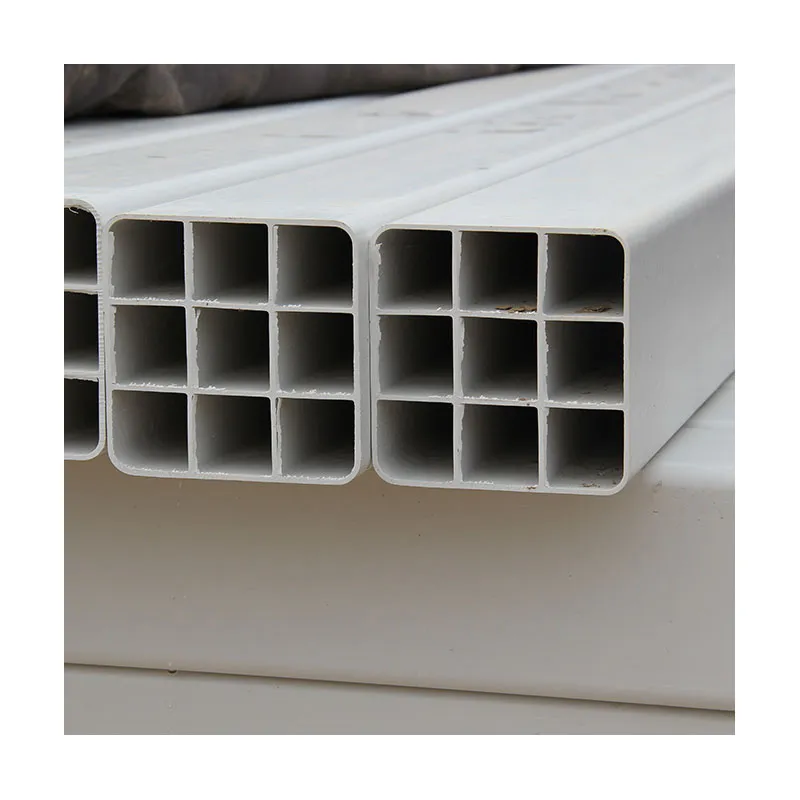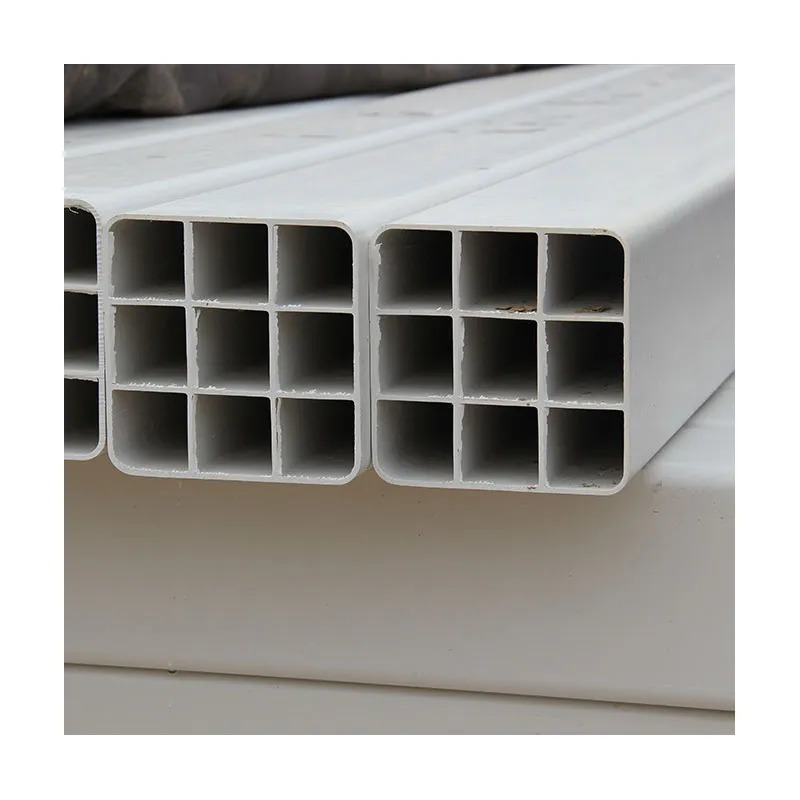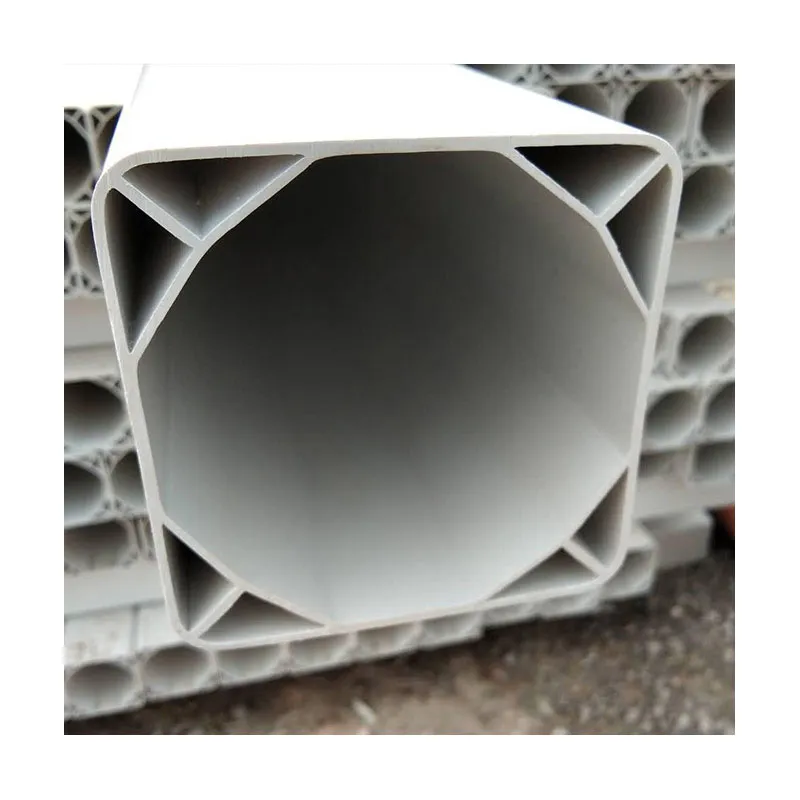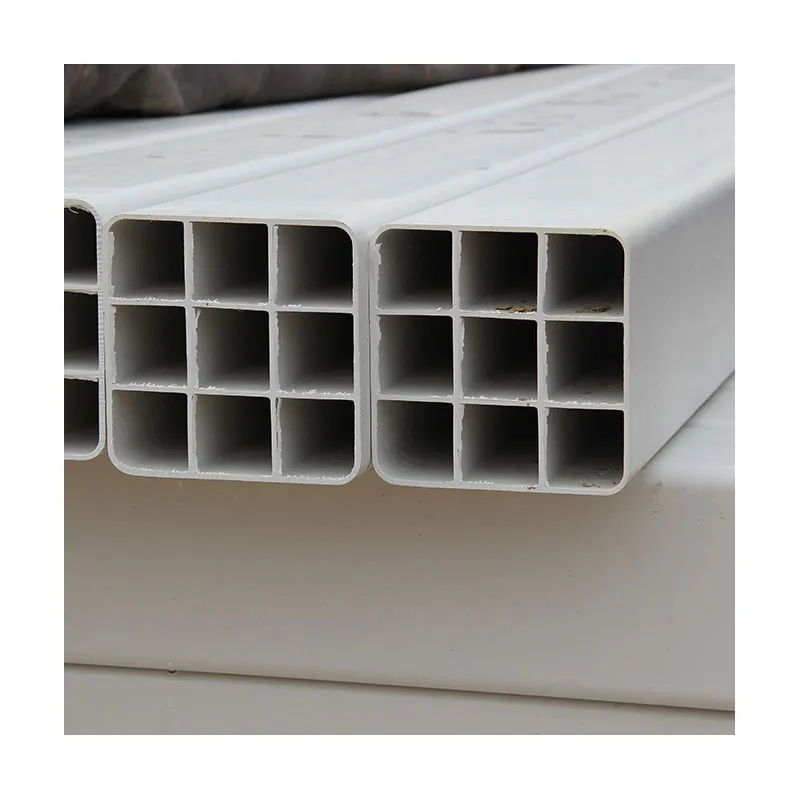
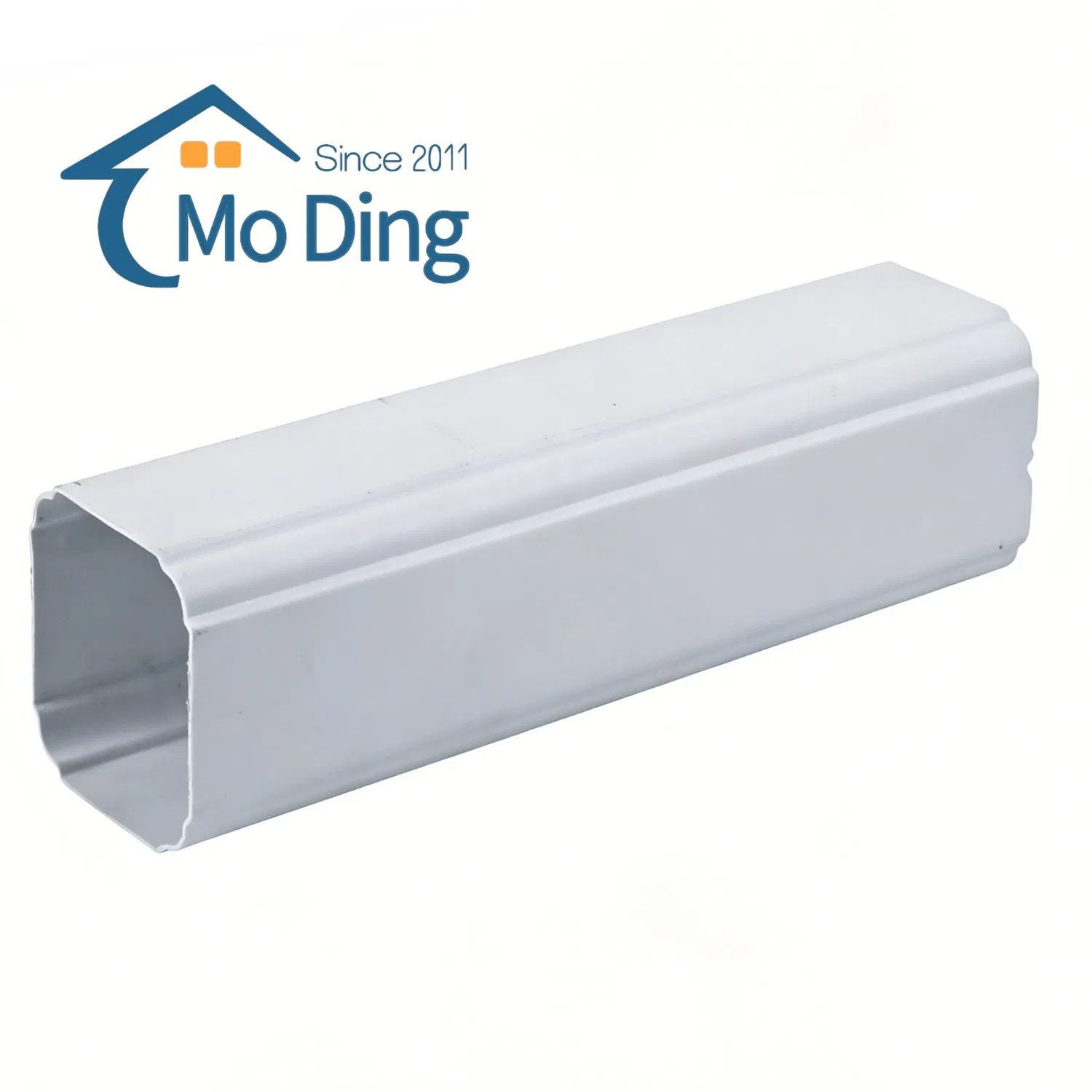
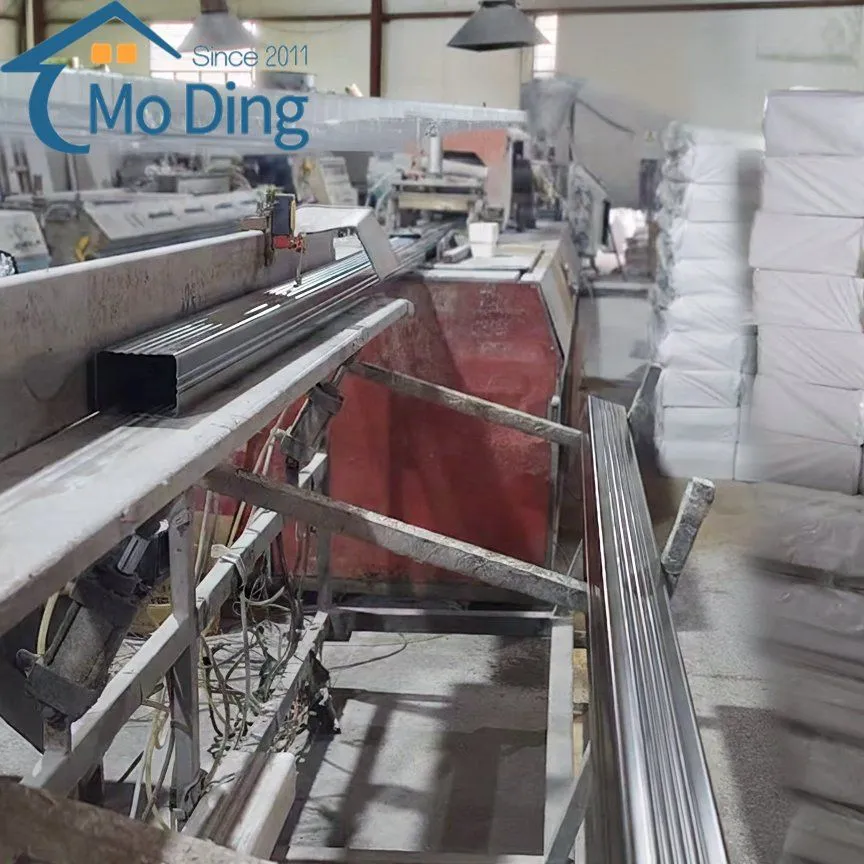

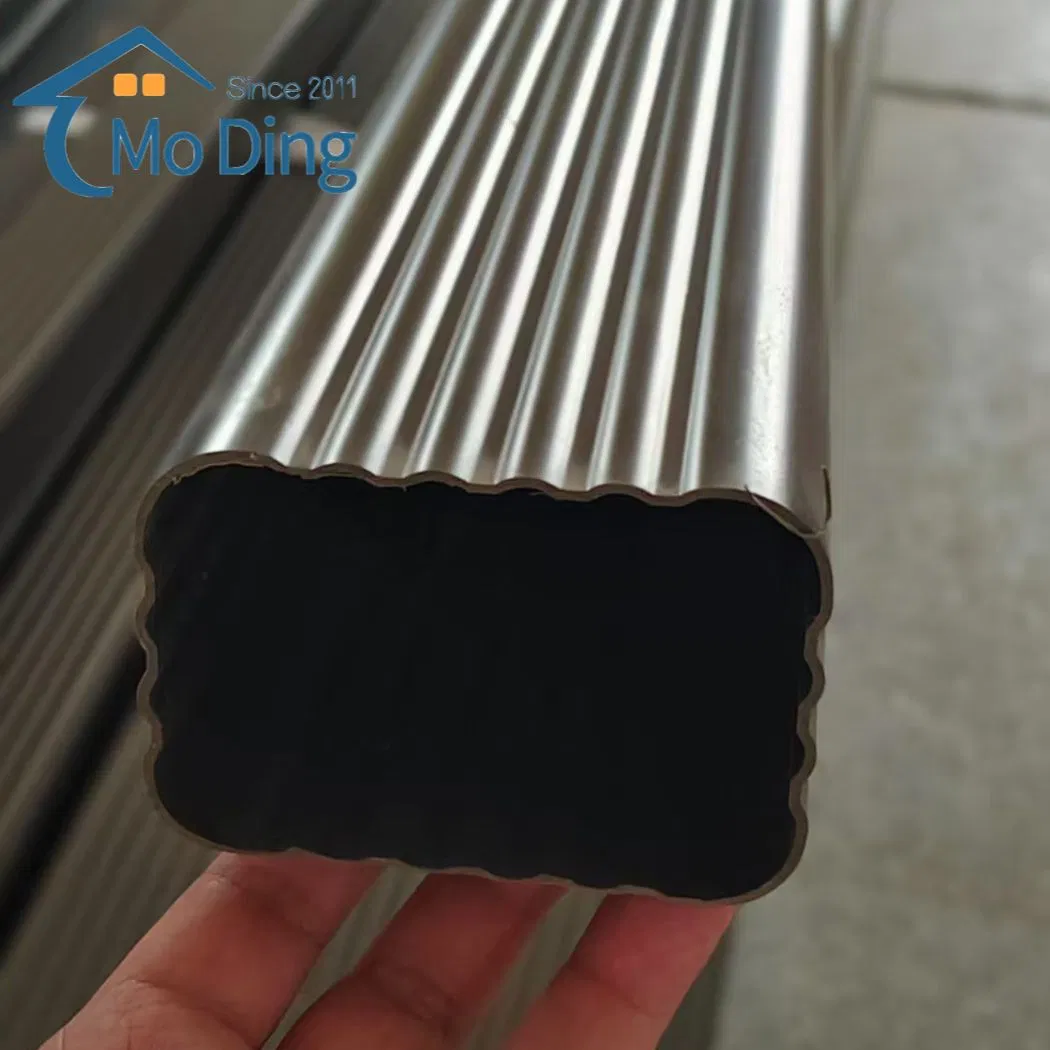

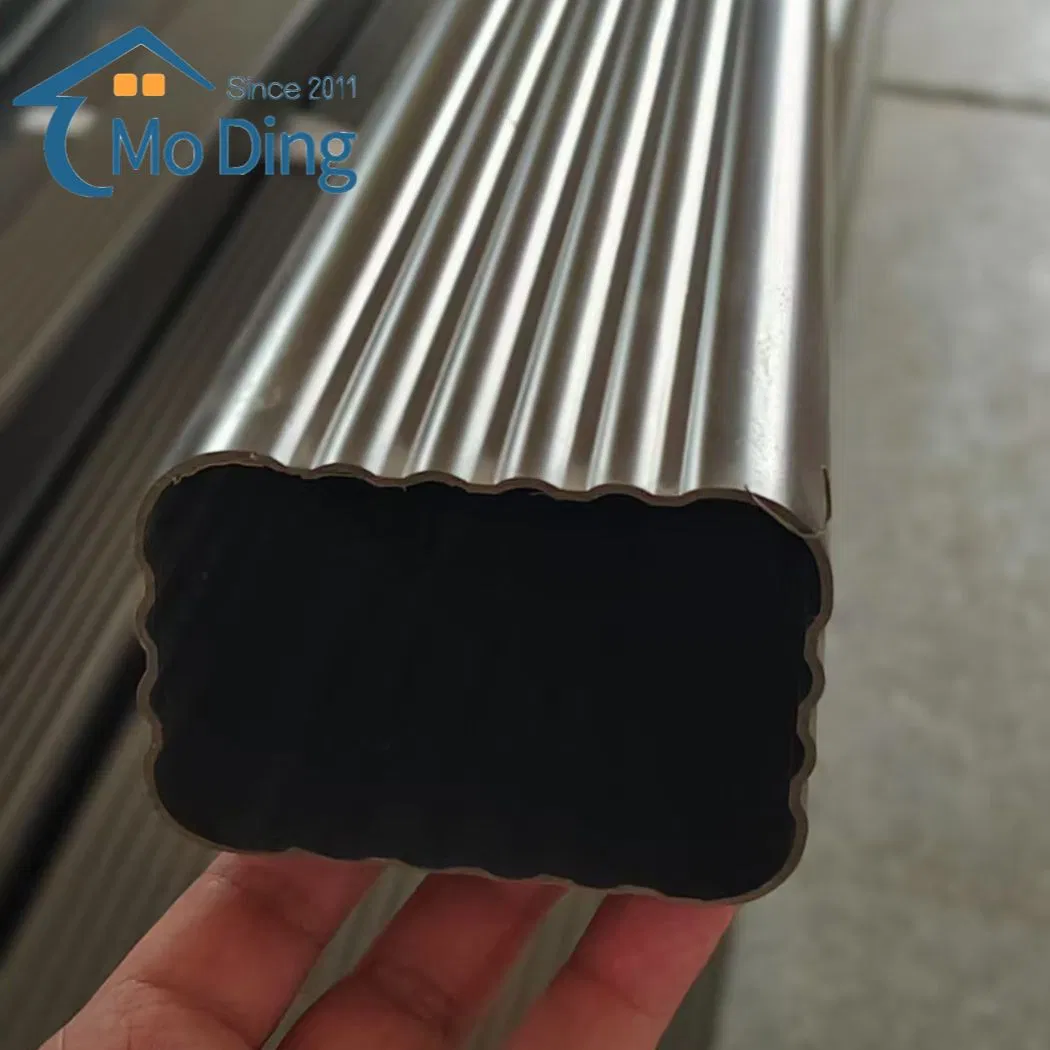
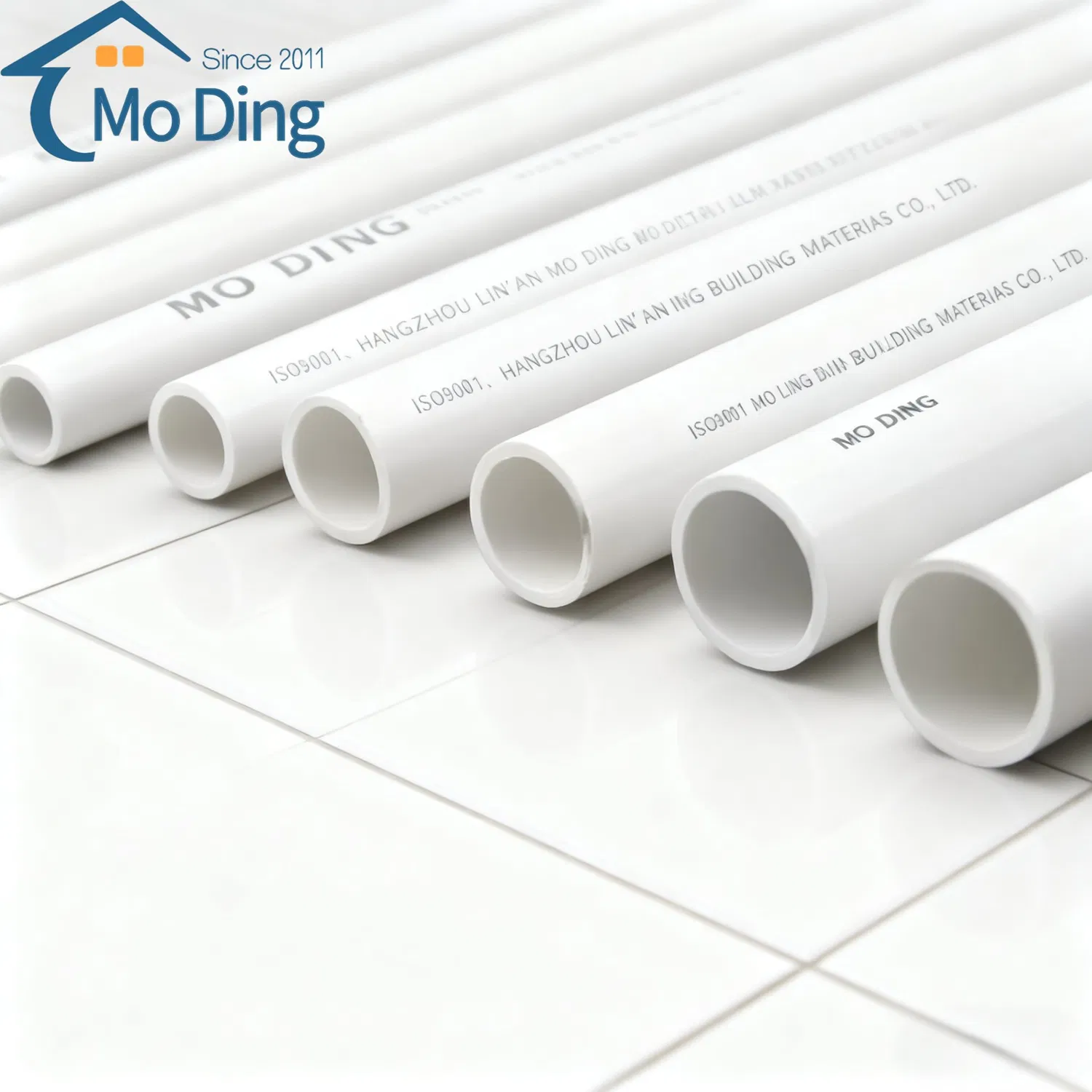
| Model NO. | pipe |
| Material | PVC |
| Kind | Drainage System |
| Water Absorption | 0.12%~0.25% |
| Contraction Percentage | 1.0%~2.5% |
| Tensile Strength | 51~80MPa |
| OEM ODM | Workable |
| Certification | Follow The Buyer's Standard |
| Transport Package | Carton+ Pallet |
| Specification | 120x100x120 |
| Trademark | Wandy |
| Origin | China |
| HS Code | 391723 |
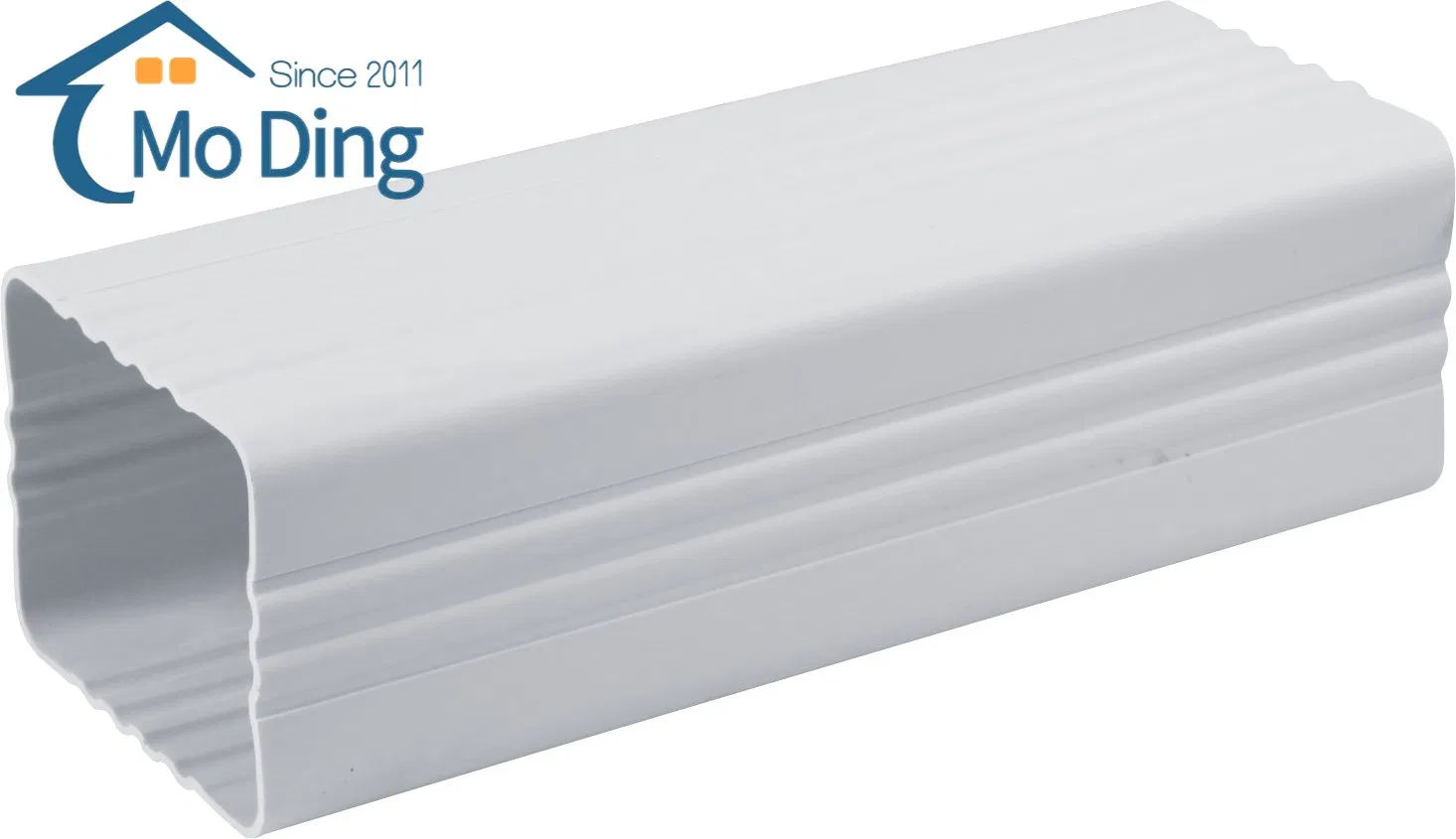
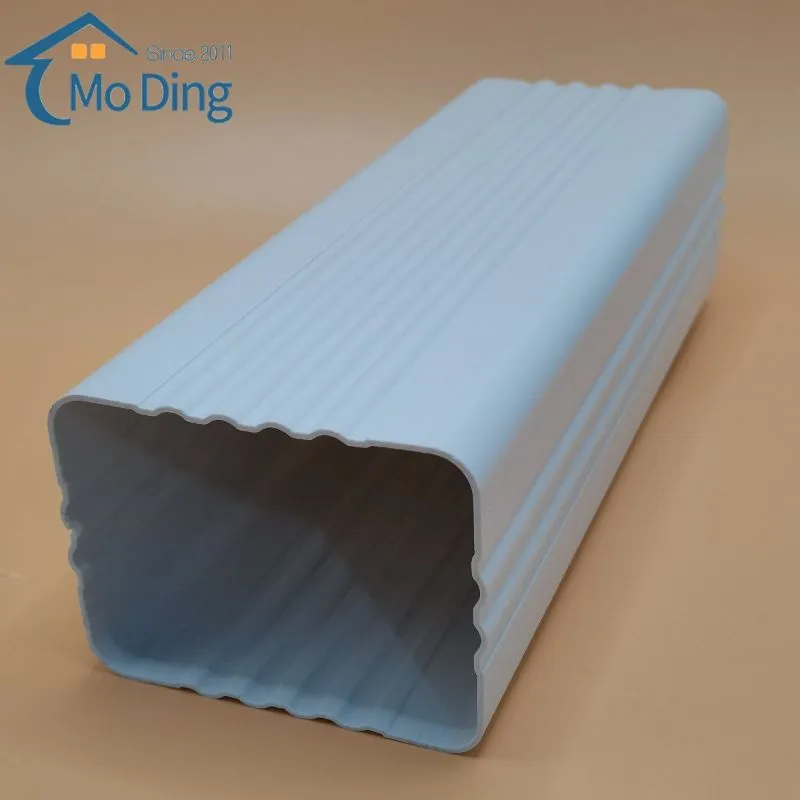
The PVC 7-Inch Square-to-Round Adapter is an essential transition fitting designed to connect square-profile gutter outlets to round downspout systems. Made from high-quality, weather-resistant PVC, this adapter ensures a smooth and secure flow of rainwater from your gutter to the drainage pipe below.
Engineered for both functionality and durability, the adapter features a precision-molded design that fits seamlessly with 7-inch square gutters and standard round downpipes. Its UV-stabilized construction resists cracking, discoloration, and corrosion, making it ideal for long-term outdoor use in various climates.
Whether you're upgrading an existing gutter system or installing a new one, the PVC 7-Inch Square-to-Round Adapter provides a simple, effective solution to prevent leaks, ensure proper water direction, and maintain the integrity of your rainwater drainage system.
Key Features
Universal Fit for 7-Inch Gutters
Designed to connect 7-inch square gutter outlets to standard round downpipes with a tight, secure fit.Durable PVC Construction
Made from high-quality, impact-resistant unplasticized PVC (uPVC), ensuring long-lasting performance in all weather conditions.UV & Weather Resistant
Built with UV stabilizers to prevent cracking, fading, and brittleness from sun exposure and harsh outdoor environments.Leak-Proof Design
Smooth, molded transitions ensure optimal water flow without leakage at the joint between gutter and downpipe.Easy Installation
Lightweight and compatible with standard PVC cement or rubber gasket seals-no special tools required.Corrosion-Free
Unlike metal fittings, this adapter resists rust, corrosion, and chemical damage-ideal for coastal or industrial areas.Low Maintenance
Smooth inner surfaces reduce debris buildup, making cleaning and upkeep easier.Compatible with Various Downpipe Sizes
Can be customized or used with step-down inserts to fit different round downspout diameters.Discreet Appearance
Sleek, neutral-colored finish blends seamlessly with most gutter systems for a clean, professional look.Environmentally Friendly
Made from recyclable PVC material with low environmental impact during production.
Product Specifications - PVC 7-Inch Square-to-Round Adapter
Parameter Details Product Name PVC 7-Inch Square-to-Round Adapter Function Transitions a 7" square gutter outlet to a round downpipe Material Unplasticized Polyvinyl Chloride (uPVC) Color White / Gray / Customizable upon request Outer Dimension (Square End) 7 in × 7 in (approx. 178 mm × 178 mm) Inner Diameter (Round End) Ø 4 in, Ø 5 in, Ø 6 in (customizable to fit standard pipes) Wall Thickness 2.5 mm - 4.0 mm (depending on structural requirement) Height (Overall) 150 mm - 200 mm Weight Approx. 400-600 g (depending on size and wall thickness) Operating Temperature Range -10°C to 60°C (14°F to 140°F) UV Resistance Yes - UV-stabilized for outdoor use Chemical Resistance Resistant to acids, alkalis, and environmental pollutants Standards Compliance ISO 3633 / ASTM D1785 / EN 607 (as applicable) Installation Type Push-fit or solvent weld connection Packaging Bulk or individual packaging with PE bag + carton box Typical Applications Residential, commercial, and industrial gutter drainage systems
1. Material Sourcing
PVC Resin:
Source high-grade unplasticized PVC (uPVC) resin that meets international standards for outdoor building components. The selected resin should offer high weather resistance, low water absorption, and UV stability to withstand harsh sunlight and seasonal temperature variations.
Functional Additives:
The formulation should include:
UV Stabilizers - to prevent discoloration and degradation under sunlight.
Impact Modifiers - to enhance durability and crack resistance, especially in colder climates.
Processing Aids - to improve extrusion and molding performance.
All additives must be carefully selected to meet the structural and functional demands of rainwater hopper systems.
2. Design and Prototyping
Custom Design Options:
based on installation preferences and regional requirements, develop a range of hopper configurations compatible with Mo Ding's 7-inch gutter systems. Key focus areas include:
Hopper shape (round, square, tapered)
Outlet positioning and sizing
Compatibility with downpipes and leaf guards
Prototype Validation:
Produce physical samples for evaluation. Conduct functional testing to ensure:
Efficient water flow
Secure fit with gutters and downpipes
Structural integrity under load
Ease of installation for end users
3. Manufacturing Process
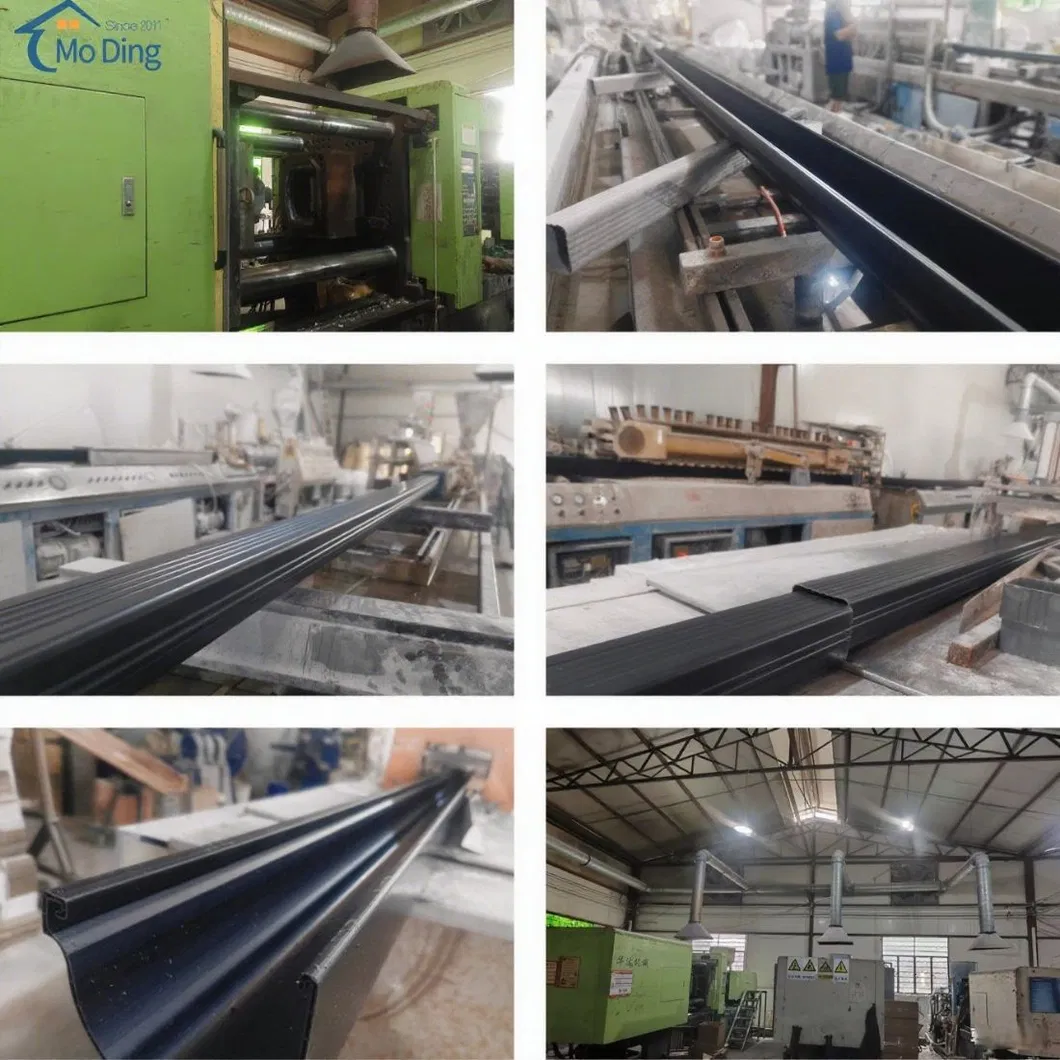
Injection Molding:
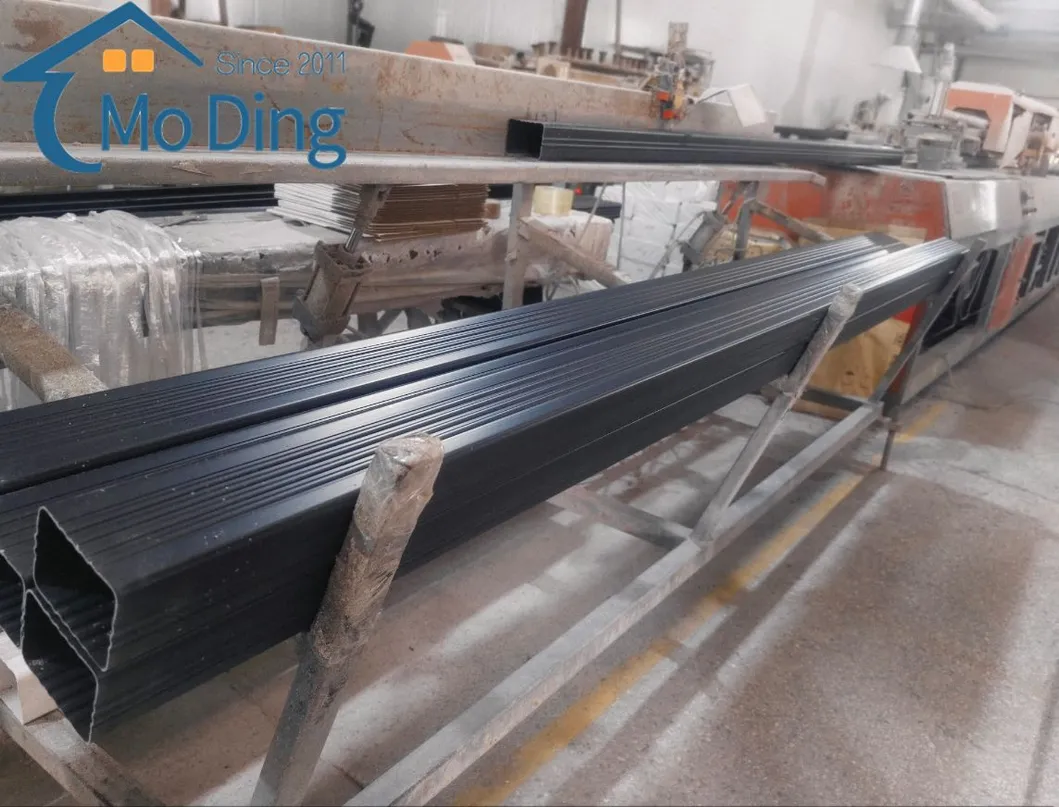
Rainwater hoppers are typically produced via injection molding for accurate form, consistent wall thickness, and high repeatability. Ensure:
Molds are maintained and free from wear
Machine settings are optimized for PVC (temperature, pressure, cycle time)
Demolding and cooling systems preserve product shape
Surface Finish & Labeling:
Apply textured finishes or smooth gloss as required. Product labeling (size, logo, batch code) may be hot-stamped or engraved.
4. Quality Control
Dimensional Accuracy:
Conduct regular measurements of:
Inlet and outlet diameters
Wall thickness
Overall hopper dimensions
Tolerance levels should align with industry standards.
Impact and Strength Testing:
Use drop tests and static load simulations to ensure the hopper performs under real-world stress and weather conditions.
UV and Weather Resistance Tests:
Accelerated aging and UV chamber testing are performed to verify long-term outdoor stability.
Water Tightness:
Perform leak tests at all joints and outlet points to ensure water flows correctly with no seepage under pressure.
5. Logistics and Distribution
Inventory Management:
Implement digital inventory tracking to monitor:
Raw material stock levels
Production throughput
Finished goods ready for shipment
Packaging Solutions:
Each hopper is packed in protective wrap or shrink film, with carton or crate options for bulk transport. Custom labeling and QR codes can be added for easy logistics and tracking.
Shipping Protocols:
Ensure secure, upright positioning during transport to avoid deformation. Use stackable crates or modular packaging to maximize space and reduce freight costs.
6. Customer Feedback and Product Improvement
On-Site Monitoring:
Gather customer usage data post-installation. Monitor reports on:
Leaks or clogging
Fit with 7-inch systems
Weather-induced damage
Continuous Optimization:
Integrate feedback into design iterations and production improvements. Explore automation and precision tooling to enhance efficiency, consistency, and cost control.
7. Compliance and Certifications
Ensure all Mo Ding 7-inch rainwater hopper products meet or exceed relevant standards, including but not limited to:
ISO 1452 for plastic piping systems
ASTM D1785 for PVC components
EN 607 / EN 12200 for rainwater accessories
Compliance with regional environmental and building codes
Apply for third-party certifications where applicable to enhance trust and product credibility.
Key Focus Areas for Mo Ding Production Success
Efficiency: Optimize molding cycles, reduce waste, and streamline logistics for maximum productivity.
Sustainability: Reuse PVC scrap in non-critical parts and adopt recyclable packaging materials.
Customer Service: Offer installation guidance, technical support, and responsive after-sales service to build long-term trust.
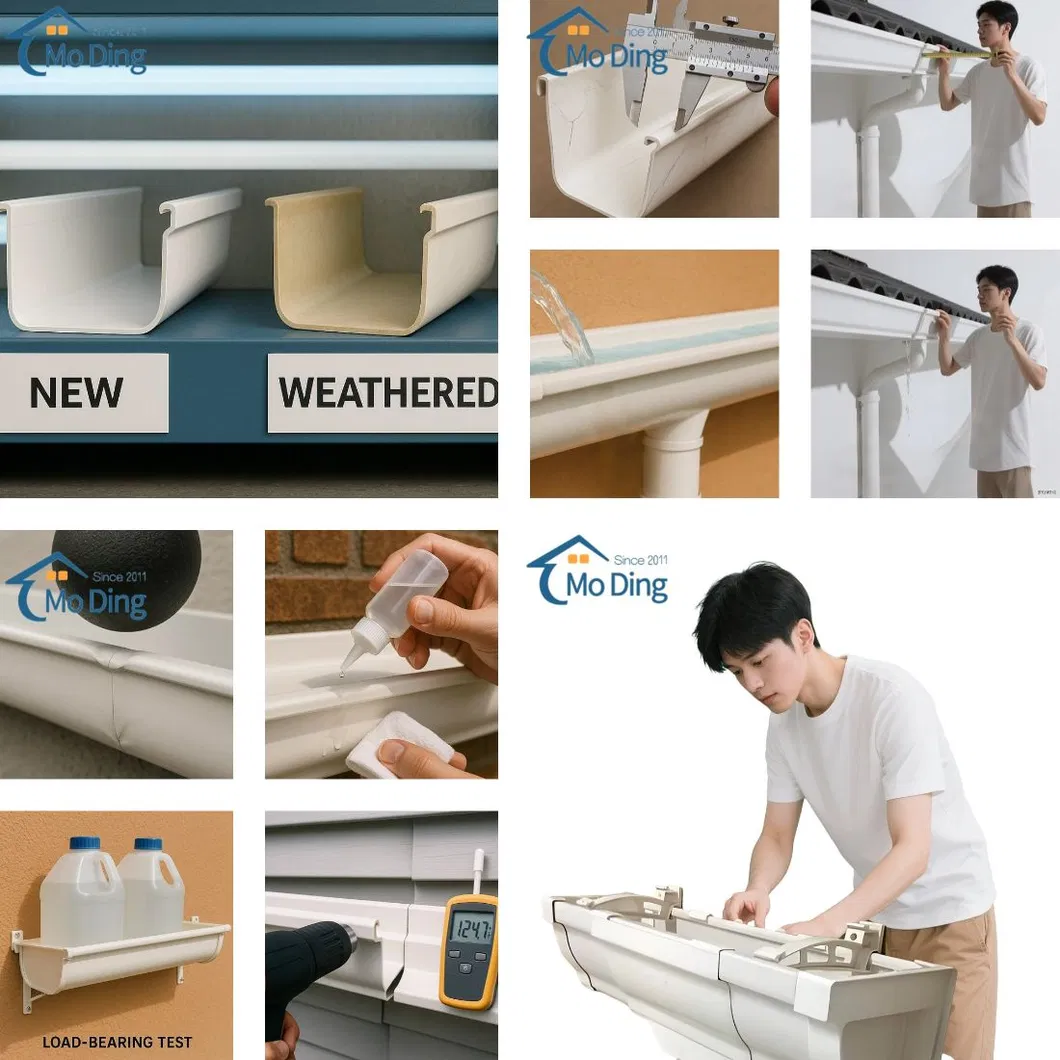
Mo Ding 7-Inch Gutter System Rainwater Hopper - Quality Control & Testing Standards
1. Raw Material Quality
Checkpoints:
Verify the purity, consistency, and batch quality of uPVC resin used in hopper molding
Confirm the correct formulation with essential additives:
UV stabilizers (for outdoor performance)
Impact modifiers (for strength and durability)
Lubricants and colorants (for processability and aesthetic consistency)
Inspect for contamination, excess moisture, or improper mixing
Tests:
Visual inspection of raw granules
Melt Flow Index (MFI) test
Laboratory testing for impact resistance and UV stability
2. Molding Process Parameters
Checkpoints:
Monitor barrel temperature, injection speed, holding pressure, and cooling time
Ensure mold alignment and cavity condition for consistent hopper shape and wall uniformity
Targets:
Even material flow, uniform wall thickness
Smooth, dimensionally accurate hopper body with no warping or sink marks
QC Actions:
Record molding parameters for every batch
Inspect molded hoppers for air bubbles, streaks, voids, or flashing defects
3. Dimensional Accuracy
Checkpoints:
Measure inlet/outlet diameters, wall thickness, height, and overall profile
Tools:
Calipers, micrometers, go/no-go gauges, profile jigs
Tolerance:
±0.2 mm to ±0.5 mm depending on part dimensions and interface compatibility
4. Mechanical Strength
Checkpoints:
Confirm hoppers can endure mechanical stress, such as water pressure surges and downpipe loading
Tests:
Drop impact test
Static load simulation
Hydraulic leak resistance test at the outlet
5. Surface Finish
Checkpoints:
Verify that the surface is smooth, clean, and meets required texture (matte or gloss)
Inspect for:
Scratches
Discoloration
Sink marks or weld lines
Surface contamination or blemishes
Defects to Avoid:
Cracks, warping, material burn, voids, or incomplete molding
6. Fitting Compatibility
Checkpoints:
Ensure proper fit with Mo Ding 7-inch gutter profiles and corresponding downpipes
Inspect hopper outlet chamfering and connection geometry
Tests:
Manual fit test with standard socket, coupling, or pipe extension
Leak test post-assembly (especially for pre-integrated hopper units)
7. UV and Weather Resistance
Checkpoints:
Confirm hopper includes outdoor-grade UV stabilizers
Ensure color consistency and weather durability for long-term performance
Tests:
QUV accelerated aging test
Surface chalking and gloss retention test
Colorfastness check after prolonged UV exposure
8. Additional Processing Accuracy (if applicable)
Checkpoints:
For hoppers with drilled overflow holes or extra outlet slots, ensure correct placement and clean cutting
Tools:
Templates, jigs, tape measures
Tolerance:
Positional accuracy within ±1 mm
9. Final Inspection and Packaging
Checkpoints:
Conduct full visual and dimensional inspection before packaging
Verify total length, product markings, and lot identification
Packaging QC:
Use impact-resistant packaging (film wrap, PE bags, or carton boxes)
Stack properly to prevent deformation during storage or transport
Apply strapping and edge guards for palletized shipments
10. Documentation and Traceability
Maintain:
Batch-level production and QC inspection records
Material certificates and test reports
Operator logbooks and maintenance checklists
Records of non-conformance and corrective actions
Mo Ding Rainwater Hopper - Quality Testing Standards
Test Applicable Standard Purpose
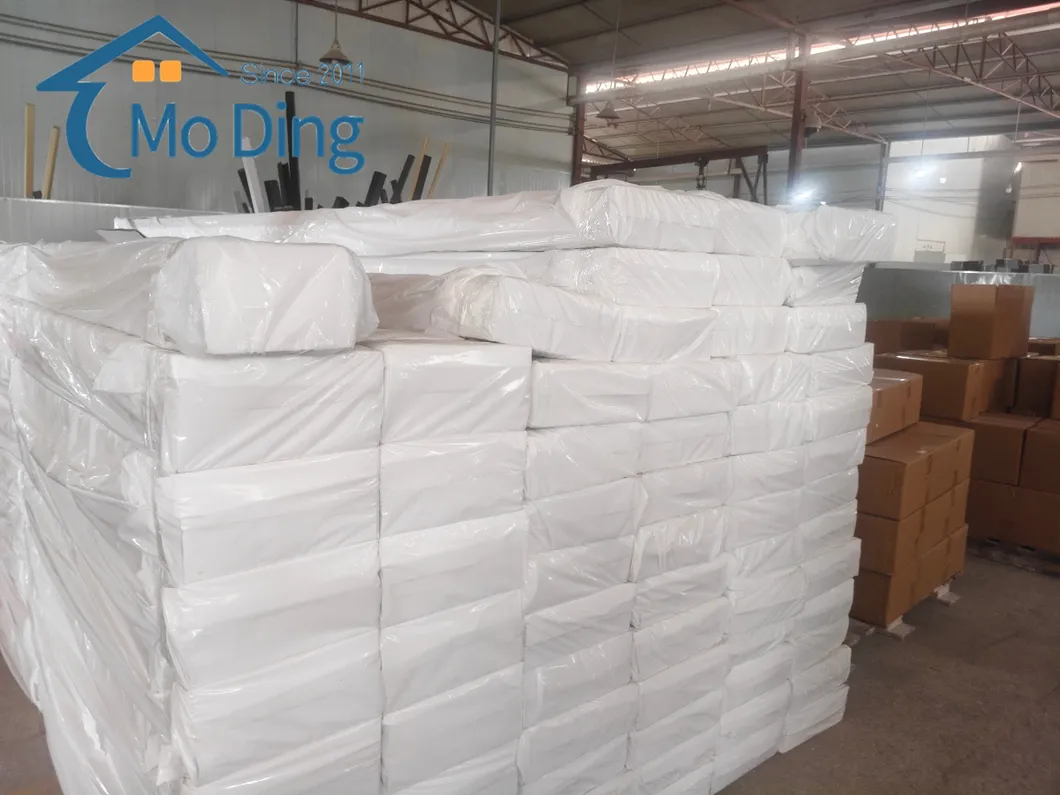
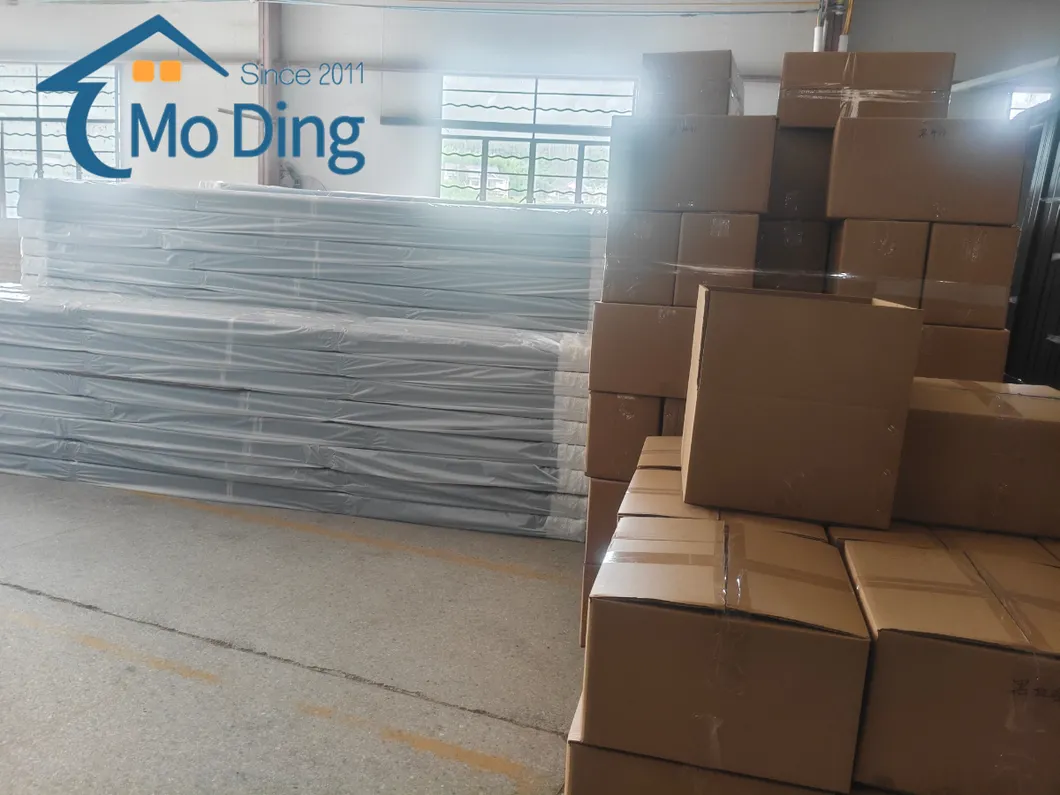
Proper packaging and delivery of rainwater hoppers are critical to maintaining product quality and ensuring safe arrival at customer sites. The following procedures outline best practices for preparing, packing, and shipping Mo Ding's 7-Inch Gutter System Rainwater Hoppers.
1. Preparation and Materials Needed
Before packing, gather the following materials:
7-Inch Rainwater Hoppers (clean, dry, and quality-checked)
Bubble wrap or foam padding (for surface protection)
Stretch film or shrink wrap (to secure bundles)
Corrugated cardboard sheets or protective edge guards
Zip ties or high-strength packing tape
Durable plastic or steel strapping
Heavy-duty cardboard boxes or wooden crates (for export or long-distance delivery)
Pallets (optional for bulk shipments)
2. Packing Process
a. Clean and Inspect
Ensure each hopper is clean, dry, and free from visible defects or deformation.
Perform a final quality check for scratches, cracks, or dimensional irregularities.
b. Group and Bundle
Group hoppers of the same model and dimensions together for efficient stacking.
Nest or align hoppers carefully to avoid shifting during transport.
Use zip ties or strapping to tightly secure grouped hoppers-tight enough to prevent movement, but not so tight that it deforms the plastic body.
c. Protect Critical Areas
Wrap each hopper or bundle with bubble wrap or foam padding, focusing on sensitive edges and outlet openings.
Use corner guards or corrugated cardboard at vulnerable points to prevent impact damage during stacking or handling.
d. Wrap and Seal
After padding, wrap the entire bundle in stretch film or shrink wrap to hold it securely.
Ensure the wrap is tight, covering all sides to protect from dust, moisture, and minor abrasion.
3. Delivery Guidelines
a. Clear Labeling
Attach water-resistant labels to each bundle or box.
Include key details such as:
Product Name & Size (e.g., 7-Inch Rainwater Hopper)
Quantity
Handling Instructions ("Fragile", "Do Not Stack", "Top Load Only", etc.)
Destination and batch tracking info
b. Strategic Loading
Load hoppers flat and evenly supported inside transport vehicles or containers.
Avoid placing heavy objects on top of hopper bundles to prevent crushing.
For larger items or long hoppers, ensure vehicle support spans the full base length to prevent bending or stress points.
c. Palletization (for Bulk Orders)
Place bundles on sturdy pallets, stacked uniformly for balance.
Secure the load with strapping and wrap the entire pallet in shrink film for extra protection.
Label the pallet clearly with order information and ensure forklifts can access it without damaging the contents.
Additional Tips for Export or Long-Distance Shipping
Use wooden crates or reinforced cardboard cartons for overseas or fragile shipments.
Desiccant bags can be added to packaging for moisture-sensitive orders.
Include a packing list or bill of lading with every shipment for traceability and customs clearance.
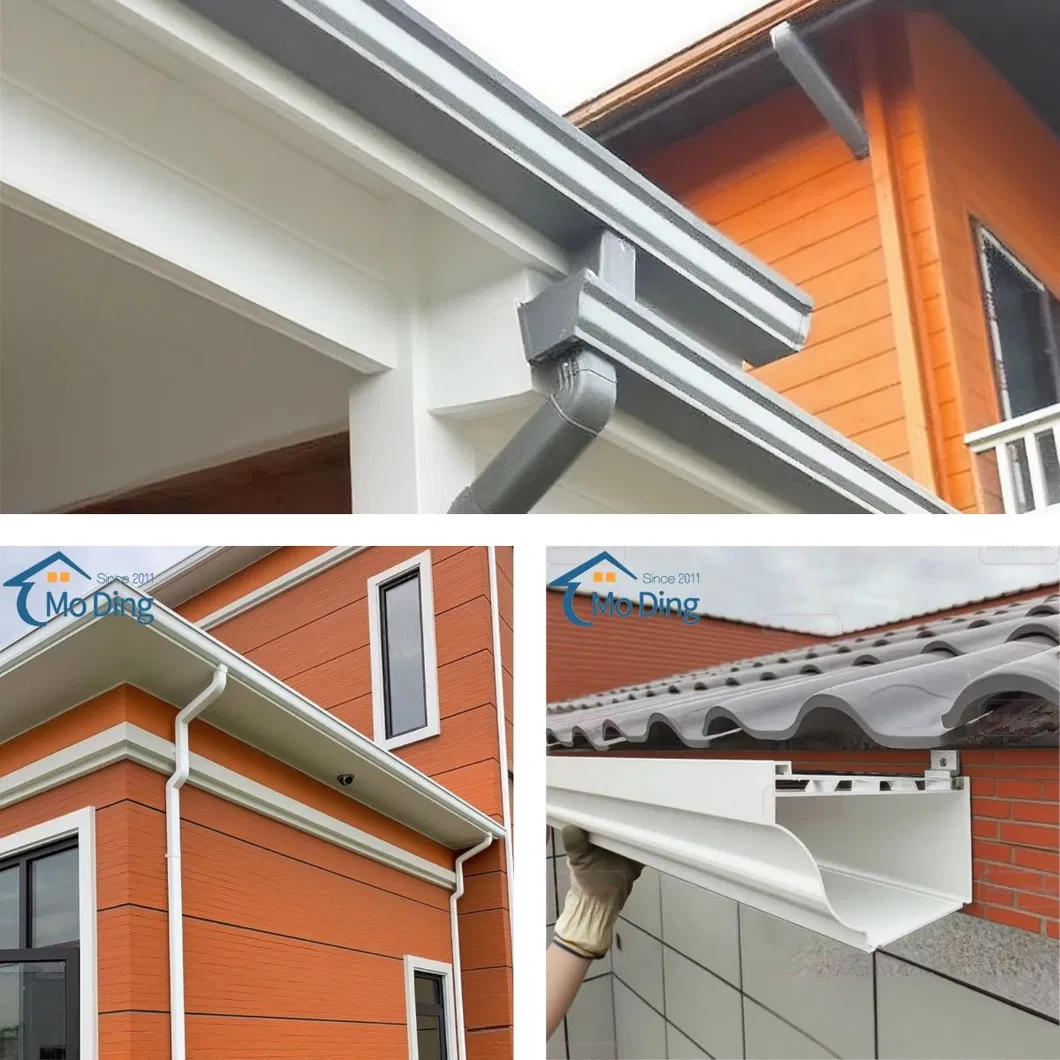
Applications of PVC Gutters and Accessories in Building Construction
Mo Ding's high-performance PVC gutter systems and accessories are engineered to support efficient rainwater management in both residential and commercial structures. Their lightweight, durable, and corrosion-resistant properties make them a preferred choice for modern construction projects.
1. Roof Rainwater Drainage
Primary Function:
PVC gutters are designed to collect and direct rainwater from the roof to downpipes, preventing water damage to walls, foundations, and landscaping.
Benefits:
Prevents erosion and structural dampness
Eliminates overflow and water stains on exterior walls
Low maintenance and rust-free operation
2. Rainwater Harvesting Systems
Application:
When paired with downspouts and collection tanks, PVC gutter systems efficiently channel rainwater for non-potable uses such as garden irrigation, flushing toilets, or washing vehicles.
Advantages:
Improves sustainability in green building projects
Maintains clean water flow with smooth interior surfaces
Easy to integrate with filters and first-flush diverters
3. Stormwater Management
Application:
Gutters and accessories like elbows and drop outlets help divert stormwater safely away from buildings during heavy rainfall.
Advantages:
Reduces the risk of basement flooding
Prevents soil washout near foundations
Compatible with underground drainage systems
4. Façade and Foundation Protection
Application:
Properly installed gutter systems prevent rainwater from dripping down exterior walls and accumulating at the base of a structure.
Benefits:
Protects exterior paint and cladding
Minimizes the risk of mold and mildew
Preserves the integrity of foundations and basements
5. Aesthetic Integration
Application:
Modern PVC gutter profiles are available in various colors and finishes, allowing seamless blending with the building's architectural style.
Benefits:
Conceals drainage functionality with clean lines
Offers visual uniformity without compromising on performance
Color-stable and UV-resistant for long-lasting appearance
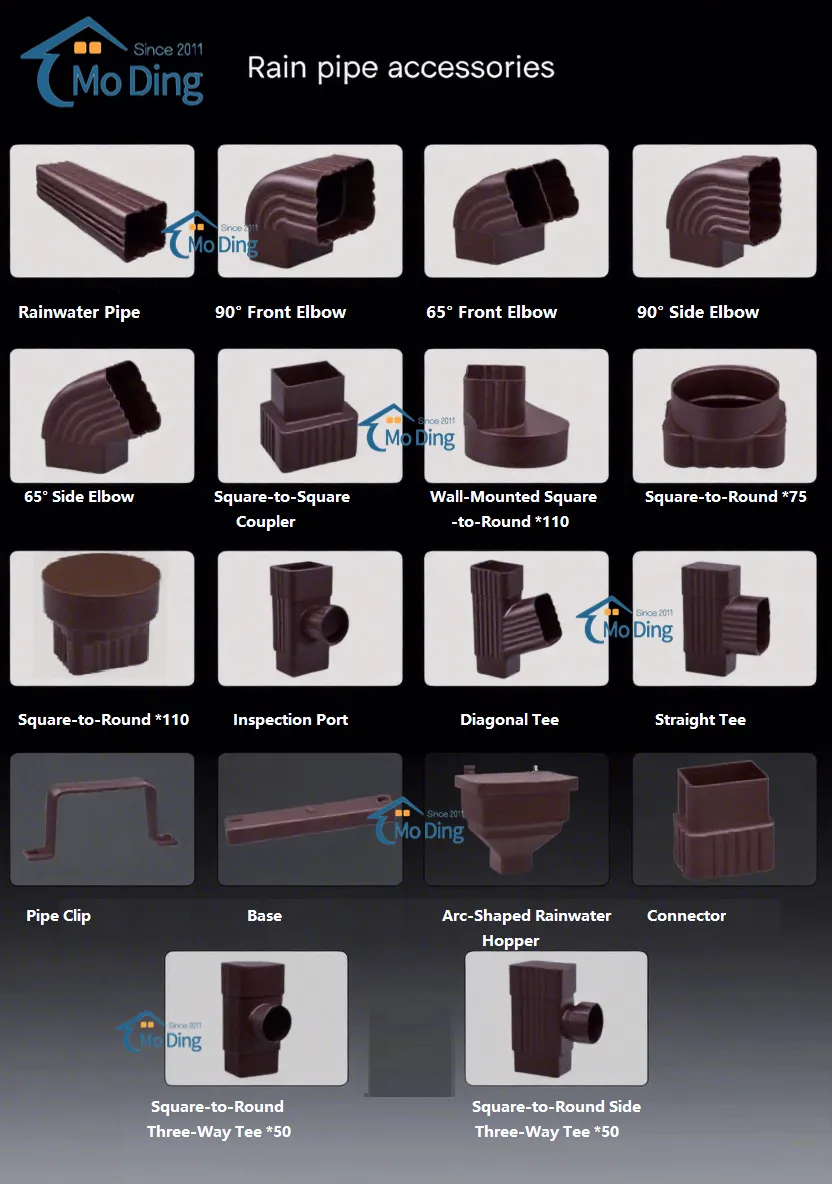
Gutter Accessories and Their Functional Applications
Accessory Function / Application
Accessory Function / Application
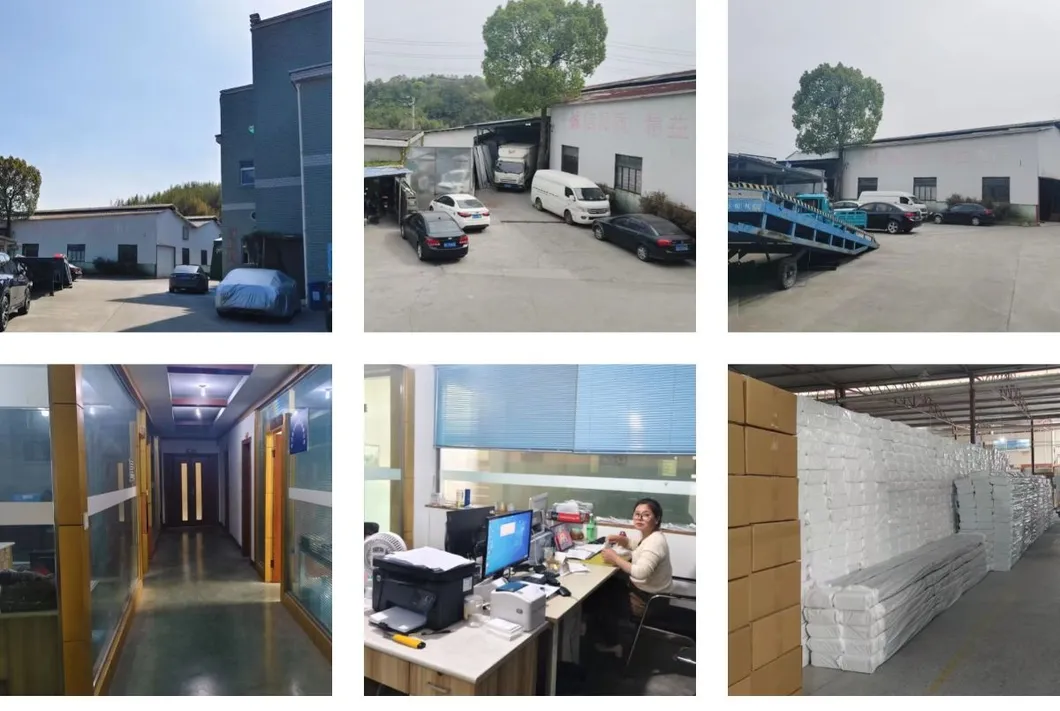
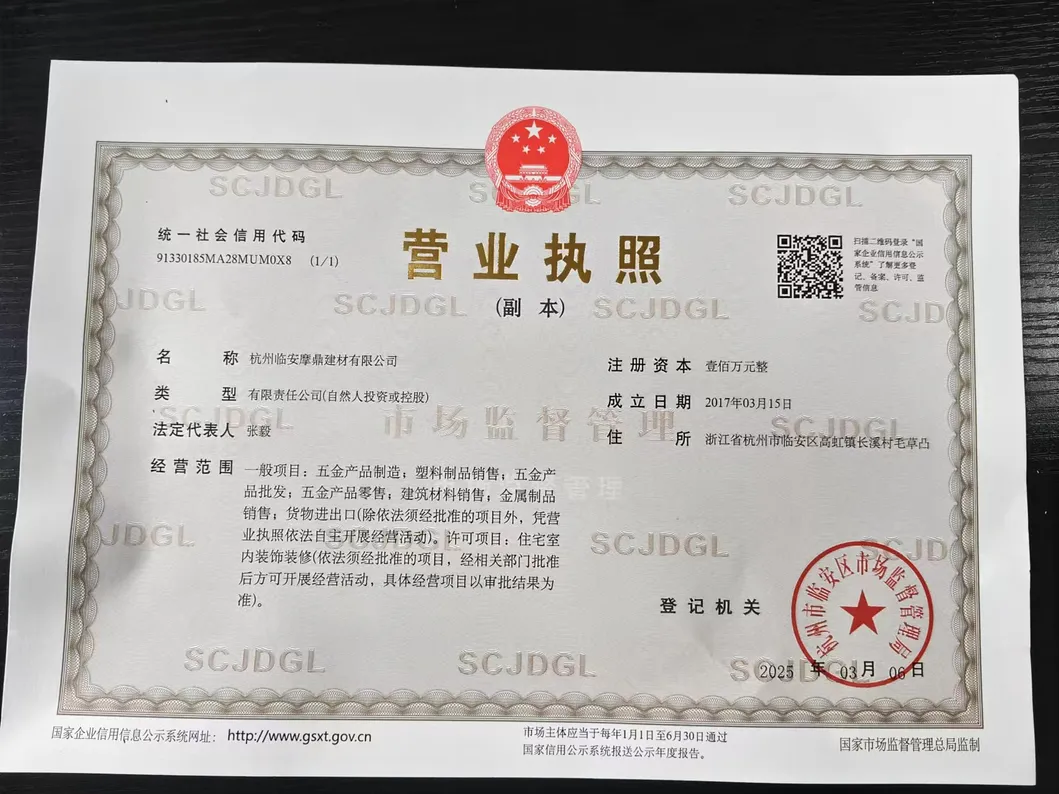
Introduction to Services Offered by Hangzhou Lin'an Mo Ding Building Materials Co., Ltd.
Founded in 2011 and based in Gaohong Industrial Park, Hangzhou Lin'an Mo Ding Building Materials Co., Ltd. is a high-tech enterprise specializing in the research, development, production, sales, and technical support of advanced building materials. The company is a recognized leader in high-performance drainage systems and eco-friendly construction solutions.
Mo Ding offers a comprehensive range of products and services, including PVC and aluminum alloy drainage systems, wall and ceiling panels, and a full suite of components designed for durability and environmental sustainability. Its flagship product-the Ward high-performance rainwater system-features innovative design and materials that deliver twice the drainage efficiency and exceptional resistance to harsh weather conditions.
The company provides end-to-end solutions, from design consultation and technical guidance to installation and after-sales service. With a strong commitment to quality, Mo Ding adheres to ISO 9001 standards and offers certified, lead-free products that support green building initiatives. Serving both domestic and international markets, Mo Ding partners with architects and developers to deliver stylish, long-lasting, and leak-free drainage solutions for residential, commercial, and landmark projects.
Driven by innovation and sustainable development, Mo Ding continues to expand its global presence and strives to be a leading brand in green building materials.