



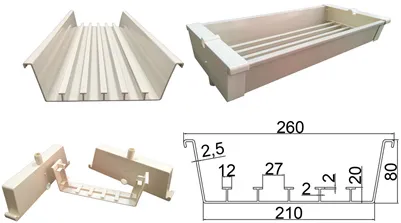

| Model NO. | ABS |
| Certification | ISO |
| Plastic Properties After Heated | Thermoplastic Plastics |
| Plastic Forming Method | Injection |
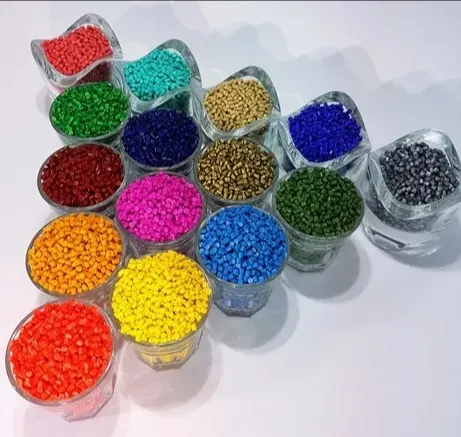
| Other Colors | White/Transparent/Black |
| Other Features | Low Temperature Resistance/Antistatic/Flame Retard |
| Application | Sports Equipment/Electric Tool Accessories/Profil |
| Feature Level | High Impact/High Temperature/High Temperature Resi |
| Certificatio N | ISO, CE |
| Delivery | Within 15days |
| Mfr | 0.935 G/10min |
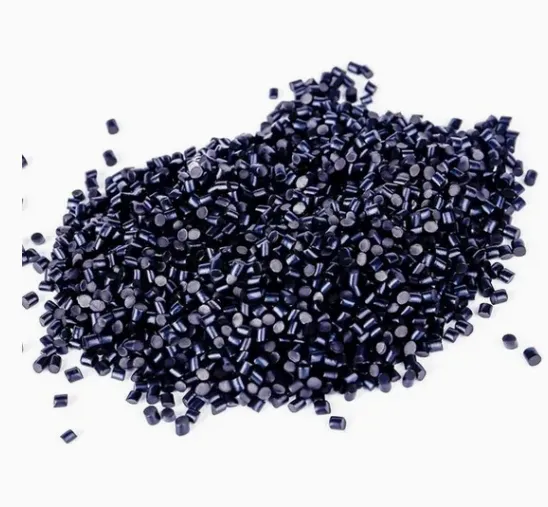
| Form | Granule |
| Name | PP |
| Carrir | PP/Polypropylen E |
| Variety | PP Homopolymer/PP Copolymer |
| Grade | Injection Molding Level Extrusion Level Blow Mold |
| Use | Auto Parts/Home Appliance Parts/Pipes |
| Transport Package | Package |
| Specification | 25KG |
| Trademark | KUNLUN |
| Origin | Hebei |
| HS Code | 390210009 |
| Production Capacity | 400000 Tons Per Year |
Product Description
PP Polypropylen e is a white waxy material with a transparent and light appearance. The chemical formula is (C3H6)n, the density is 0.89~0.91g/cm3, It is flammable, with a melting point of 189ºC, softening at about 155ºC, and the use temperature range is -30~140ºC . It is resistant to corrosion by acids, alkalis, salt solutions and a variety of organic solvents below 80°C, and can be decomposed under high temperature
Detailed Photos


Product Parameters
Application
Polypropylen e (PP) is a thermoplastic material used in a wide variety of applications including packaging, labeling, textiles, etc. Due to high processability and low cost, PP is one of the most extensively produced polymers, especially, for auto industry. Pristine PP is resistant to photo-oxidation and thermal oxidation at moderate temperatures. However, PP is sensitive to various external aging environments (such as heat, light, and radiation), and, hence, has a relatively low service temperature.When PP is exposed to high temperatures or to an irradiation environment, the tertiary hydrogen atoms present in PP chains are susceptible to be attacked by oxygen. It is well known that PP oxidation depends on both light and temperature in outdoor aging conditions. PP can also be photo-degraded because several molecular chains are affected in the wavelength range from 310 to 350 nm.
Used with ram- and screw-injection machines. For automotive, housewares, general molding products and multi- and monofiliment fiber.