
One. Should antique bricks be soaked in water before installation?
Earthen bricks require soaking, while glazed bricks do not. More accurately, bricks with high water absorption rates require soaking, while those with very low water absorption rates do not. Imitation antique bricks are a type of glazed ceramic tile, with a body made of earthenware (water absorption rate around 3%) or earthenware (water absorption rate around 8%). Generally, imitation antique bricks have earthenware bodies, so soaking is required.
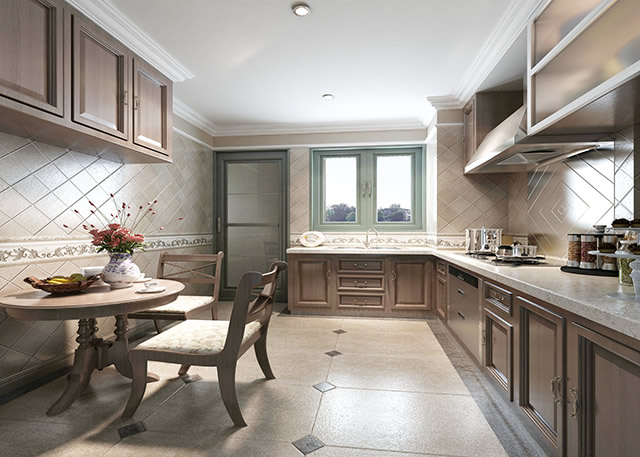
In actual renovations, most wall tiles are exposed to moisture. Most floor tiles are not used. However, this is a general trend, not an absolute rule. It is important to note that tiles with high water absorption rates will absorb water. If you do not pre-wet the tiles, they will absorb water from the cement mortar during installation, leading to issues such as air pockets, detachment, and cracking.
Two. What is the appropriate soaking time for antique bricks?
Soak the imitation bricks in water for approximately 2 hours, or until no air bubbles appear. When soaking imitation bricks, it is recommended to soak them in smaller batches rather than all at once, as soaking all the bricks at once may void the warranty.
In addition to soaking the substrate before laying, there are also some important considerations for laying antique bricks. Interested parties can learn more.
Three. important considerations for installing antique-style bricks.
1、When laying imitation bricks, different models and construction requirements typically require a 2-5mm brick joint, especially for imitation bricks along natural edges, to showcase a natural, antique design. A brick joint of 5-8mm is preferable.
2. For products with beveled edges, consider the product's features and construction safety (shrinkage and expansion), and ensure that the mortar joint is 2-3mm in width.
3. Daily cleaning and maintenance of imitation bricks is relatively simple. Simply maintaining the surface of the bricks is sufficient; no waxing is required.
4. After applying to a certain area, use a sealant to fill the joints and smooth the surface. Finally, remove any debris from the brick surface, such as cement mortar, water, and stains, and provide proper maintenance.