
One、The installation methods for sinks are as follows:
1、Under-sink basin
Undersink basins are a common installation method, particularly for homeowners who choose stainless steel basins. In this case, an undersink basin is the only option. Currently, installation methods in China mainly include undersink basins with no steps and those with steps. Undersink basins have several advantages, the most notable being their aesthetic appeal. Because the basin is below the countertop, it is easier to maintain.
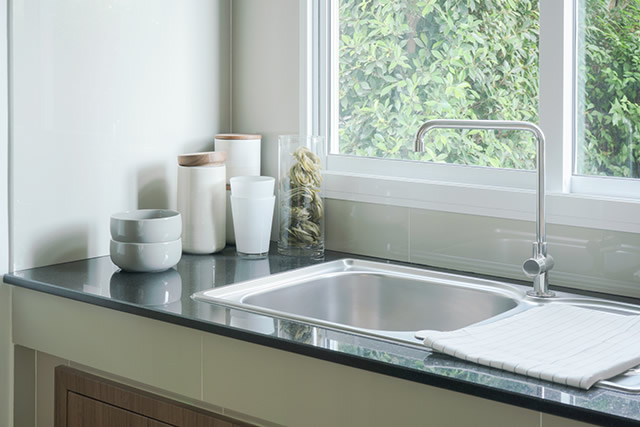
There are also certain drawbacks to installing under-sink drains: the installation process requires specific conditions, and high standards are required for the countertop, leading to increased renovation costs. Furthermore, installing under-sink drains often incurs additional charges, and the seams can become a breeding ground for bacteria and mold.
2、Top-mounted channel
The countertop installation method is the most common, and it can be used with granite, ceramic, or stainless steel sinks after drilling the holes. The sinks can then be directly installed, and the surrounding areas can be sealed with silicone. This method is very convenient and has a relatively low installation cost, which is its main advantage.
One disadvantage of countertop sinks is that they can be difficult to clean around the sink and countertop, and over time, the silicone sealant can degrade and crack, leading to water leakage.
3、Integrated
The recessed installation method for sinks is a less common installation technique. The installation process is relatively complex, as the sink and countertop are not at the same level. This method can effectively address countertop height differences, particularly when the sink is positioned higher, reducing the need for bending. Recessed installations are commonly used for ceramic sinks, allowing for customized designs and easy cleaning.
The disadvantage of this approach is the time and effort required to source materials, as well as the need to design the cabinet carcass structure separately.
4、Flat surface type
The "flat surface" installation method for sinks is common in foreign countries, but it presents significant construction challenges and requires a high level of skill from the installer. To ensure a seamless connection between the sink and countertop, precision is crucial. This method is suitable for flat-edged stainless steel or undermount stainless steel sinks, as well as granite sinks. Granite sinks with angled edges facilitate the application of silicone sealant, ensuring a watertight seal. The "flat surface" installation provides a visually appealing result with minimal gaps, making cleaning easier.
The only drawback of this method is that it is time-consuming and expensive, which is why it is not typically chosen for home renovations.
5、All-in-one
The integrated installation method for sinks requires that the countertop and sink materials remain consistent, with common options being artificial stone and stainless steel. The advantages of this integrated installation method include high aesthetics and a unique, customized design.
While an integrated sink installation may look aesthetically pleasing, it comes with a significantly high cost. Furthermore, since the sink and countertop are integrated, replacing the sink alone is practically impossible.
Two. important considerations for installing sinks
1. When installing the sink, the space left on the countertop should correspond to the sink's volume. When ordering the countertop, inform the countertop supplier of the sink's approximate dimensions to avoid the need for rework.
2、The inlet pipe of the faucet is connected to the inlet switch at one end. During installation, ensure the connection is secure, and also pay attention to the positions of the cold and hot water pipes to avoid any misconnections.
3. After the sinks arrive, the construction workers will cut the cabinet countertop to fit the sink size and install it. Matching mounting brackets should be installed between the sink and countertop. The sink must be securely installed, and the sink body should not wobble left or right. Installing a sink is not considered a major construction project, but it is important to pay close attention to the sealing of the connections during installation.
4. After installation, a drainage test should be performed. Fill the sink with water and test the drainage and overflow holes. If any leakage is observed during the drainage test, immediate rework is required. After confirming that there are no leaks, the sink can be sealed. When sealing with silicone, ensure that the gap between the sink and countertop is uniform and free of leaks.