
One, Urea-Formaldehyde
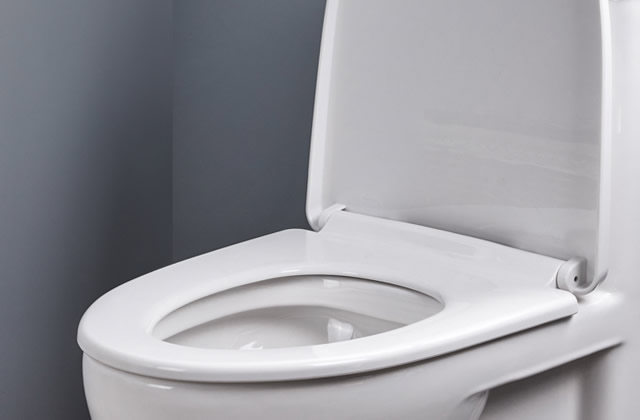
Currently, there are some high-end toilet seat covers made from urea-formaldehyde (niào quán) material available on the market. These covers are manufactured by first grinding the raw materials into a powder and then producing them under high pressure. These covers have a smooth, porcelain-like appearance, excellent wear and scratch resistance, and are easy to clean. However, they are very expensive and are typically used on high-end toilets.
Two. PP board
PP board is a modified plastic material, a vacuum-formed film, with high hardness and is commonly used in toilet lid applications. Although it has high hardness, it is also brittle and has poor heat resistance. However, it is sufficient for producing ordinary toilet lids.
Three. PVC
PVC and PP boards are very similar in many aspects, so many people consider them to be the same material. However, this is not the case. PVC has lower heat resistance and a softer texture, making it prone to breakage, and it is also less environmentally friendly.
IV. ABS
ABS material is currently the most produced and widely used polymer. It possesses excellent mechanical properties with a balance of toughness, hardness, and rigidity. Furthermore, ABS is one of the five main synthetic resins, and it exhibits good impact resistance, heat resistance, cold resistance, and chemical resistance, making it a preferred material for smart toilet lid selection.
Five、Wood
Currently, there are also wooden toilet seat options available on the market, but they are not commonly used. Typically, wooden toilet seats are used in conjunction with wooden toilets. Wooden toilet seats are manufactured by processing wood and applying special treatments to provide waterproofing, but due to the higher production costs, their prices are also higher.
VI. Acrylic
Acrylic is a specially processed organic glass. This type of glass exhibits excellent gloss and color, as well as high hardness, making it ideal for producing aesthetically pleasing toilet lids. However, due to its higher production costs, it is currently used primarily in high-end toilet applications.