
One、The washing machine drain pipe can be directly inserted.DrainIs there anything I can help you with?
No, it is not advisable to directly connect the washing machine drain to the drain. This practice is incorrect and can lead to various problems and inconveniences. Here are some common issues that arise from directly connecting the washing machine drain to the drain:* Clogging: The washing machine's wastewater, which contains lint, hair, and other debris, can easily clog the drain.* Water Damage: If the washing machine's drain is not properly sealed, it can leak and cause water damage to the surrounding area.* Poor Drainage: The drain may not be able to handle the large volume of water from the washing machine, leading to slow drainage and potential flooding.* Damage to Plumbing: The force of the water from the washing machine can damage the pipes and fixtures in the drain.
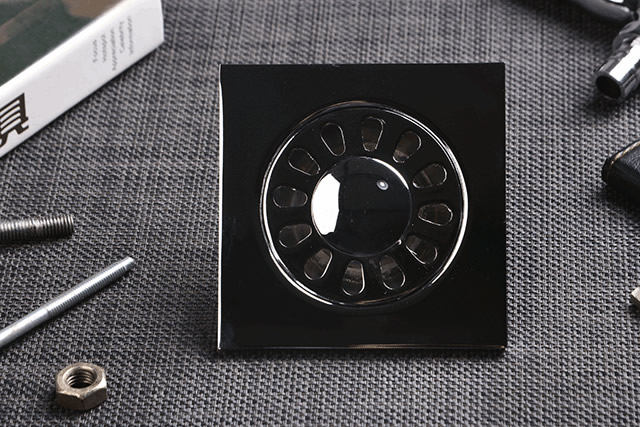
1、When draining laundry, the floor drain should drain water outwards.
Due to the large volume of water discharged by the washing machine through the drain pipe, the connection between the drain and the washing machine's drain pipe is limited. This can cause water to flow out from the gap between the drain and the washing machine's drain pipe during the washing machine's rapid draining process. This phenomenon is also known as drain backflow.
Furthermore, as the amount of water increases, the drainage of the drain becomes insufficient, leading to increased water flow out of the drain, resulting in a damp, dirty, and slippery floor. This necessitates frequent cleaning of the floor after each use of the washing machine, which causes significant inconvenience and is a major hassle.
2、When draining laundry, a large amount of foam comes out of the drain.
For everyday laundry, people typically use laundry detergent or laundry powder. During washing in a washing machine, a large amount of foam is produced, which is then discharged through the drain, along with foam from the detergent or laundry powder. This creates the illusion that the entire floor is being cleaned, which can be both amusing and inconvenient.
3. Prolonged use with excessive water and foam will shorten the lifespan of the washing machine.
Directly connecting the washing machine drain pipe to the drain will result in backflow and excessive foam, which will inevitably flow into the washing machine, keeping it in a constantly damp state. Over time, the washing machine's bottom and interior will rust, shortening its lifespan.
Two. How to connect the washing machine drain pipe to the floor drain.
1、Install a dedicated washing machine drain.
Remove the seal from the adapter, then place it on the drain. Remove the nut from the adapter, then align it with the drain cover. Remove the sealing ring from the outlet of the drain, then insert and tighten the ring around the core. Remove the sealing ring from the other end of the adapter, then insert it into the drainpipe. Reinstall the drain, and finally connect it to the drain.
2. Directly insert the washing machine's drain hose into the drain pipe.
The washing machine does not require a drain; instead, use a 50/40 drainpipe. Connecting the washing machine's drainpipe directly to the drainpipe is preferable. The washing machine's drainpipe should be 5-8 cm above the ground to prevent water accumulation in the drainpipe and ensure proper drainage. A seal must be applied at the connection between the washing machine's drainpipe and the drainpipe to prevent detachment, backflow, and unpleasant odors.