
I.DrainHow to eliminate unpleasant odors?
1. Clean the drain.
The drain in the bathroom emits an odor, which is usually caused by foreign objects lodged inside the drainpipe. These objects adhere to the inner wall of the pipe and cannot be flushed away by water pressure. Therefore, a drain cleaner is needed to remove the debris. First, pour the drain cleaner into the drain and let it sit for 1 hour to adhere to the debris on the pipe wall. Then, pour hot water into the drain to flush out the remaining debris and clear the drainpipe.
The drainage grates should be cleaned regularly, ideally every month or every three months.
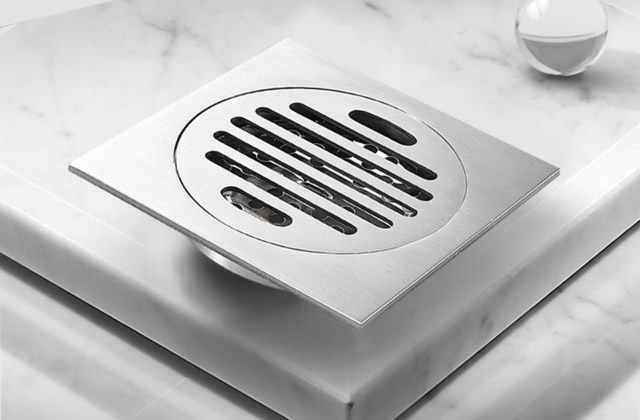
2、Replace the drain.
After cleaning the drainage pipes of the floor drain, it is necessary to replace a new, odor-proof floor drain to prevent the second spread of odors. Common types of odor-proof floor drains include silicone-based drains, water-sealed drains, and spring-based drains. The silicone-based drain offers the best odor-proofing performance among these.
3、Mask odors
The final solution is to mask the odor. After cleaning the pipes, there may still be some odors in the bathroom. Therefore, scented candles or diffusers can be used to mask the odor. These products are readily available online and can be chosen based on personal preference. once purchased, they can be placed in a corner of the bathroom to maintain a fresh environment.
II. How to check for issues with floor drains.
1、Water leakage issue
Common causes of overflow include:- Inefficient drainage due to obstructions in the drain opening.- Blockages caused by hair, fibers, and other debris accumulating within the drain.When replacing a drain, it is important to:- Choose a drain with a height suitable for the application, preferably with a height of 200mm or 120mm or less.- Ensure the drain is side-outlet to facilitate efficient drainage and prevent overflow.
2、 Odor issue
It is common for bathrooms in many homes to develop unpleasant odors. This is often due to the drain height being insufficient, leading to the accumulation of stagnant water and the release of foul odors into the room. If the drain does not have a return bend, adding one can prevent this. Alternatively, replacing the drain with a drain of the same specifications can also solve the problem. However, when replacing the drain, it is important not to damage the existing waterproofing layer, as this could lead to the problem recurring. To prevent this, it is advisable to periodically flush the drain with water to prevent it from drying out and causing odors. If the drain is not used for a period of time, such as when family members are away, it can be covered with a lid.
3、Water penetration issues
If water leakage occurs, it is usually due to the drain not being properly sealed to the existing drainage pipe during installation. The solution is to remove the drain and surrounding tiles, then excavate 3mm of the surrounding concrete, apply a waterproof sealant to the area, and allow it to dry completely. After a water test to ensure no leakage, restore the area to its original condition.