
I.faucetHow to remove/uninstall
1. Preparation work
First, prepare the necessary tools, such as screwdrivers, small wrenches, and pliers. If you only need to replace components such as gaskets, simply prepare the corresponding components. The operation is straightforward: tighten the upper valve first, then place a larger basin under the pipe to prevent water leakage due to incomplete closure.
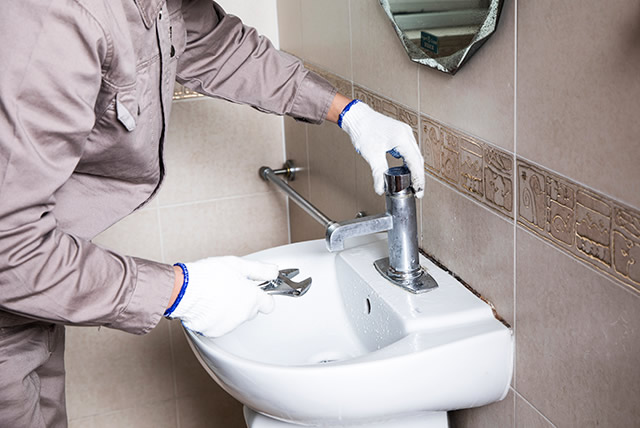
2、Begin dismantling
Close the main valve, remove the small screws on top or behind the faucet handle, and detach the handle from the faucet body. For some faucets, the screws are located under metal buttons, plastic buttons, or plastic covers. Simply open the button to reveal the screws holding the handle in place. However, it is important to note that when working with bathroom water supply pipes, you must exercise extreme caution to avoid damaging the pipes due to excessive force.
3、Separate the faucet from the sink.
In reality, many people don't know how to remove a faucet because they are unaware of the professional separation technique between the sink and the faucet. The correct procedure involves first securing the water supply, and then simply turning the wrench to easily detach the faucet.
4、Cut the joint using a saw.
After completing the above three steps, you will arrive at the crucial stage of removing the faucet: detaching the connecting area. It is recommended to use a specialized saw designed for faucet removal to cut through and discard the old, unusable faucet, rather than attempting to remove it manually.
Two. What to do if the faucet is too tightly tightened and cannot be removed?
1、The primary reason for an old faucet not turning is due to the corrosion of the screw. Avoid using excessive force to turn it, as the screw is highly prone to breakage, which can lead to water leakage. The solution is to use a spanner to loosen the faucet's cap slightly, then repeatedly turn on and off the water. once water flows out from under the cap, it can be easily removed.
2. Close the main water valve. When turning off the faucet, make sure to close the water inlet valve to prevent flooding. Try turning the valve in both directions; after the initial turn, the remaining turns will generally be easier, regardless of the direction.
3. Apply a few drops of kerosene to the faucet threads, wait a few minutes, and then tighten. Kerosene can provide some lubrication, making it easier to tighten. Alternatively, you can use machine oil or vinegar; apply it to the threads and wait for it to penetrate before attempting to tighten. Boil a pot of water and pour it over the external threads of the faucet. The expansion and contraction of the water can help to loosen the faucet slightly, but the effect is not as effective as using a lubricant.