
One. Installation of a complete bathroom
1、Install the sink
Place the sink in front of the countertop, seal the countertop with silicone sealant, then place the sink, ensuring it is level. After that, clean up any excess sealant that has been extruded. The drain pipe should not be used with a flexible hose; it must be connected with a rigid pipe and an S-bend (or P-bend) to create a water seal for easy drainage.
2、Install the sink
The installation method for the sink should be the same as that for the countertop basin, ensuring a water-tight seal for proper drainage. Additionally, the connection between the sink and the drain pipe must be sealed tightly, and should be filled with oil-based putty, not silicone.
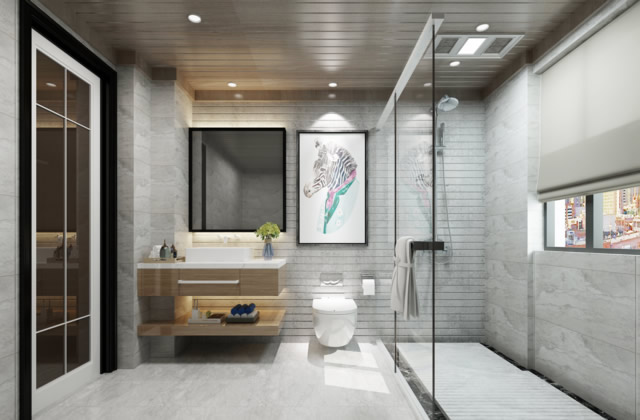
3、Install drain
When installing floor drains, ensure that the drain opening is 3-5mm lower than the overall floor level, while also ensuring unobstructed drainage and a "gurgling" sound.
4、Install faucet
When installing faucets, ensure they are level, secure, and watertight, while also ensuring smooth operation.
5、Install the bathtub
The installed bathtub must be level and secure. The drain should use a rigid pipe, not a flexible pipe. The drain should be inserted into the pre-embedded drain pipe, with a depth of no less than 3-5mm, and the connection must be sealed with a sealing material, and should not be loose.
6、Install the toilet
When installing the toilet, the pan diameter and the recess should be consistent, ensuring proper alignment. Seal the bottom with oil-based putty, and fix it using appropriate screws. The toilet should not be used for 24 hours after installation. During installation, do not use cement to seal the bottom. After 24 hours, flush the water tank to ensure proper water flow and a "gurgling" sound.
Two. Overall requirements for bathroom installation.
1、Requires excellent waterproofing performance.
When installing a complete bathroom, it is essential to ensure that the waterproofing work is performed correctly. First, the ground should be leveled using cement mortar, and then waterproofing work should be carried out to ensure that the waterproofing coating is applied evenly and to prevent leakage.
2、Requires excellent drainage.
Another crucial aspect of overall bathroom hygiene is drainage, with the following requirements:
(1) The height of the drainage cover must be 50mm or more, and it should be a sealed drainage cover to prevent odors from the pipes from spreading to other areas of the house.
(2) The manhole cover should be approximately 10mm lower than the surrounding floor surface, and the drainage capacity should not be too small to prevent clogging.
3、Ensure adequate ventilation.
The overall bathroom is a relatively humid environment, and proper ventilation is required. Therefore, during construction, a small window should be opened, and a high-powered exhaust fan should be installed to maintain a dry environment in the space.
4、Requires application of a protective coating.
The entire bathroom should not have exposed pipes. If pipes are exposed, they must be covered with a protective measure to effectively block water and sound transmission.