
One. Hand sanitizer is out of stock.
If the issue is that the dispenser is empty, causing no liquid to flow, this is easily resolved by simply adding more liquid soap.
Two. The hand sanitizer is too thick.
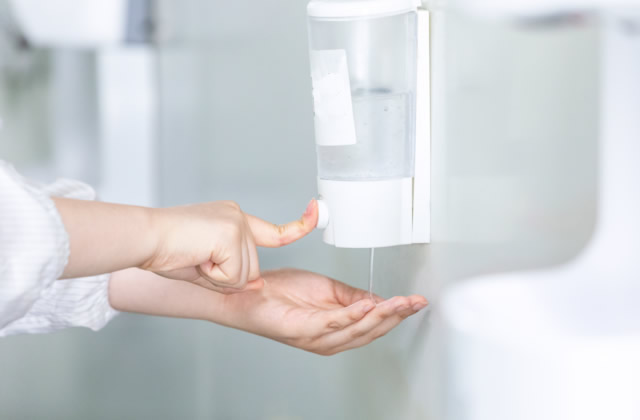
If the hand sanitizer is too thick, it can cause uneven dispensing or block the dispensing nozzle, preventing the dispenser from dispensing hand sanitizer. To remedy this, add an appropriate amount of water to the hand sanitizer container to dilute it.
Three. Poor-quality soaping basins
Currently, there are many types of automatic soap dispensers available on the market, and some of them are of poor quality. The quality control for these substandard automatic soap dispensers is often lacking, making it easy for them to malfunction, such as failing to dispense soap. Therefore, when purchasing automatic soap dispensers, it is best to purchase reliable products from reputable brands through official channels to ensure quality.
Four. Excessive internal air
The main way for liquid soap dispensers to dispense liquid soap is by pressing the outlet tube. If there is too much air in the outlet tube, it can be difficult to dispense the liquid soap. You can remove the external pressing tube of the dispenser and then clean up any excess liquid soap. After adding water, press or use the soap dispensing mechanism to remove the air from the outlet tube.
Five. The sensor is malfunctioning.
If the sensor in an automatic soap dispenser fails, the dispenser will no longer be able to detect the presence of a human, resulting in no soap dispensing. In this situation, it is recommended to purchase a new sensor for the soap dispenser. Repairing the sensor is complicated and expensive, so it is more cost-effective to simply replace it.