
One: Do radiators need to be filled with water?
Radiators typically do not require water.
If a radiator is not used for a long time, it is best to fill it with hot water for maintenance. When draining the water, it is generally impossible to completely drain it, which can cause the remaining water in the radiator pipes to react with air, leading to rust inside the radiator. To completely dry the radiator pipes after draining, it is necessary to spend a large amount of money on drying equipment. Therefore, it is better not to drain the water.
Two. Under what conditions should radiators be filled with water?
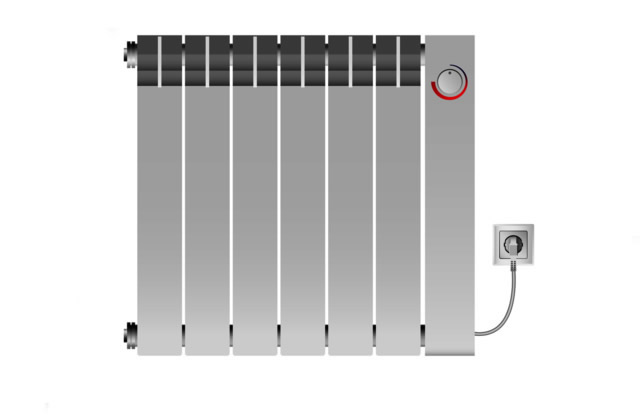
1、Low radiator temperature results in insufficient heating.
This situation is very common in the initial stages of a heating system. High air content in the heating system can impede circulation, and the exhaust effect is often poor. In this case, it is necessary to open the radiators to release the water and remove the air. However, it is important to note that it is not always necessary to drain the radiators when the heating is not working properly. It is also important to identify the root cause of the problem before taking any action.
2、Radiators are not used year-round.
It is essential to drain all water from infrequently used radiators in homes. Firstly, radiators that are not used for extended periods can accumulate significant amounts of stagnant water, which can accelerate corrosion and, in severe cases, lead to leaks and failure. Secondly, during cold winter months, if water remains in unused radiators, it can freeze and expand, potentially causing damage to the heating pipes.
III. How to fill water into radiators
Before releasing water from the radiator, it is necessary to close the main valve and then turn the switch to a position perpendicular to the radiator pipe. This prevents the release of water from the return pipe during the water release process. It is essential to have an experienced person perform this operation, as the water inside the radiator has a certain temperature.
Close all valves. only one valve should be open at a time. once this step is complete, connect a water pipe to the vent valve and place the other end in a basin. Then, open the drain valve, and the water will flow into the basin. When the bubbles decrease, it indicates that the water on one side is complete. Then, open the other drain valve and repeat the process until all the water and air are drained.