
One. Why do radiators sometimes develop a "sand eye" phenomenon?
"Sand eyes" on radiators refer to the appearance of holes or cracks in radiators during use. The causes include:
1、The manufacturer's technical expertise is lacking, resulting in unqualified heating pipe quality, leading to expansion and contraction issues during use, which cause problems such as sand holes, cracking, and leakage.
2. Improper installation of radiators, failure to properly seal valves and joints, or issues with connecting pipes can lead to water leakage.
3. Due to prolonged use and improper maintenance during application, sand or debris has accumulated inside the pipes.
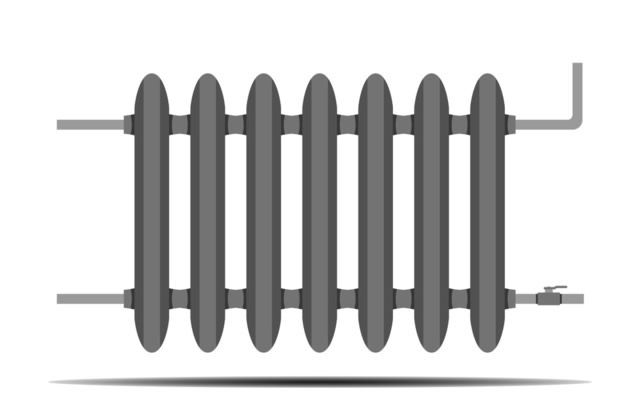
Two. How to handle water leakage from radiators due to sand accumulation.
1、First, locate the areas with existing cracks and sand holes. When the radiator leaks, you can see the water stains on the floor, which indicates the location of the leak.
2. Identify the location of the leak, mark it clearly, and then shut off the water supply.
3. After water stoppage, use sandpaper to remove loose sand and debris from the outside of the sand holes, then use a file or a roughing grinder to roughen the pores and sand holes as much as possible, and clean thoroughly with a cleaning agent, then dry with a hot air blower. Maintain the clean and dry surface for bonding.
4、After the radiators are completely dry, remove the casting adhesive. Use a push rod to push the adhesive out of the pipes. When mixing, ensure the adhesive is thoroughly mixed and evenly colored. The mixed adhesive should be used within 20 minutes.
5. Apply the casting adhesive evenly to the surface of the cracks and sand, and allow it to cure naturally.
6. After the colloidal material is completely cured, sandblasting can be performed, which will improve the surface finish.
7. To enhance sealing and leak-proofing, the adhesive can be heated and filled in using a hot air blower.