
One, the lifespan of radiators is generally how long?
The lifespan of radiators typically ranges from 10 to 30 years. The main factors that affect the lifespan of radiators include:
1、Poor water quality
Water quality is a crucial factor affecting the lifespan of radiators. In some regions of China, the water pH level is acidic, which necessitates avoiding the use of low-carbon steel radiators. Otherwise, after prolonged use, the internal pipes of the radiators will accumulate a significant amount of scale, and they are also prone to corrosion, leading to premature failure.
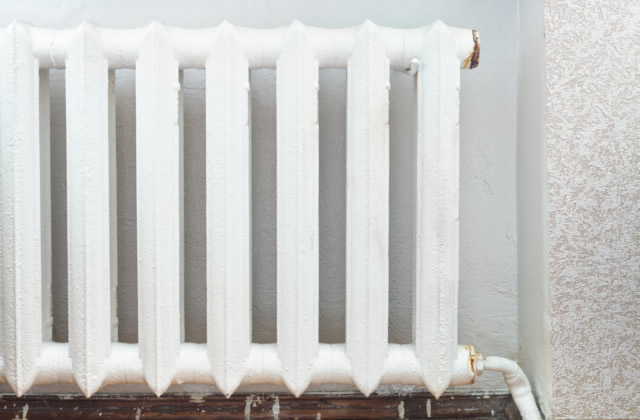
2、Installation is not properly executed.
The lifespan of radiators is also determined by the qualifications, experience, and technical expertise of the installation team. Some unprofessional contractors not only have non-standard construction techniques but also engage in cost-cutting and neglect proper testing, which can lead to water leakage and component failure issues once the radiators are in operation.
Two. Should radiators that have been in use for ten years be replaced?
The decision ultimately depends on the specific performance of the radiators. If the radiators provide adequate heating, there may be no need for replacement. Here's how to determine if a radiator needs to be replaced:Radiators should be replaced if they exhibit any of the following conditions:
1、Radiator temperature drop
The radiator was inspected and found to be in good condition, but it remained warm to the touch, not providing adequate heat. In such cases, it is advisable to replace the radiator. Radiators are consumable items, and homeowners should properly maintain them during their use. Without proper maintenance, the radiator's heat dissipation performance will inevitably decline over several years.
2、Old radiators consume a lot of energy.
Not only electronic products, but also the replacement of radiators is happening rapidly. The replacement of radiators not only enhances their aesthetic appeal, making them more suitable for modern home renovations, but also improves their environmental friendliness, energy efficiency, and thermal performance, as well as corrosion resistance.
3、Radiator leaks
Although radiator leaks are a common issue, there are many different causes and solutions. If your radiator frequently leaks despite repeated repairs, it may indicate a problem with the radiator itself, and you should consider replacing it.