
One. How to use the heating system
1、Power supply usage
The heater must be connected to a qualified, three-hole socket with a ground wire, otherwise there is a risk of electric shock. Due to the high power of the heater, it is recommended not to use it simultaneously with other high-power appliances in the home, as this may cause damage. Additionally, the socket should not be located above the heater to prevent heat from rising and damaging the power supply. When the room is unoccupied, the heater's power must be switched off.
2、Installation and placement
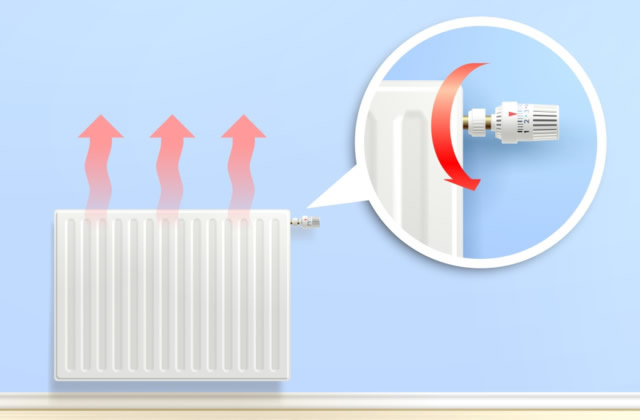
Regarding installation and placement, the heater should be located in a safe area, away from flammable materials, and with a minimum clearance of 20 cm from the wall behind. When installing a heater in a bathroom, extra caution is required. While some heaters have waterproofing features, using an electrical outlet inside the bathroom still presents a safety hazard. It is best to install the electrical outlet outside the bathroom, and ensure that the heater's power cord is protected with insulating rubber and that the connection between the cord and the heater is 100% waterproof.
3. Do not place any items on top of the heating system.
When the heating system is operating, the surface temperature is relatively high. If objects are placed on top, heat cannot be dissipated properly, which could lead to overheating and potential damage. This presents a safety hazard.
4、Relocation of heating systems
To move the heating appliance regularly, please ensure that it is turned off, unplugged, and then gently push the body to allow the four rollers to roll smoothly.
II. Safety Precautions for Using Heating Systems
1、Place in a well-ventilated area.
When using a heater in the living room, it is best to place it in a location with good air circulation, while also ensuring that it is out of reach of children. This will provide warmth, save energy, and ensure safety.
2. Do not direct airflow towards the body.
During the autumn and winter months, the weather is dry and cold, causing the skin to lose its natural oils and moisture, leading to reduced hydration. Furthermore, the use of heating appliances creates a drier indoor environment, making the skin more prone to cracking and itching. Therefore, avoid directing heating appliances towards your body.
3. It is best to avoid using in bathrooms.
Although the heating system's switch has a waterproof plastic cover, it only protects against water but not moisture, therefore, it can also pose a risk when used in bathrooms. It is therefore recommended not to use it in bathrooms.