
What are the differences between radiators and underfloor heating systems?
1- Different appearances
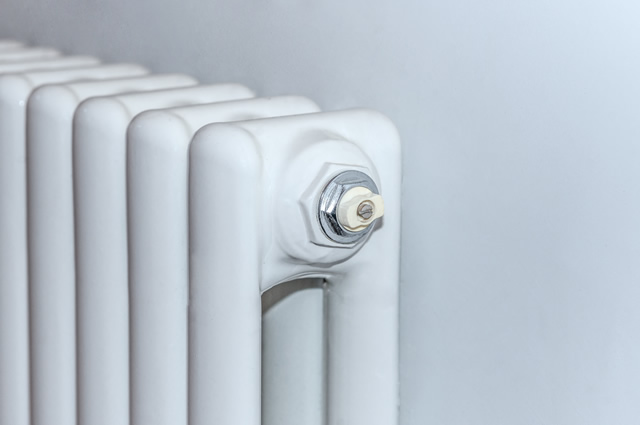
Radiators are typically mounted on walls, with a single panel width of approximately a few centimeters, while underfloor heating systems are installed beneath the floor, with a thickness of 5~6 centimeters.
2- Different heat dissipation
Radiant heating systems heat quickly and can be turned on and off as needed, while underfloor heating systems radiate heat slowly and require a longer heating time.
3、Installation of different
Radiators can be installed in various locations and are highly adaptable, while underfloor heating installation must be carried out as part of the floor construction.
4- Different costs
Underfloor heating systems are a type of flooring installation, and the materials required for these systems are generally more expensive than those for traditional radiators. Furthermore, variations in brand and quality can significantly increase the overall installation cost.
5Clean different surfaces
Underfloor heating systems are typically installed on walls, so regular cleaning and maintenance are required. Unlike exposed underfloor heating systems, these do not require special attention to hygiene.
6- Different installation processes
Radiators are mounted on the wall, while underfloor heating systems are installed beneath the floor.
7The results vary depending on the material used.
When comparing the two, radiant heating systems heat up faster. If the indoor space is not insulated, it can typically reach the desired temperature within approximately 30 minutes. In contrast, underfloor heating systems require a longer heating time, typically several hours.
8- Different stability
While underfloor heating has a slower heating rate, its stability is better than that of radiators.
9、Different heat transfer mechanisms
- Radiant heating systems transfer heat downwards, while radiator systems distribute heat outwards.
10- Different levels of comfort
Under floor heating provides more even heat distribution, resulting in a more comfortable experience. In contrast, radiators provide uneven heat distribution, leading to a less comfortable experience compared to under floor heating.
Which is better, underfloor heating or radiators?
One.Radiators
1- Fast heating
For professionals and young adults living in smaller apartments, radiator heaters offer the advantage of quick heating. High-quality radiator heaters can heat an entire apartment in just a few minutes, providing instant warmth without the need for long waiting periods. This makes them ideal for busy professionals and young people with fast-paced lifestyles.
2- Easy to install
For busy professionals, installing radiators is relatively simple and doesn't require specific requirements for the flooring material, minimizing disruption to the existing flooring. This significantly reduces the installation time, eliminating the need for extensive time investment. Furthermore, maintenance and repairs can be easily carried out by simply removing and replacing the radiators.
3- High practicality
Radiators are relatively inexpensive, and their associated wall-mounted boiler can also provide hot water for household use, saving money on the purchase of separate water heaters. Furthermore, radiators can be used for both heating and drying clothes, making them a versatile and practical choice.
II. Underfloor Heating
1- High comfort level
"Warm from the feet up" promotes healthy living, aligning with the human body's "warm feet, cool head" principle. The room temperature is evenly distributed, making it particularly suitable for families with elderly individuals and children. Even in large homes, it is possible to achieve uniform temperature throughout all rooms and corners.
2- High energy efficiency
Underfloor heating experiences minimal heat loss during transportation, particularly for large homes with extensive heating areas and long heating times. Consequently, underfloor heating can save approximately 30% of energy compared to conventional radiators when operating for the same duration.
3- Long service life
The service life of underfloor heating systems can last up to 50 years, effectively matching the lifespan of the building itself, while the lifespan of radiators is typically 10 to 15 years.