
One, can the grout be applied with water?
1、Ordinary joint fillers are not suitable: Joint fillers are an essential material for modern home renovations. However, most joint fillers currently use epoxy systems, which are highly sensitive to water molecules. If water is present during joint filler application, the filler may appear cloudy or even discolor, and in severe cases, it may not cure properly. Therefore, it is essential to check the dryness of the tile joints before applying joint filler.
2、Moisture-resistant grout can: If, after inspection, it is found that there is water in the tile joints, and this is due to the installer using water, rather than a leaking water pipe, then it is still possible to apply grout at this time. However, ordinary grout cannot be used; instead, a moisture-resistant grout specifically designed for application in humid tile joints must be used. This grout has moisture-resistant properties and can be applied in humid tile joint environments. Furthermore, the quality of the grout application must be ensured.
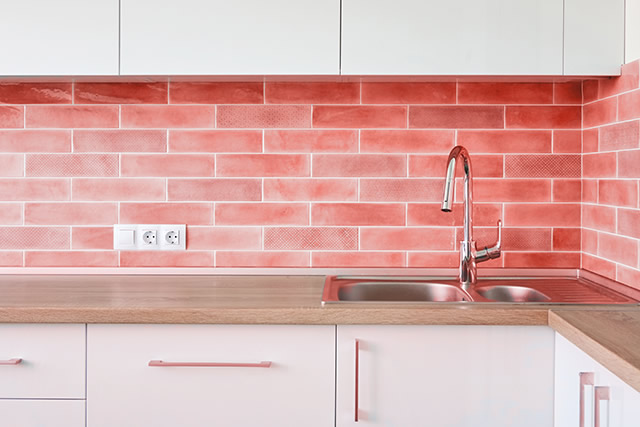
II.Moisture-resistant joint sealant application instructions.
When using moisture-resistant grout, it is possible to apply it to wet tile joints. However, it is essential to thoroughly clean any remaining cement mortar from the tile joints before application, allowing the moisture-resistant grout to completely fill the gaps. This ensures the quality of the final result. Additionally, when purchasing moisture-resistant grout, it is crucial to choose products from reputable brands. This ensures that the materials themselves are free from defects, enabling precise application and guaranteeing the quality of the final grout work.
III. How to prepare the substrate before applying grout.
1、Water penetration of the substrate.
Inspect the surrounding environment to identify the source of water leakage, whether it's from a leaking pipe or residual water from cleaning. If it's due to a leaking pipe, re-repair and re-test the brick joint for dryness. If it's due to cleaning, wait for the grout to dry before cleaning. If you need to perform grouting urgently, use air conditioning, underfloor heating, a dehumidifier, or a hairdryer to dry the substrate, ensuring it is completely dry before applying the grout.
2、Environmental factors
If you encounter conditions such as rainy weather, returning humidity, or significant temperature differences between indoors and outdoors, which lead to moisture in the interior, you can first close doors and windows and wait for the weather to improve before proceeding with the jointing. Alternatively, you can use air conditioning, underfloor heating, a dehumidifier, or a hair dryer to dry the substrate thoroughly before performing the jointing.
IV. Requirements for applying tile grout
1、After tile laying, it is generally recommended to wait approximately one week, or about seven days, before applying the joint compound. This is a mandatory condition for tile jointing and must be adhered to.
2. The recommended ambient temperature for application is 5-35℃. If the temperature is below 5℃, the grout must be preheated before application.
3. No loose debris, dust, or oil stains are present in the grout lines.
4、Use the provided mixing nozzle and a dedicated caulking gun. Each time the nozzle is changed, apply 30cm of material and discard it.
5. Any remaining residue on the tile surface must be cleaned up within 8-24 hours after applying the grout.
6. At a constant temperature of 25 degrees, the mixed joint compound can be applied within 20 minutes, after which it gradually hardens and becomes unusable.
7. To achieve the best results, proper maintenance for 7 days is required, during which it should be protected from contact with acids and strong detergents. Implement measures to prevent dust and dirt accumulation.
8. The setting time of the product varies depending on the environment. Under normal conditions, the adhesive will initially set within approximately 8 hours, and complete hardening requires 48 hours.
9. The product should not be in prolonged contact with acidic or alkaline substances after curing.
10. Due to the properties of epoxy resin, it is not recommended to use this product outdoors or in areas with prolonged exposure to ultraviolet light.
11、Self-leveling grout can withstand temperatures up to 200°C, but should not be directly exposed to open flames to prevent fire hazards.