
How long does it take for stone adhesive to achieve a secure bond?
1、The setting time of stone adhesive depends on the following factors: external temperature (ideally around 25 degrees Celsius); humidity (higher humidity facilitates faster setting); and the thickness of the adhesive (thinner layers set more quickly). For typical joint applications, in summer, complete setting can occur within 2 days.
2、Add an appropriate hardening agent to the stone adhesive. It can solidify and dry within 30 minutes, and adding more hardening agent will speed up the process. However, be careful not to add too much, as it may dry before it has fully solidified.
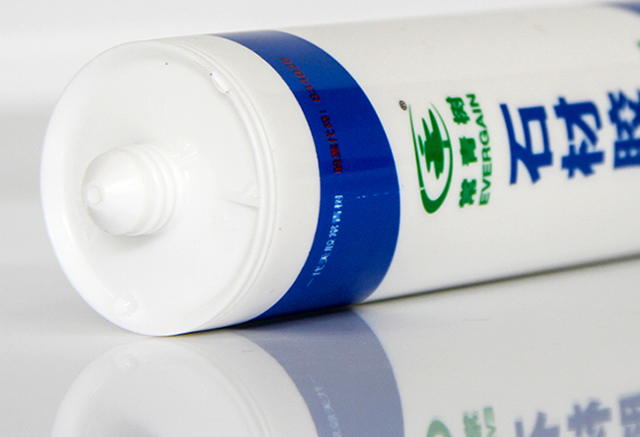
Stone adhesiveCommon Construction Techniques and Parameters
1、The specific amount of putty powder required per square meter varies depending on the project conditions. The setting time (minutes) should be ≥10.
2. Use a 3x3mm notched trowel with an application rate of approximately 1.5~1.8 kg/m2. The setting time (minutes) should be ≥5.
3. Use a 6x6mm notched trowel with approximately 2.8~3.0 kg/m2, achieving a dry time of approximately 2 hours. The product should be in a uniform, white powdery state.
4. Use 10x10mm toothed scraper with an application rate of approximately 4.0~4.5 kg/m2, with a shrinkage rate of ≤0.50%.
The recommended usage amounts are based on a level substrate. The standard shear strength should be ≥1.0 MPa.
Instructions for use of stone adhesive
1、Scope of Application: Primarily used for adhering large cultural stones, artificial stones, and absorbent stones to interior and exterior walls, including repairing and joining/bonding/compounding stone surfaces, such as repairing cracks and seams.
2. Surface Requirements: The substrate should be clean, dry, and free of oil, grease, and other loose materials. It should also have sufficient surface strength and basic flatness and verticality.