
One, is it better to use wax or raw lacquer for red wood furniture?
"Traditional methods of applying raw lacquer and wax are widely used and have no inherent advantages or disadvantages. If you prefer the environmentally friendly properties of raw lacquer, choose raw lacquer. If you prefer the natural, wood-toned appearance of wax, choose wax. There is no need to be constrained by the "South lacquer, North wax" concept. Whether you choose raw lacquer or wax, the purpose is to protect furniture from moisture and oxidation. When purchasing, you can freely choose based on your actual needs.
Two. Differences between raw lacquer and wax coating on rosewood furniture.
1、Raw lacquer process
Natural shellac, commonly known as "earth lacquer" or "national lacquer," is a natural, white liquid coating derived from lacquer trees. Upon exposure to air, it gradually turns brown and hardens within approximately 4 hours, forming a film. Natural shellac liquid primarily contains high-molecular-weight phenolics, enzymes, resins, and water. It possesses excellent properties, including corrosion resistance, abrasion resistance, acid resistance, solvent resistance, heat resistance, water resistance, insulation, and a glossy finish. Natural shellac is a natural and environmentally friendly coating and a high-quality coating.
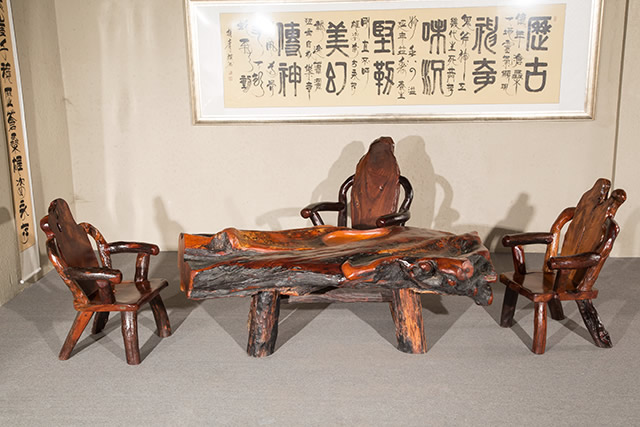
The application of lacquer on rosewood furniture not only provides protection against corrosion and moisture but is also particularly suitable for beautification and processing. The history of using lacquer on furniture dates back to ancient times, making it a primary decorative method for Chinese furniture. From the Shang and Zhou dynasties to the Northern and Southern dynasties, lacquer wood furniture was the dominant style. Items such as lacquer boxes, tables, and chests from the Shang and Zhou dynasties were particularly exquisite.
Advantages of using shellac:
① Safe and Environmentally Friendly. Raw lacquer is a natural, white liquid coating derived from lacquer trees. It is composed entirely of plant-based materials and contains no chemical substances, resulting in a non-offensive odor and safe use, without harming the human body.
② Excellent transparency. It has a strong affinity with wood, allowing it to penetrate deep into the wood, accurately reproducing the wood's grain and pores, and effectively preserving the natural red wood color and patterns, thereby enhancing its aesthetic value.
③ Excellent color durability. The fresh paint film is bright and has excellent gloss retention, resulting in long-lasting, non-fading colors that are well-matched with wood. Over time, the base coat color becomes more prominent and can be clearly seen, becoming brighter with continued use.
④Moisture and crack prevention. The oil-based coating process offers corrosion resistance, acid and alkali resistance, moisture insulation, high-temperature resistance, and resistance to soil, which helps to preserve wood and prevent cracking by locking in moisture.
⑤ Long service life.
2、 Waxing process
"The hot wax application typically uses beeswax. Beeswax (also known as yellow wax or honey wax) is a fatty substance produced by the four pairs of wax glands in the abdomen of worker bees. The wax blocks are placed in a metal container and heated to melt into a wax liquid, which is then brushed or poured onto the wood using a brush or spoon. The wax layer is then ironed onto the wood to allow the wax liquid to penetrate the wood grain. After the entire wax application is complete, the furniture selection and sanding specifications for the hot wax process are very high. Furniture with defects will not have such a good appearance. After removing the excess wax, the wood is thoroughly polished with a clean cloth, and the hot wax application is complete."
The purpose of applying wax is to fill the pores in wood, creating a sealed protective layer on the wood surface to maintain relative moisture stability and prevent significant expansion and contraction of the wood due to external humidity changes. The wax applied to the wood can reduce wood expansion, increase the hardness of furniture, and prevent furniture from warping and deformation. It can also improve the abrasion resistance of furniture, preventing excessive wear on the edges and corners of red wood furniture, maintaining their aesthetic appearance. Additionally, it can reduce the intrusion of insects and protect and moisturize the wood, extending the lifespan of furniture.
Advantages of the wax coating process:
① To better highlight the beautiful texture and color of the wood, while preserving the unique luster and aroma of the original wood. The furniture surface, treated with wax, is smooth and shiny, with the wood grain transparent and shimmering, showcasing the beauty of the red wood furniture.
② After waxing, furniture will develop a protective coating over time, becoming increasingly smooth and enhancing its texture with age.
③ Protects wooden furniture from corrosion, acid and alkali resistance, high temperature resistance, fire resistance, and also reduces insect and ant infestation, while maintaining and moisturizing the wood, extending the lifespan of the furniture.
④ The wax treatment process, which does not damage wood, can isolate red wood furniture from air, preventing it from exchanging with moisture in the air, thereby increasing the hardness of the furniture and preventing warping and deformation.
In summary, the traditional lacquer finishing process for rosewood furniture differs from the waxing process, and neither is inherently superior. The choice ultimately depends on individual preferences.