
One. Materials and techniques for traditional Chinese furniture
1、Slowly drying wood:
Prior to manufacturing furniture, the wood must be thoroughly dried. High-quality wood is typically oily and hard, so during the drying process, a slow and gradual temperature increase is necessary, starting from a low temperature and gradually rising until the desired temperature is reached. This process usually takes one to two months, and some wood types may require even longer.
2、Material Preparation:
Cut the logs into planks or squared lumber for various crafting purposes. The sawing process is a specialized skill, especially for high-end wood, where the goal is to minimize the impact of natural wood defects while maximizing the yield. The cutting should be done to create one or two kerf surfaces that follow the natural grain of the wood.
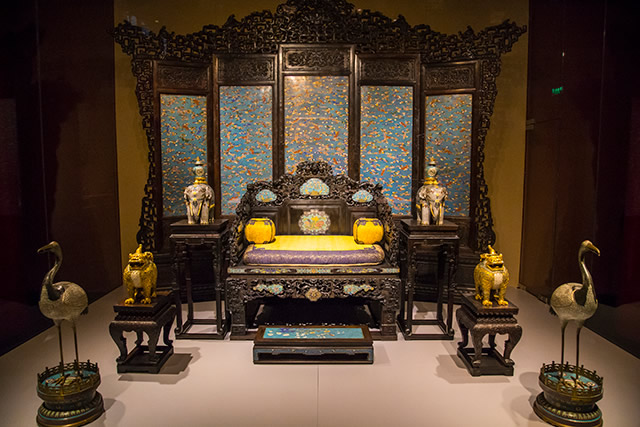
3、Cut curved components using a fret saw.
The saw is a specialized tool for cutting curved components. It offers flexibility and ease of use, and the cutting wire is typically fabricated by technicians. In addition to manual operation, machines are also used for this purpose.
4、Assembly:
Assemble the manufactured components. Components produced in batches may have issues such as looseness, tightness, or gaps during assembly, requiring regular adjustments or repairs to joints.
5、Manual removal of fat:
Traditional furniture adhesives primarily consisted of fish bladder or animal skin fat (which was processed by soaking dried fish bladders in warm water, then repeatedly pounding them into strips). Furniture bonded with fish bladder adhesive has proven to be durable and, if repairs are needed, can be easily reopened by simply soaking in warm water.
6、Carving:
Carving is the process of decorating furniture with patterns. Depending on the desired pattern, carving can be done in forms such as:- Relief carving- Carving with openwork- High relief carving- Shallow relief carving- Flat carving- Sculpting with fine details- Round carvingRelief carving can be further categorized into:- One-sided relief carving- Two-sided relief carvingFlat carving can be further categorized into:- Shadow relief carving- Sun relief carving
7、Cleaning:
After the decorative carving is complete, the substrate surface must be prepared to be perfectly smooth, otherwise it will affect the overall appearance of the pattern.
8、Sanding:
After cleaning, proceed to the grinding workshop to begin the grinding process. Traditionally, this was done with files, but now sandpaper is more commonly used. Typically, the substrate is ground four times, starting with coarser sandpaper and progressing to finer grits. The grinding process is crucial and directly impacts product quality. Improper grinding can damage the workpiece; however, skilled grinding can even compensate for deficiencies in the carvings.
9、Applying wax:
Formulated from various types of waxes, heated to a liquid state, and applied to furniture using a brush.
10、Waxing:
After applying wax, to ensure the furniture fully absorbs the wax liquid, it is necessary to repeatedly heat it with a hot air blower, a process known as "waxing."
11、Apply wax coating:
After applying the wax, allow it to cure for one day and night, ensuring it is fully solidified. Then, scrape off any surface wax residue. After removing all surface wax, repeatedly rub with a coarse and fine cloth to achieve polishing.
Two. What does "Five Virtues" mean for materials used in classical furniture?
1、Durable
The material should be hard, dense, fine-grained, and corrosion-resistant to ensure its longevity. Throughout history, Chinese people have uniquely chosen hardwood, such as redwood, for furniture. This is believed to be due to the fact that China was a leader in metalworking technology during the Ming Dynasty. The development of metalworking technology and the invention of woodworking chisels provided a material foundation for upgrading classical furniture. Furthermore, the development of maritime technology, combined with the opening of China's seas during the Ming Dynasty and Zheng He's voyages to Southeast Asia and India, facilitated trade with other countries. This resulted in a large influx of hardwood into China, providing excellent materials and tools for the production of classical redwood furniture. Most importantly, this was driven by the Chinese people's inherent desire to create enduring heirlooms. Therefore, classical Chinese redwood furniture was born.
2、Texme
For example, wood grain varies greatly and is beautiful like a painting. The natural textures of traditional classical furniture, such as "huang hua li," are also stunningly beautiful. Since hardwood furniture replaced lacquer furniture as the main furniture in the Ming Dynasty, the natural texture of "huang hua li" was fully showcased. Like "huang hua li," the texture of "gui lian," "lu ban," mountain, water, tiger skin, silk, sesame, and grape patterns are all incredibly diverse. Ming Dynasty craftsmen used simple and clear, unadorned artistic techniques to express these, which contributed to the unique characteristic of Ming Dynasty light furniture, which emphasizes naturalness and harmony with nature, reaching the pinnacle of world furniture culture.
3、Vibrant color
For example, the color of high-quality and exquisite wood, such as Yao Huang Wei Zi (yellow flower rosewood), ranges from rich colors like golden yellow, ochre yellow, reddish-brown to purple black. Similarly, the color of Huanghua Li (golden flower rosewood) is rich and varied, ranging from golden, ochre, reddish-brown to purple black. The color of Zi Tan (purple wood) is elegant and sophisticated, with vibrant red, deep and restrained, dazzling, and the color of Da Hong Suan Zhi (red osmanthus wood) is rich and festive.
4、Aroma
"Old rosewood" possesses a unique and elegant fragrance, similar to that of Huanghua pear, sandalwood, and rosewood, which is refreshing and promotes longevity. Therefore, furniture made from old rosewood exudes a subtle, lingering fragrance. Huanghua pear is also a traditional Chinese medicinal herb with properties that lower blood pressure and invigorate the mind. Scented sandalwood has been a prized spice since ancient times. Ancient scholars and talented individuals used it to create incense, sachets, or to burn incense while composing poetry or studying, resulting in a sense of clarity and serenity.
5、Moisture resistance
Here are two key characteristics:1. Excellent oil absorption and durable, non-corrosive material with a combination of hardness and flexibility. Materials such as rosewood and golden teak are particularly well-suited for carving, as stated by Master Ma Wude: "Even when carving, the wood fibers can be cut, but the sculpture will not break. This provides a platform for wood carving artists to express their skills and talents (material conditions)." Master woodcarvers from Xianyou and Dongyang skillfully use rosewood and golden teak to carve figures, flowers, birds, and exotic animals, achieving remarkable detail and realism. This is due to the material's natural oiliness, flexibility, and the ability to maintain its shape and luster for centuries without cracking or decaying.2. Crystal-clear and smooth, like pearls and jade. Furniture made from "old rosewood," after being polished and treated, produces a subtle, transparent or semi-transparent fluorescence, resembling silk, amber, or jade. The surface is smooth and polished, requiring no further finish, and provides a delicate, smooth touch, similar to baby skin. After handling, the surface develops a natural sheen, making it both beautiful and charming.