
How to restore antique furniture
One、Preserved Furniture
Preserving the original appearance involves removing any new paint or finish from the bleached areas, while leaving other old paint and decorative elements untouched. The goal is to maintain the characteristic aged appearance.
Manufacturing Process: Select Furniture – Open – Mix Materials – Assemble Panels – Test Fit – Final Assembly
1、 Select furniture: Assess the extent of mold and mildew, and determine if the furniture is salvageable before attempting repairs.
2. Removal: After inspecting the structure, carefully disassemble it. When removing, generally follow the reverse order of assembly, while minimizing damage to the original paint. Avoid using a scraper if possible.
3. Mixing: Carefully assess the type, extent of damage, and location of the wood on the furniture. If patching is necessary, use wood of the same type, color, and grain, and choose materials that are lighter in color.
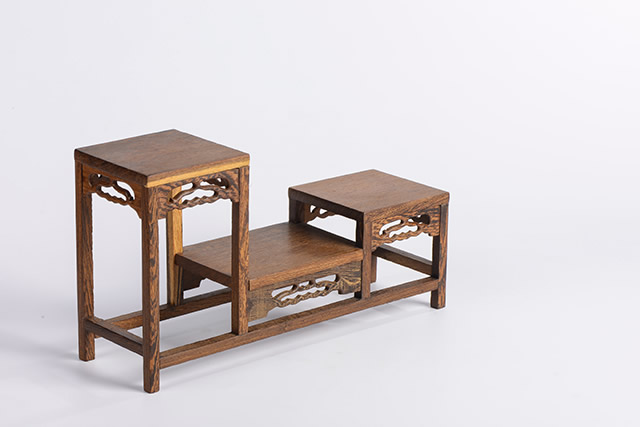
4、Panel Assembly: When assembling panels, the panel surface and side surfaces should form a 90-degree angle. The glued joints must undergo pressure and a specific temperature treatment. Typically, the panels are held in place with clamps for 4-8 hours, then removed and allowed to rest for 24-48 hours. The assembled panel should be seamless, straight, and free of any glue, cracks, or printing.
5. Initial Assembly: Assemble the parts after finishing. To avoid adding new materials to the furniture, it is possible to reduce the size of the frame according to the dimensions of the side panels and doors. Requirements: Maintain the original appearance and ensure the tight and reasonable structure of all components and the frame.
6. Assembly: Assemble according to the original furniture structure, ensuring tight joint connections, straight edges, and smooth surfaces. The four legs should be properly positioned.
- Door gaps between doors and between doors and frames should be uniform and not exceed 5mm.- Drawer switches should operate smoothly, and the gaps around the drawer should not exceed 3mm.- The back should be reinforced with upright supports, and the bottom should have a removable base with a strap to ensure the durability of the furniture.
For chairs, repairs should be made according to the extent of damage, and the repair should follow the original mortise-and-tenon structure. For tables, the joints must be tight, and reinforcing straps should be applied.
II. Restoration of Antique Furniture
Production Process: Opening – Material Selection – Mixing – Sanding – Panel Assembly – Mock-up – Assembly
1、Open: Carefully inspect the structure and gently disassemble, while preserving the integrity of the entire furniture piece as much as possible.
2、Material Selection: only use seasoned wood of the same species. If this is not possible, wood with similar grain patterns must be used.
3. Mixing: based on processing requirements and the load-bearing capacity of each part of each piece of furniture, mix the materials according to the specified ratio. The resulting mixture should be free of cracks, voids, and signs of decay.
4. Grinding: The surface of furniture paint can be directly ground with a corner grinder. For thick varnish surfaces, the varnish should be baked and then ground; for thin layers of paint, the material can be directly transferred to a scraping workshop, where a scraper is used to process and grind the surface. The grinding requirements are that all components should be ground to a uniform finish, without leaving any dead spots, paint residue, oil stains, or unevenness.
5、Panel Assembly: Complete and usable boards, clean the edges with a steel brush, apply adhesive, and then assemble. For bent boards: Apply water to all four sides of the bent material, bake the raised side with a low flame until it is fully dry. Then, place the concave side down in a straightening jig, fixing one end and using a wooden stick to press down on the other end. After a period of time, the board will straighten out (do not overheat the wood, and do not apply excessive force, which could break the wood). The assembled boards should be secured with clamps and maintained at room temperature for 4-8 hours.
6、Installation: Install according to the installation requirements for existing furniture.
7. Assembly: Assembly requires special putty powder, following the original structure. The joint between the components should be tight, and the diagonals of the frame structures should be symmetrical. The entire furniture piece should be free of any putty powder, and the four legs should be aligned.
Three. Leave-behind furniture
Removing the old paint layer preserves the natural wood grain and finish, creating a simple treatment that retains the original color and texture of the antique furniture. After applying a new coat of paint, the "peeled" surface remains, maintaining the classic appearance of the furniture.