
One, materials for making water softener resin
Softening resins are primarily categorized into: large-pore resins, ion exchange resins, cationic exchange resins, and anionic exchange resins. These resins are typically used in the process of converting hard water into soft water through ion exchange technology, which reduces the hardness of the water. Softening resins are commonly made from vinyl resins, and commonly used household water softeners utilize both vinyl resins and meta-phenylene resins.
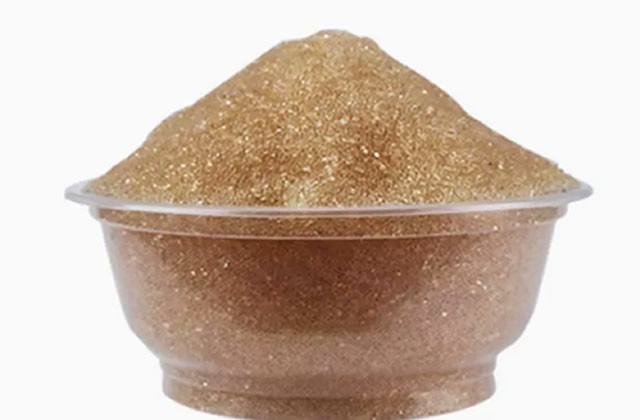
Soft water resin can effectively prevent the formation of scale in tap water, allowing for the removal of calcium and magnesium ions from hard water. By utilizing the small pores of the resin to filter and adsorb hard ions, the hardness of the untreated water is significantly reduced.
It can be said that soft water-based resin has excellent heat resistance, long service life, and the ability to be absorbed and reused, which are its advantages. These characteristics have led to its widespread application in various industries, including metallurgy, petrochemicals, power generation, pharmaceuticals, and papermaking, and it is highly regarded.
Two. Why do soft water resin no longer form?
1. Please carefully inspect the insurance, plug, socket, cable, and switch. If the power supply has been interrupted, the water softening equipment may become unusable.
2. Damage to the timer or malfunctioning equipment will prevent the softening water equipment from regenerating.
3. If water enters the control panel or if there is leakage from the valve during installation, this can cause a short circuit between the motor and the main board, preventing the controller from effectively controlling the motor rotation, which in turn prevents the softening equipment from regenerating.
4. This may also cause softening water equipment to malfunction and fail to regenerate due to inappropriate regeneration time settings, resulting in a loss of purification capacity.