
One. What is the cause of fabric peeling off?
Generally, wall coverings do not shed fibers. If you notice shedding, first check if the wall covering is a certified product. If the wall covering is certified, the shedding may be due to the edges of the wall covering.
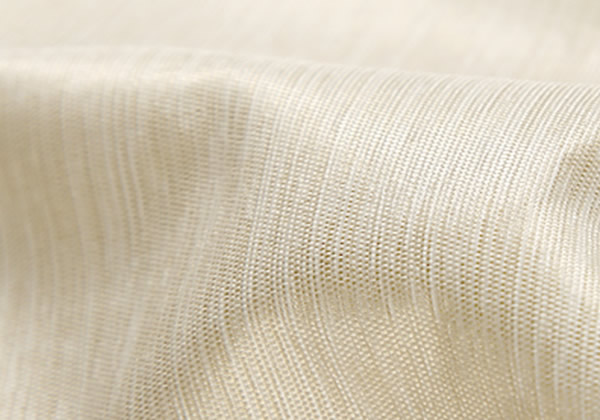
The raised edges on wall fabrics are a normal phenomenon. Wall fabrics are made of materials with a raised weave and embroidery, which results in loose yarn density, making the edges prone to raising, similar to the frayed edges of clothing.
Two. How to handle wall covering shedding fluff.
1、When trimming the edges of wall fabrics, you can use a lighter to burn away the frayed edges. However, when using a lighter, avoid keeping the flame in one spot for too long, as this can easily damage the fabric.
2. The edge of the wall fabric can also be treated with a hot knife. This tool produces a more uniform edge on the wall fabric, but it cannot be used to cut and install the fabric directly, as it may damage the substrate. If the temperature is not properly controlled, it may also leave a black border on the fabric. Additionally, the blades for the hot knife are relatively expensive.
3. The edges of the wall fabric can be trimmed with scissors. When trimming the wall fabric with scissors, ensure that the fabric is cut neatly. Scissors are also relatively inexpensive. However, it is important to purchase sharp scissors and maintain them properly to prevent rust, which would render them unusable.
4. The raised edge of the wallpaper can be trimmed using a U-shaped knife. This tool is relatively inexpensive, compact, and easy to carry. However, it cannot be used for large-scale cutting. If you do not cut the wallpaper properly the first time, you can simply re-cut it in the same place without pulling or stretching the wallpaper.
5. If you are not confident in handling the work yourself, it is recommended to hire professional personnel to assist, which is a more reliable approach.