
One, should the countertop be installed first or the cabinet doors?
First install the countertop, then install the cabinet doors.
Currently, most kitchen countertops are made of artificial stone or natural stone. Stone countertops are typically composed of multiple pieces of stone bonded together. The bonding time, amount of adhesive used, and degree of finishing all affect the countertop's appearance. When bonding, it is essential to use professional adhesive and employ a grinding machine for polishing. Furthermore, some kitchen cabinet manufacturers may install countertops after the base cabinets and upper cabinets have been installed, often with a measurement process in between.
To ensure uniform and perpendicular gaps between cabinet doors and the frame, it is generally recommended to install the cabinet doors last. This allows for easier adjustments and minimizes the risk of affecting other components.
II. Instructions for the Correct Order of Cabinet Installation
Generally, the installation sequence for cabinets is: base cabinets - wall cabinets - countertop - faucet and sink - stove and appliances - cabinet doors.
1、Installation of the base cabinet. Before installing the base cabinet, the worker should clean the kitchen floor to ensure accurate measurement of the floor's level.
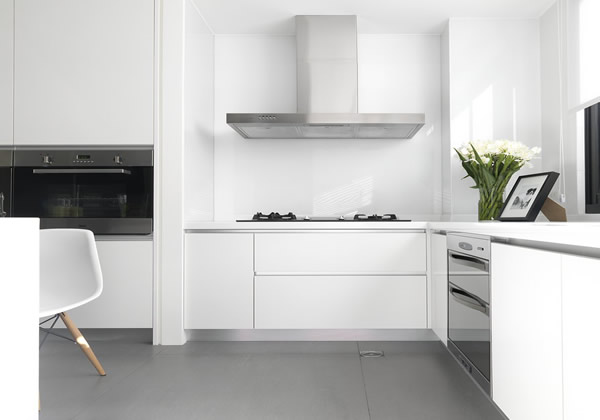
2. Installation of Cabinets. To ensure the horizontal alignment of expansion bolts, a horizontal line should be drawn on the wall. Typically, the distance between the horizontal line and the countertop is 650mm. Consumers can request adjustments to the distance between the countertop and the cabinet based on their own height, to facilitate future use.
3. Countertop Installation. Due to potential discrepancies in the dimensions of the original kitchen cabinet layout after renovation, some kitchen cabinet manufacturers install countertops after the installation of both the base and upper cabinets. This allows designers to adjust for potential countertop discrepancies that may arise after the installation of the base and upper cabinets, ensuring the accuracy of the kitchen cabinet installation data.
4. Installation of hardware. The sink, faucet, and pull-out basket are also key components of kitchen cabinets. When installing hanging cabinets and countertops, to prevent wood shavings from falling into the basket's track, cover the basket with a protective cover to avoid affecting future use.
5. Installation of kitchen appliances. The installation of embedded kitchen appliances in kitchen cabinets requires only drilling a power outlet. However, the outlet should not be too small, as this may make future repairs and disassembly difficult.
6. Adjust cabinet doors to ensure uniform gaps and proper alignment, with typical cabinet depth for base cabinets being 550mm and for hanging cabinets being 300mm. Consumers can also adjust according to their specific needs. After adjusting the cabinet doors, workers should also clean up any debris left from installing the kitchen cabinets to ensure a clean kitchen for the homeowner.