
One、Metal wallpaper is used in what places
Metal wallpaper is made by laminating printed aluminum foil with a waterproof substrate. This type of wallpaper provides a luxurious and imposing appearance, making it suitable for environments with a strong atmosphere, such as concert halls and hotels. It is generally used in public spaces like these, and can also be used in smaller areas within homes. However, it is not recommended for large-scale applications.
II. How to use metal wallpaper
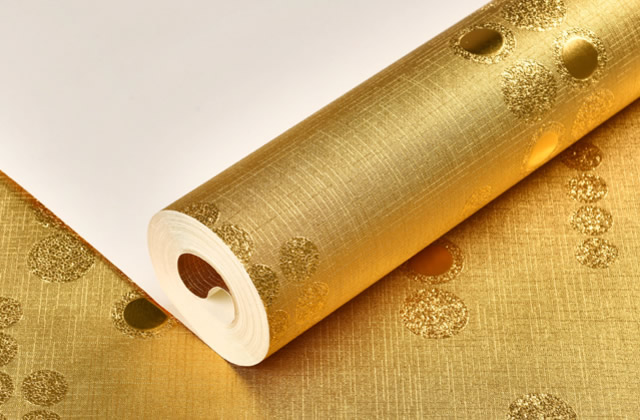
1、Cutting wallpaper
First, measure the height of the wall and cut the metal wallpaper to the appropriate length. There are two types of metal wallpaper: patterned and non-patterned. When cutting patterned wallpaper, consider symmetry, so leave extra length on both ends, typically around 10cm. For non-patterned wallpaper, the cutting is simpler; just leave around 5cm.
2、Apply adhesive solution
Apply the adhesive solution to the back of the cut metal wallpaper using a brush. Applying the adhesive is a crucial step in wallpaper installation. The adhesive solution must be applied evenly and thoroughly, without any gaps or overspray. The edges and corners of the wallpaper must also be completely coated with adhesive. After applying the adhesive, allow the wallpaper to sit for approximately 10 minutes. While waiting, you can continue applying adhesive to other cut pieces of wallpaper. once the adhesive has fully penetrated the metal wallpaper, you can proceed with applying the wallpaper. Be sure to apply the wallpaper in the correct order.
3、Wallpaper application
Here, a plumb bob is used to establish a vertical line. The metal wallpaper should then be applied, starting from the top and working downwards, following this vertical line. It is important to ensure a tight connection between the wall and the baseboard, with no gaps, to ensure the proper application. Finally, a scraper can be used to press the metal wallpaper flat.
4、Edging Cleaning
Cut off excess metal wallpaper at both ends with a wallpaper knife, then wipe away any remaining adhesive with a damp cloth to prevent it from affecting the appearance. During the application of metal wallpaper, bubbles are inevitable. Simply puncture the bubbles with a needle and then smooth the wallpaper out with a scraper.