
I.PE pipeIs it for drainage or water supply?
PE (Polyethylene) pipes can be used for drainage and water supply pipelines, with specific applications depending on the pipe's dimensions, thickness, and additives. PE pipes have wide applications in construction, industrial, and agricultural fields, and can be used for the following purposes:
1、Drainage pipes
PE drainage pipes are commonly used for systems that handle wastewater, rainwater, and industrial effluent. They typically have large diameters to accommodate high-volume drainage requirements.
2、Water supply pipes
PE pipes are suitable for water supply systems, agricultural irrigation, and industrial water systems. PE pipes can be used for underground or above-ground water supply pipelines.
3、Natural gas pipelines
PE pipes can also be used in natural gas distribution systems. In some areas, PE pipes are widely used for transporting natural gas due to their excellent corrosion resistance and resistance to chemical erosion.
4、Chemical delivery
Some specialized types of PE pipes can be used for transporting chemicals because the PE material exhibits good resistance to various chemical substances.
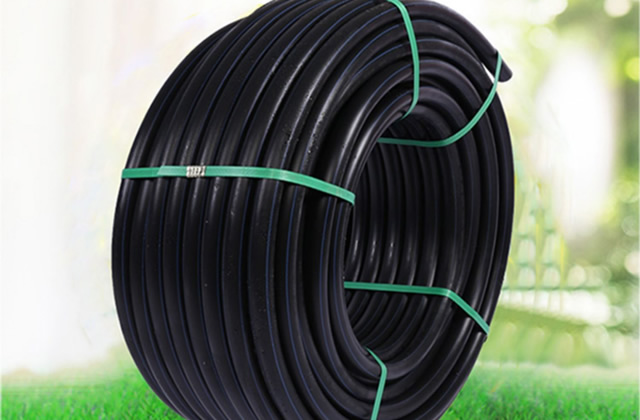
Two, what are the differences between PE drainage pipes and PE water pipes?
PE (Polyethylene) drainage pipes and PE water pipes are two different types of pipes with distinct applications, and the key differences lie in the following aspects:
1、Application areas
PE pipes are used for water supply systems to transport potable water from the water source to residential or commercial buildings. PE pipes typically need to meet certain standards for hygiene and potable water quality.
PE drainage pipes are used in drainage systems, primarily for discharging wastewater, sewage, or rainwater, and for conveying wastewater from buildings or urban areas to wastewater treatment facilities or drainage systems.
2、Pipe Material Requirements
PE water pipes typically need to meet drinking water quality standards, therefore, higher hygiene and quality control standards are required during material selection and manufacturing.
PE drainage pipes do not need to meet such strict hygiene requirements, but they still need to have good chemical resistance to withstand chemicals in sewage and wastewater.
3、Pressure requirements
PE water pipes need to be able to withstand high water pressure, as water supply systems typically need to deliver water to various points within a building.
PE drainage pipes typically only need to withstand certain internal pressures and are not usually exposed to high water pressure.
4、Color identification
Typically, PE water pipes and PE drainage pipes have different colors to distinguish between them. PE water pipes are usually blue or black, while PE drainage pipes are typically black.
5、Dimensions and Specifications
The dimensions and specifications of PE water pipes and PE drainage pipes may vary depending on the region and project requirements. Water pipes typically have a smaller diameter range due to the pressure within the water pipe and the faster flow rate. Drainage pipes typically have a larger diameter, as they rely on gravity for drainage, and a larger diameter is required to meet the flow requirements.
Overall, PE water pipes and PE drainage pipes have different designs and applications, so when selecting PE pipes, it is important to choose the appropriate type based on specific project requirements and local regulations. Ensuring that the pipes meet the required performance and quality standards is crucial, especially when dealing with potable water or drinking water systems.